
Vandaag of morgen in huis

Kwaliteit gegarandeerd

Welkomstaanbiedingen ontgrendelen: GRATIS bezorging | Tot 80% korting | Gratis 30 dagen JoyPlus-proefperiode
Download de app
You often don’t realise you’ve chosen the wrong football boots until you’re halfway through a training session. The sole may not provide enough grip, the boot may feel stiff, or the studs may press uncomfortably against the soles of your feet. When choosing Joma football boots, it’s not just about colour or brand. The playing surface, fit and materials matter most.
In this buying guide, we explain what to look for. You’ll also find practical recommendations for artificial grass, natural grass, indoor football and lacrosse.
AG, FG, TF and IN aren’t arbitrary model codes. They indicate which type of surface the sole is designed for:
An FG sole on artificial grass can feel uncomfortable and cause unnecessary pressure under your foot. Conversely, a TF sole on wet natural grass usually won’t provide the same grip as football boots with longer FG studs.
Terms such as “maximum speed” or “professional control” don’t tell you much without information about the sole, upper and fit. Always check:
When a brand mentions a particular feature or technology, treat it as a claim made by the manufacturer. For example, according to Joma’s own information, certain models are designed to provide grip, cushioning or ball feel. That doesn’t guarantee that every player will have the same experience.
A size 41 can feel different from one model to another. So also check the stated fit, the shape of the toe box and the room around the heel. Ideally, measure your foot at the end of the day, wearing the socks you use for football.
The available range includes football boots in sizes 40.5, 41, 42, 43 and 44.5. Always check the product page for current size availability.
Artificial grass is the standard surface for many Dutch players. If you mainly play on artificial grass, look for Joma football boots for artificial grass, such as the Super Copa 2402 AG or FS Reactive 2402 TF.
Ideally, wear boots on the type of surface they’re designed for. This helps with grip and can limit excessive wear to the sole.
A leather upper can feel supple and mould to your foot. According to the product information, the Joma FS Reactive 2402 TF has a leather upper with textile sections and ventilation perforations. The model also has a rubber toe guard.
Synthetic materials are often easy to clean and can retain their shape well. The Joma Super Copa and Propulsion Cup models have synthetic uppers. With synthetic boots, pay particular attention to flexibility around the forefoot and how the laces hold your foot in place.
A padded collar and lacing system that can be fastened securely can help create a stable feel. Product information for several Joma models mentions features including an EVA or dual-density midsole, a padded insole and a reinforced heel or toe area.
These are verifiable construction features, but they don’t automatically mean that a boot will be comfortable for every foot. Fit is a personal matter.
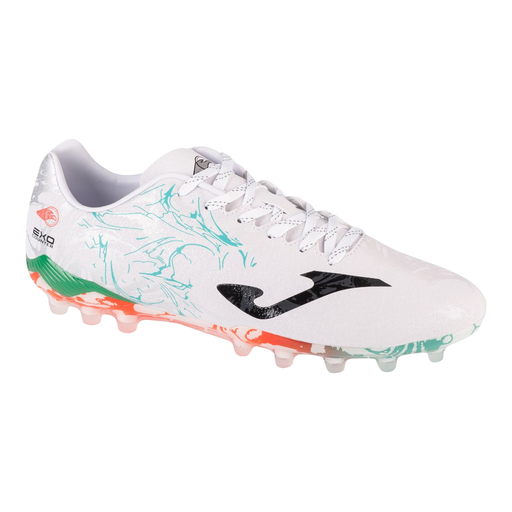
Why it suits this player: This AG model is designed for artificial grass and has a synthetic upper. It’s a straightforward choice for players who train regularly and want a boot without unnecessary extra features.
The AG label makes the recommended playing surface clear, so you won’t accidentally choose an FG model for artificial grass.
AG rubber sole, synthetic upper and size 40.5. According to the product information, this model is designed for artificial grass.
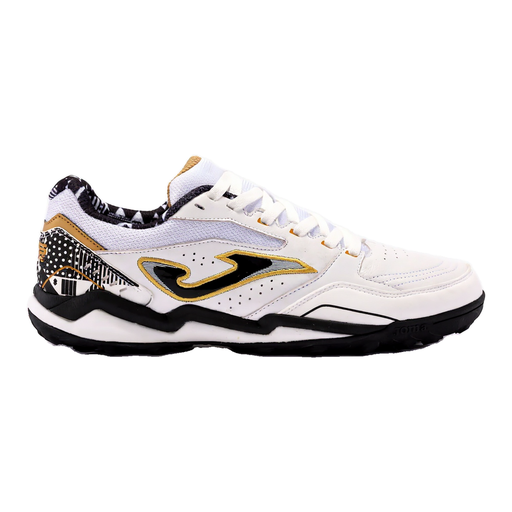
Why it suits this player: This turf model combines a rubber multi-stud sole with a leather upper, ventilation openings and a dual-density midsole. It’s a good fit for players who want to take materials and construction details into account.
The TF specification helps you distinguish it from an FG studded sole, while the reinforced toe is a practical durability feature.
Leather upper, VTS ventilation, rubber multi-stud sole and size 42.5.
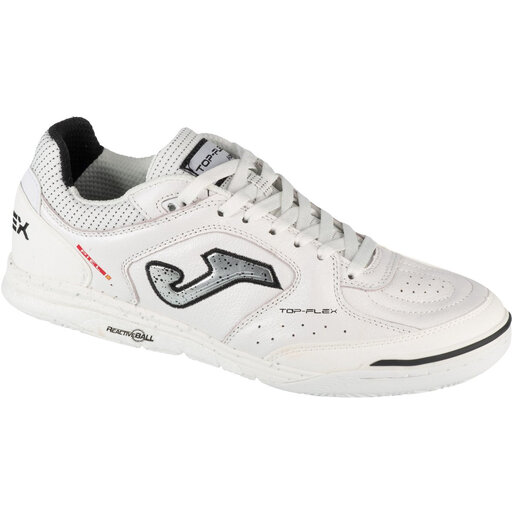
Why it suits this player: This model is made for indoor football and indoor pitches. Its non-marking rubber sole, reinforced toe and EVA insole are suited to quick changes of direction on a sports floor.
The IN label and non-marking sole make it clear that these aren’t outdoor boots with studs.
Flexible indoor construction, EVA insole, reinforced toe and size 40.5.
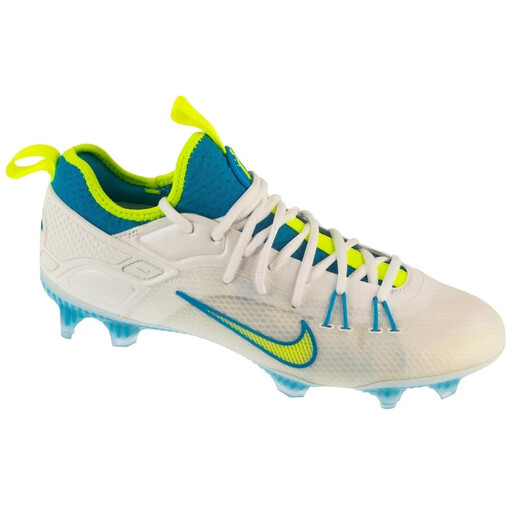
Why it suits this player: These lacrosse boots have an SG sole for soft ground, a low-cut fit and reinforced toe and heel areas. They’re a good match for lacrosse players who play on natural grass.
The SG specification helps you avoid choosing a model for firm ground when you play on soft or muddy pitches.
SG studs, synthetic and mesh upper, cushioned midsole and size 44.5.
If you’re specifically looking for Joma indoor football boots, you could also consider the Joma Top Flex 2502 IN or Top Flex 2531 IN. These models have a non-marking rubber sole, a synthetic and textile upper, and a reinforced toe. They’re available in sizes including 41, 42 and 43.
According to the product description, the Top Flex Rebound uses rebound technology in the midsole. Joma’s own information says this construction is designed to provide responsiveness and energy return. Treat this as a product specification, not a guaranteed performance benefit for every player.
For natural grass, Joma FG football boots, such as the Aguila Cup 2518 FG and Propulsion Cup 2402 FG, are a more suitable choice. The Super Copa 2402 AG, on the other hand, is designed for artificial grass. Always check the sole code and the surface of your regular pitch before buying.
Lifespan depends on how long you play, the surface, the weather and how well you care for your boots. These habits can help you avoid unnecessary wear:
According to the product information, the products listed are covered by the statutory EU guarantee of at least two years. Statutory rights may vary depending on the circumstances and national regulations.
We’ve put together a complete, up-to-date list of products that meet these strict selection criteria and the applicable European safety regulations.
It depends on the sole. Choose a model with AG or TF if you usually play on artificial grass. The Super Copa 2402 AG and FS Reactive 2402 TF are examples from the available range.
Start by measuring your foot length and comparing it with the sizing information on the product page. Also check the stated fit. A football boot should fit securely without your toes pressing against the front.
There’s no set lifespan. Frequent play on the wrong surface, failing to dry your boots properly and dirt caught between the studs can all speed up wear. Choose the right sole for your pitch and clean your boots after use.
