
Vandaag of morgen in huis

Kwaliteit gegarandeerd

Welkomstaanbiedingen ontgrendelen: GRATIS bezorging | Tot 80% korting | Gratis 30 dagen JoyPlus-proefperiode
Download de app
A pair of Joma football boots may be attractively priced, but choosing the right pair depends mainly on your playing surface, foot shape and how often you play. If you focus only on the colour, brand or low price, you could end up with sore feet, not enough grip or worn studs after just a few training sessions.
In this buying guide from the Joybuy Product Recommendation Officer, you’ll find out what to look for in Joma football boots for men and women. The selection below is based on verifiable product information, such as sole type, upper material, fastening and available sizes.
AG, FG and SG aren’t marketing abbreviations you can use interchangeably:
Wearing FG boots on artificial grass can be uncomfortable and put extra wear on the sole. SG football boots aren’t a practical choice for a dry, hard pitch either. So first check where you usually train and play.
Lightweight football boots can feel comfortable when you’re making quick movements, but low weight alone tells you nothing about fit or stability. Also consider:
For example, the Joma Super Copa models list a synthetic upper and a regular fit. The Joma Aguila Cup product description lists a leather upper, while the specification table says synthetic leather. This discrepancy in the listing is a good reason to check the latest product specifications and returns policy before buying.
Football boots should fit snugly, but your toes shouldn’t be pressed against the front. Measure both feet at the end of the day, wearing the socks you use for football. Compare the longer foot with the size chart for your chosen model.
For example, the Joma Super Copa 2402 AG lists foot lengths in millimetres. This is more useful than relying on “size 40” or “size 45” alone, as shoe sizes can vary between brands and models.
Choose the sole to suit the playing surface:
According to their product information, the Joma Super Copa 2401 AG and Joma Super Copa 2402 AG are listed for artificial grass. The Joma Aguila Cup 2518 FG and Joma Propulsion Cup 2402 FG are listed for firm natural grass. The Joma Propulsion Cup 2308 SG has aluminium studs and is designed for soft ground.
Leather football boots can mould to your feet as you wear them, but they generally need more care. Clean them after use, let them dry naturally and don’t leave them damp in a sports bag for long periods.
Synthetic materials are often easy to wipe clean and are listed in the product information for several Super Copa and Propulsion Cup models. Terms such as “durable”, “comfortable” or “flexible” are product claims, so consider them alongside the specific information about the material, lining and fit.
Traditional laces let you adjust the pressure across the instep. A regular fit isn’t the same as a wide fit. If you have a wide forefoot, pay attention to the shape of the toe box and check whether the size information includes a foot length or width.
Always wear football boots with football socks and try them on briefly before playing a full match. This will help you spot whether your heel slips or the forefoot feels too tight.
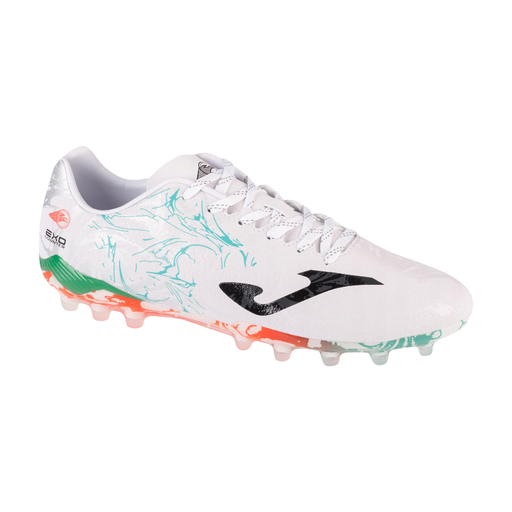
Why it suits this profile: This FG model is aimed at players who mainly train or play matches on firm natural grass and want a synthetic upper that’s easy to care for.
The FG label makes the intended playing surface clearer than a general term such as “studded football boots”. Do check that your pitch is actually firm natural grass.
The product information lists a synthetic leather upper, polyurethane foam in the insole and an Exo Counter for heel stability.
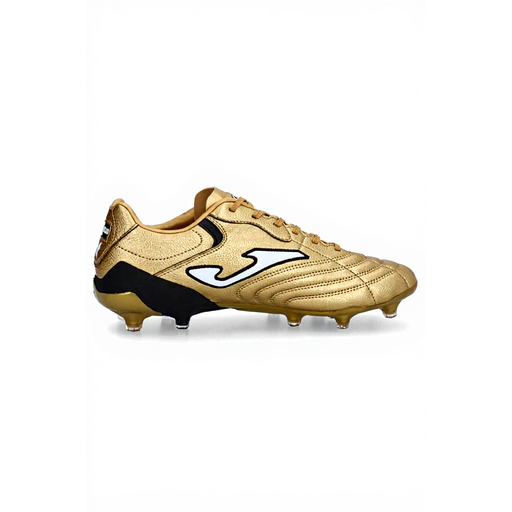
Why it suits this profile: A good choice for players who value a classic leather upper and a snug fit on firm natural grass.
The product description mentions leather, a padded collar and an anatomical insole. As the specification table lists synthetic leather, it’s worth checking before you buy.
The product information lists an FG rubber sole, lace fastening and reinforced heel. Clean this model by hand and leave it to air-dry.
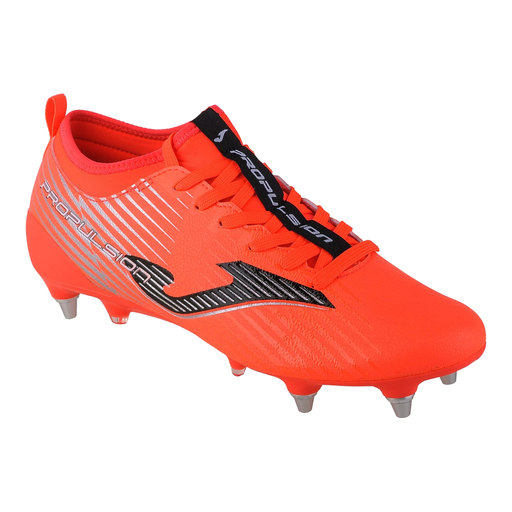
Why it suits this profile: This model is designed for players who regularly play on soft, wet natural grass and need an SG sole for those conditions.
The SG label and aluminium studs make the intended use clear. Don’t use this sole on hard natural grass, artificial grass or indoor surfaces.
The product information lists an SG sole with aluminium studs, a synthetic leather upper and a regular fit.
We’ve put together a complete, up-to-date list of products that meet these strict selection criteria and the current European safety regulations.
How long Joma football boots last depends on the playing surface, how often you train and how well you look after them. To help them last longer:
According to the product information, the products listed are covered by a statutory EU guarantee of at least two years. This doesn’t mean normal wear and tear or misuse will automatically be covered. Keep your proof of purchase and check the seller’s current guarantee terms.
Yes. Choose a model that lists AG (Artificial Ground) as a suitable surface, such as certain Super Copa models. Don’t assume an FG or SG sole is suitable for artificial grass. Also check your club’s rules, as some pitches have specific requirements.
Your heel should move very little and your foot should feel secure, but your toes shouldn’t press against the front. Measure your foot in football socks and compare its length with the size chart. If you’re between sizes, check the returns policy before placing your order.
Replace them when the studs are clearly worn down, the sole starts to come away, the heel no longer provides support or the upper tears. Frequent training on artificial grass can cause more wear than occasional use on natural grass. Check your boots regularly rather than judging by age alone.
