
Vandaag of morgen in huis

Kwaliteit gegarandeerd

Welkomstaanbiedingen ontgrendelen: GRATIS bezorging | Tot 80% korting | Gratis 30 dagen JoyPlus-proefperiode
Download de app
As an active footballer, you know that the right boots make all the difference. Yet, it's easy to fall for marketing hype or designs that look great but disappoint after just a few matches. Especially with a brand like Joma, known for its functionality, making the wrong choice is a missed opportunity. Let's go through the most common pitfalls and how you can avoid them.
A frequent mistake is choosing a boot with the wrong sole for the playing surface. An indoor shoe on artificial grass offers insufficient grip, while a turf shoe on a smooth indoor court feels clumsy and unpredictable. Another pitfall is ignoring the material. A stiff, non-breathable boot can lead to blisters and discomfort, no matter how flashy the design. Lastly, cushioning is often underestimated, particularly in futsal, which can result in tired feet and an increased risk of injury.
Before you purchase a pair of futsal shoes, it's important to understand a few technical specifications. These determine the performance, comfort, and durability of your Joma football boots.
The sole is arguably the most critical component. Joma uses clear codes to indicate the intended surface type.
The material of the boot's upper affects ball feel, fit, and breathability.
Especially for futsal on a hard surface, good cushioning is essential to absorb impact. Joma integrates several technologies:
Based on these specifications, we have selected a few models that suit different types of players.
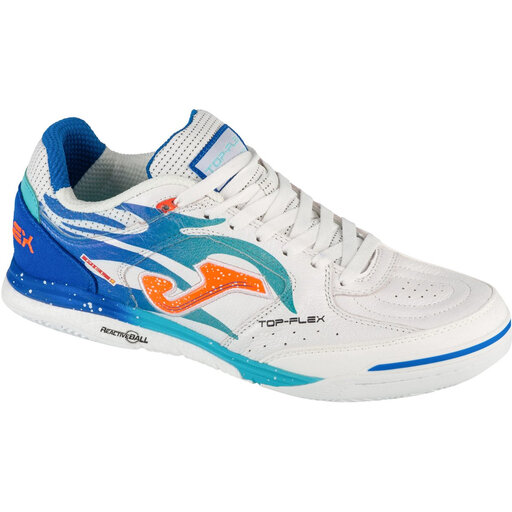
Why This Fits Their Persona: This player lives for quick actions, sharp turns, and ball control in tight spaces. The boot is designed for the dynamics of futsal, where flexibility and responsiveness are crucial.
Tackles the pitfall of insufficient cushioning. According to Joma, the Rebound technology in the midsole provides extra energy return and shock absorption, which combats fatigue on hard indoor floors.
The combination of a flexible upper and a responsive sole makes it ideal for agile players. The non-marking sole is a requirement for most sports halls.
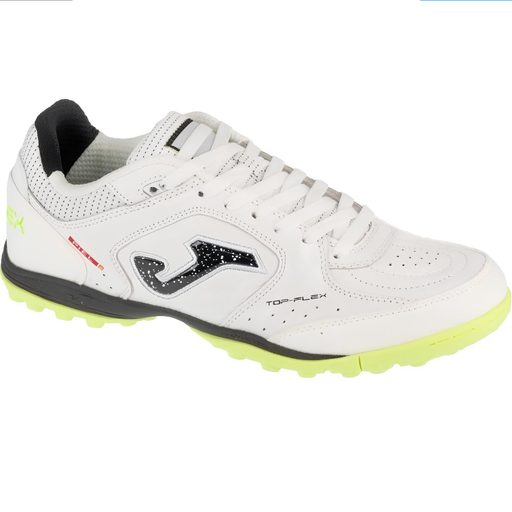
Why This Fits Their Persona: This player plays weekly on artificial grass and needs a reliable boot that combines grip, durability, and good ball feel. Stability during cuts and turns is essential.
Avoids the mistake of using the wrong sole. The TF (Turf) sole with its many small studs is specifically designed for the hardness and texture of artificial grass, preventing slips and reducing pressure on the feet.
The flexible construction, characteristic of the Top Flex line, ensures natural foot movement. The durable synthetic upper offers good ball control and is wear-resistant.
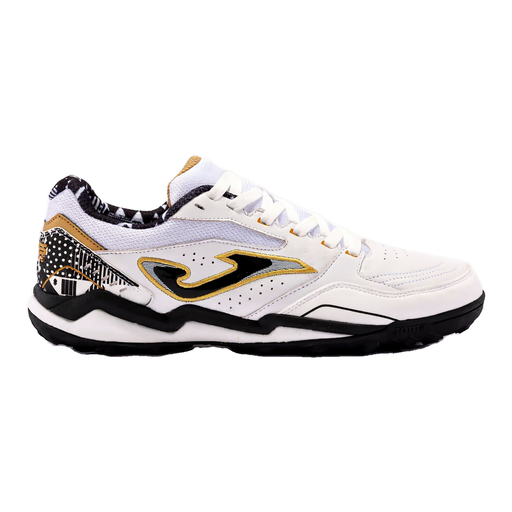
Why This Fits Their Persona: This player seeks a comfortable and reliable boot for training and matches on artificial grass. Comfort during longer sessions and durability are more important than the very latest, specific features.
Counters the pitfall of a 'stylish but uncomfortable' design. The focus is on functionality, with a premium leather upper for breathability and a dual-density midsole for comfort.
According to Joma, the dual-density midsole (Foam Reactive and Phylon) offers a balance between shock absorption and stability. The reinforced toe cap provides extra durability.
We have compiled a complete, up-to-date list of products that fully meet these strict selection criteria and quality standards.
Generally, Joma boots fit true to size. However, it's always wise to check the product description for specific fit advice, such as 'Regular fit'. If in doubt, it can be helpful to measure your foot and compare the length in centimetres with the brand's size chart.
The Joma Top Flex is an iconic model often praised for its exceptional flexibility and use of leather, which provides an excellent feel for the ball. This makes it a favourite among technical indoor players. The Joma Invicto, on the other hand, often features a lightweight synthetic upper and is geared towards a snug fit and durability, ideal for fast-paced, intense matches.
While technically possible, it is not recommended. The small rubber studs on men's turf shoes are designed for grip on artificial grass. On hard, flat surfaces like asphalt or concrete, these studs will wear down very quickly. This not only reduces the lifespan of the shoe but also its effectiveness on the pitch when you use them there again.
