
Vandaag of morgen in huis

Kwaliteit gegarandeerd

Welkomstaanbiedingen ontgrendelen: GRATIS bezorging | Tot 80% korting | Gratis 30 dagen JoyPlus-proefperiode
Download de app
Buying a pair of Joma football boots seems simple until you have to choose between FG and AG, different sizes and models such as Joma Super Copa or Joma Striker. You often only notice you have made the wrong choice on the pitch: not enough grip, pressure on your toes or studs wearing down sooner than expected.
As a Joybuy Product Recommendation Officer, I focus mainly on verifiable information in the product description. Marketing terms such as “professional”, “extra fast” or “superior comfort” do not say much on their own. The sole type, upper material, fit and playing surface are more important.
FG stands for Firm Ground. This sole is designed for firm surfaces, usually natural grass. If you regularly wear Joma FG football boots on artificial grass, you may experience too much pressure on the studs. The sole may also wear down more quickly.
Joma AG football boots are designed for artificial grass. AG stands for Artificial Ground and refers to a sole with studs for synthetic pitches. Always check the pitch information provided by your football club, as artificial grass can vary from one location to another.
Lightweight football boots can feel comfortable during short bursts of acceleration and quick changes of direction. However, a low weight does not tell you how well the boot wraps around your foot or how much support the heel provides.
So also look for features such as a lace-up fastening, a regular fit, a Sock System or Exo Counter. These features are listed for some Joma models, but the feel will vary depending on your foot shape.
Football boots should fit closely, but your toes must not be pressed against the front. Measure both feet at the end of the day while wearing the football socks you use for training. Then compare your foot length with the size chart on the product page.
Half a size can make a difference. For example, Joma Striker models are available in sizes 42 and 42.5. Always check current stock and your selected size before ordering.
Use this simple guide:
The product description for the Joma Striker 2502 FG states that it is designed for firm natural grass. The Joma Super Copa 2401 AG and 2402 AG are listed as suitable for artificial grass. This distinction matters more than the colour or model name.
Many Joma football boots in this selection have a synthetic leather or synthetic upper. This material is generally easy to clean with a damp cloth. The product descriptions for various models list durability, comfort and support as material properties. Treat this as the manufacturer’s product information, not as a guarantee of a specific lifespan.
According to the product description, the Joma Aguila Cup 2518 FG has a natural leather upper. Leather may mould to the foot differently from synthetic material, but it also requires more care. Allow football boots to dry naturally after use and avoid direct heat.
A regular fit with laces gives you room to adjust the fastening. Check that:
Technologies such as One Piece, Sock System and Exo Counter are listed for certain Joma models as construction or support features. According to the product description, they are designed to provide a close fit and additional heel support. They do not replace choosing the correct size.
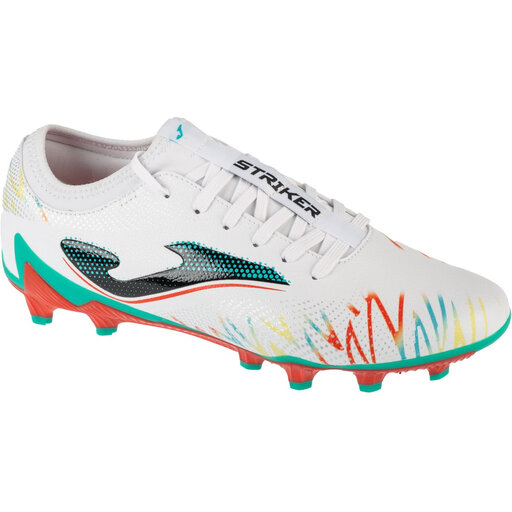
Why it suits this profile: This model combines a synthetic leather upper, a lightweight design and an FG sole for firm natural grass pitches. That makes it suitable for recreational players looking for one pair for training and matches on natural grass.
The product information clearly states FG and natural grass. This means you can check the intended playing surface in advance.
Lightweight construction, synthetic leather, One Piece construction, Sock System and Exo Counter according to the product description.
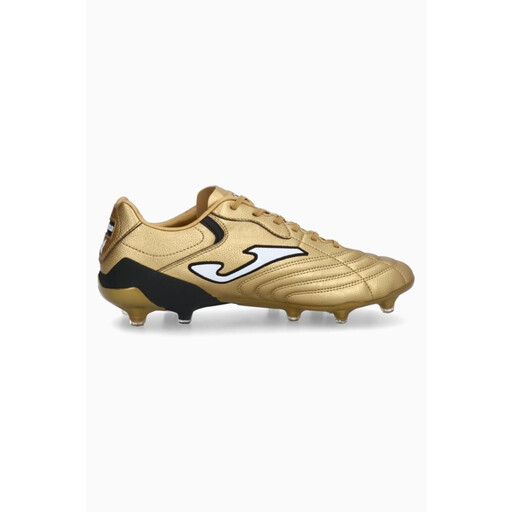
Why it suits this profile: Players who value a leather upper and a classic fit may wish to consider this FG model for natural grass.
The material is specified as natural leather, so you do not have to rely on a vague description such as “premium”.
Natural leather upper, padded collar, anatomical insole and FG rubber sole according to the product details.
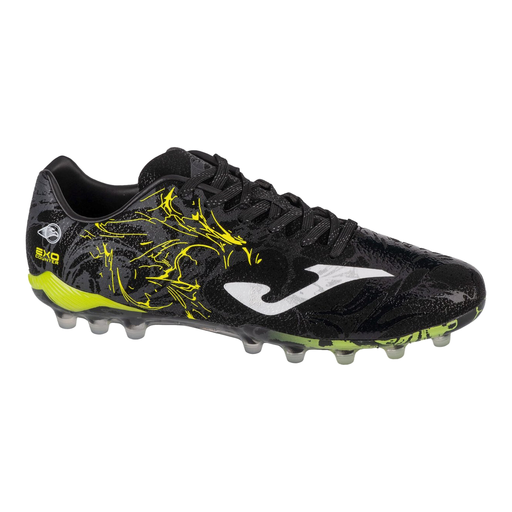
Why it suits this profile: For players who regularly train or play on artificial grass, the AG sole matches the stated playing surface.
The product page explicitly mentions AG and artificial grass. This helps you avoid buying an FG model for synthetic pitches.
Synthetic leather upper, lightweight design, rubber sole and EXO COUNTER and ONE PIECE technologies according to the product description.
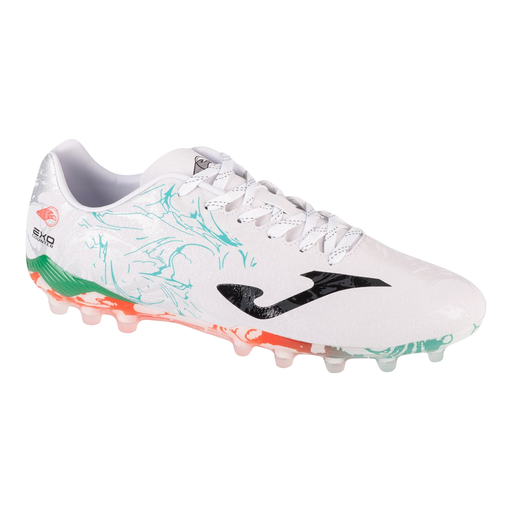
Why it suits this profile: According to the product information, this white AG model is intended for adult female players and for training and matches on artificial grass.
The sole classification and target group are stated for the product, allowing you to assess this choice against your pitch and foot size.
AG rubber sole, synthetic leather upper, lace-up fastening and lightweight construction according to the product details.
Lifespan depends on the playing surface, frequency of use and maintenance. Clean the boots after every training session with a soft brush or damp cloth. Remove grass and mud before they dry. Allow the boots to air at room temperature and do not use a radiator, tumble dryer or direct heat.
Do not regularly wear FG football boots on artificial grass and do not use AG models on hard paving. Check the studs, sole edge, seams and laces regularly. Severe wear reduces grip, so replacing the boots is wiser than continuing to use them.
According to the product information, these Joma models are covered by a minimum of two years’ statutory guarantee under EU consumer rules. This is separate from normal wear and tear or damage caused by incorrect use.
We have put together a complete, up-to-date list of products that fully meet these strict selection criteria and the applicable European safety regulations.
Yes, choose a model with an AG sole. The Joma Super Copa 2401 AG and Super Copa 2402 AG are listed in the product information as suitable for artificial grass. An FG model is intended for firm natural grass.
The models mentioned often have a regular fit, but the right choice depends on your foot length and socks. Measure both feet and check the size chart on the product page. Also look at half sizes, such as 42.5, if a full size feels too tight or too loose.
Use a soft brush or damp cloth. Avoid the washing machine, bleach and high temperatures. Allow the boots to dry naturally and store them somewhere dry and out of direct sunlight.
