
Vandaag of morgen in huis

Kwaliteit gegarandeerd

Welkomstaanbiedingen ontgrendelen: GRATIS bezorging | Tot 80% korting | Gratis 30 dagen JoyPlus-proefperiode
Download de app
Choosing a new pair of Joma football boots may seem straightforward at first glance. Yet many players buy a model that is unsuitable for their pitch. You often only notice during training: too little grip, pressure around the toes or a sole that wears out faster than expected.
The main pitfalls are usually not the colour or the brand, but the combination of sole type, material and size. Use this practical checklist to avoid making the wrong choice for natural grass, artificial grass, turf or indoor football.
FG, AG and TF are not random model codes. They refer to different playing surfaces:
Using a pair of Joma FG football boots on artificial grass can be uncomfortable and place unnecessary strain on the sole. Conversely, an AG sole may not provide the grip you want on firm natural grass. So first consider the surface you usually play on, then choose the model.
Terms such as ‘professional’, ‘ultra-light’ or ‘maximum speed’ mean little without technical specifications. Instead, look for information you can check:
According to Joma’s product description, for example, the Super Copa 2401 AG has a synthetic upper, rubber sole, AG studs and EXO COUNTER and ONE PIECE technologies. These are more useful points of reference than a general performance claim.
A size 43 will not fit the same in every model. The material, toe shape and amount of padding all affect the fit. Measure your foot in millimetres and compare it with the size chart where available. Wear the socks you use for football when measuring.
A good fit means your heel does not lift out, your toes do not press against the front and your foot does not slide forwards excessively when braking.
For Joma football boots for natural grass, FG is generally the type to look for. This sole is designed for a firm grass surface. According to their product descriptions, the Joma Striker 2502 FG, Propulsion Cup 2402 FG and Super Copa 2401 FG are intended for firm ground.
For Joma football boots for artificial grass, AG is the logical category. The Joma Super Copa 2401 AG and Super Copa 2402 AG have an AG sole with strategically positioned studs. This makes them suitable for players who mainly train or play matches on synthetic pitches.
A Joma turf football boot has lots of small rubber studs. The Joma Top Flex 2401 TF is described as a flexible model for futsal and artificial grass, with a rubber DURABILITY outsole and a multi-stud structure. The Top Flex range and the Joma FS Reactive 2402 TF are therefore worth considering for short artificial grass, turf and some indoor-style playing conditions. Always check the rules and surface at your sports venue.
A leather upper can feel supple and mould itself to the foot. According to the product information, the Joma Aguila Cup 2518 FG uses natural leather, a padded collar and an anatomically shaped insole. This may suit players who value traditional ball feel and a slightly softer upper.
Synthetic materials are often easier to clean and generally retain their shape differently from leather. The Super Copa, Propulsion Cup and Striker models use synthetic material or synthetic leather. A lightweight football boot can be comfortable for players who accelerate and turn frequently, but a lower weight is no substitute for a suitable sole or proper support.
Pay attention to the padding around the ankle, tongue, heel and insole. Indoor football models such as the Top Flex 2401 TF are described as having a soft textile lining, extra padding and a Phylon midsole with PULSOR gel particles. These are product features; your experience will ultimately depend on your foot shape and playing style.
Clean your boots after use with a soft brush or damp cloth. Allow them to dry at room temperature and avoid radiators and direct sunlight. A suitable leather cream can be used on leather sections. Machine washing and high heat can damage the glue, lining and upper.
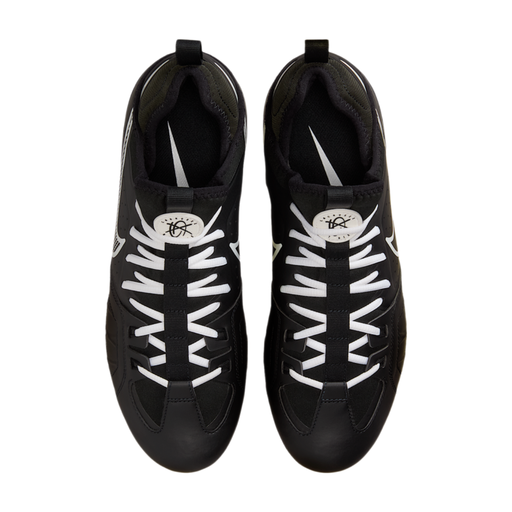
Why it suits this profile: A practical choice for adults who mainly train on artificial grass and are looking for a lightweight synthetic model with an AG sole.
The AG designation clearly indicates the intended surface. This helps you avoid buying an FG model for an artificial grass pitch.
Synthetic upper, rubber sole and EXO COUNTER and ONE PIECE construction, according to the product description.
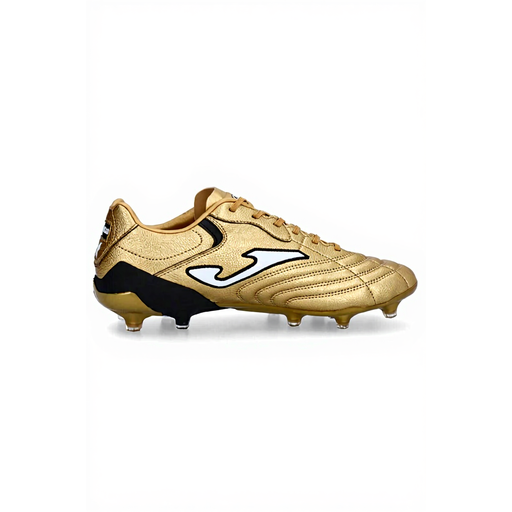
Why it suits this profile: Suitable for players who play on firm natural grass and value natural leather and a classic fit.
The FG sole is designed for firm ground, helping to avoid confusion with AG or TF models.
Natural leather upper, padded collar and anatomical insole, according to the available product information.

Why it suits this profile: Designed for indoor footballers and players on turf or short artificial grass who value flexibility and ball feel.
The TF specification helps prevent you from choosing a sole with longer FG studs for a flat, hard playing surface.
Flexible leather upper, ventilation perforations, rubber toe reinforcement and multi-stud rubber sole, according to Joma’s product information.
Why it suits this profile: An option for lacrosse players on firm natural grass pitches who are looking for a low-profile model with FG studs.
The FG configuration makes it clear that this model is not intended as a turf or indoor football boot.
Synthetic upper, foam midsole, rubber outsole and lace fastening, according to the product description.
We have put together a complete, up-to-date list of products that fully meet these strict selection criteria and the applicable European safety regulations.
Look for models with AG or TF in the product name. AG is intended for artificial grass pitches, while TF uses lots of small rubber studs and is suitable for turf and certain indoor conditions. Always check the regulations for the relevant pitch.
Their lifespan depends on the playing surface, frequency of use, body weight, playing style and care. FG boots used regularly on artificial grass may wear out more quickly. Clean your boots after every training session, allow them to dry naturally and use them only on the surface they were designed for.
Some models, such as the Top Flex range, are specifically described as futsal or TF boots. Pay attention to the sole: for a smooth indoor floor, you need a suitable rubber sole, usually without long studs. Also check whether the sole is permitted under the indoor football rules.
