
Vandaag of morgen in huis

Kwaliteit gegarandeerd

Welkomstaanbiedingen ontgrendelen: GRATIS bezorging | Tot 80% korting | Gratis 30 dagen JoyPlus-proefperiode
Download de app
A new pair of Joma football boots may seem like an easy choice: select your size, pick an eye-catching design and place your order. However, most disappointing purchases are not caused by the brand, but by the wrong sole, an incorrect size or expectations that do not match the playing surface.
For amateur and recreational footballers in the Netherlands, these three pitfalls are particularly important:
The abbreviation on the sole is not just a detail; it tells you how the boots are intended to be used.
An FG model is therefore a logical choice for football boots for natural grass, while AG is better suited to football boots for artificial grass. Ideally, use the boots on the surface for which the manufacturer describes them.
The selected Joma models mainly use synthetic leather, eco-leather or natural leather.
Technology names such as One Piece, Sock System and Exo Counter appear on the Joma Striker and Super Copa. According to Joma’s product description, these constructions are designed to provide a better fit and support. Treat this as product information rather than a guarantee that every player will experience the same feel.
Many available versions are offered in football boot sizes 40 to 45, including some half sizes. For example, the Joma Super Copa 2401 FG lists foot lengths for each EU size. Use this table as an additional check and measure both feet at the end of the day.
When trying them on, check that:
Women’s and men’s models are listed as separate target groups in the product information, but foot shape varies from person to person. So do not look only at the men’s football boots or women’s football boots label; the stated size and fit are the deciding factors.
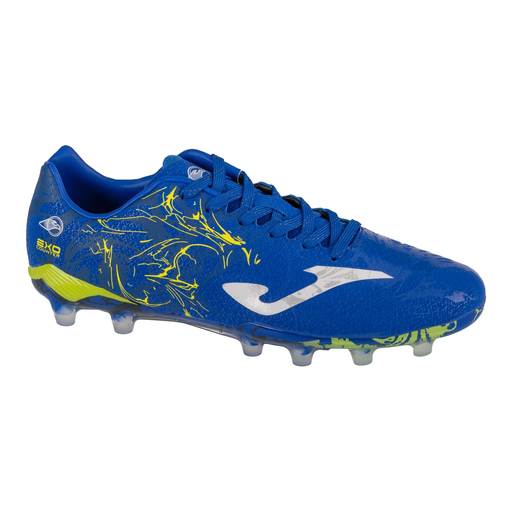
Why it suits this profile: This FG model in size 42 has a synthetic upper, a rubber sole and a lightweight design. This makes it suitable for recreational players who train or play matches on firm natural grass.
The product information clearly states FG and natural grass as the intended playing surface. This means you do not have to choose a sole based on appearance alone.
Synthetic upper, low weight and a padded insole according to the product information.
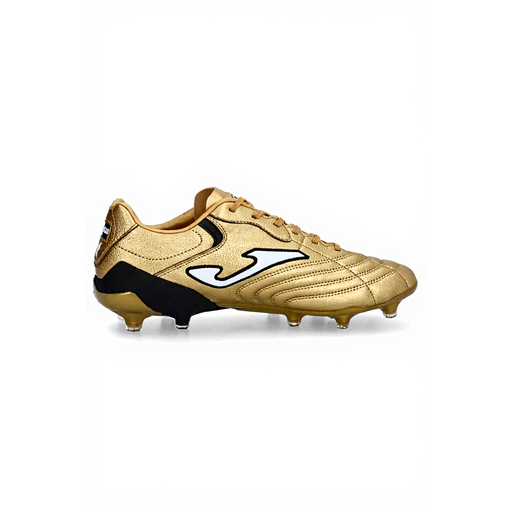
Why it suits this profile: For players who value a classic model and a leather upper. The boot is designed for firm natural grass and has a padded collar and anatomically shaped insole according to the product description.
The FG designation makes the pitch type clear. The leather upper also requires cleaning and dry storage, helping ensure that care is not overlooked.
Leather upper, classic lace fastening and rubber FG outsole according to the product specifications.
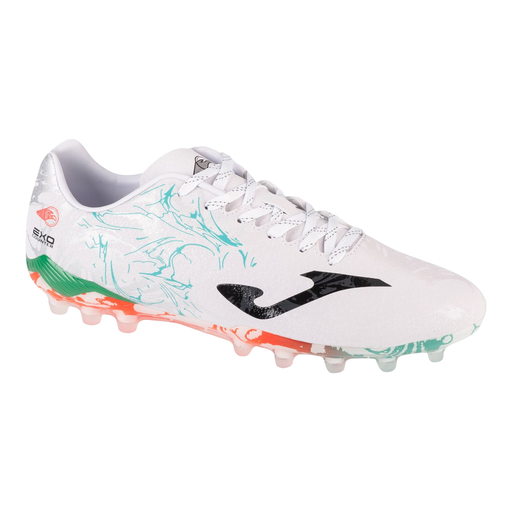
Why it suits this profile: This AG version is designed for artificial grass and is described in the product information as suitable for women’s football. The half size 42.5 offers an additional fit option for adult players.
The AG sole helps prevent you from choosing a natural-grass model when you mainly play on artificial grass. The product information recommends using it on artificial grass.
Synthetic upper, rubber AG sole and a regular fit with lace fastening.
We have compiled a complete, up-to-date list of products that fully meet these strict selection criteria and the applicable European safety regulations.
Clean your Joma football boots after every training session using a soft brush or damp cloth. Remove grass and mud before they dry. Leave the boots to air-dry at room temperature, and avoid radiators, hairdryers and prolonged exposure to direct sunlight. Do not wash football boots in the machine unless the product information expressly permits it.
Also check regularly:
The selected Joma products are covered by a minimum two-year statutory guarantee according to the stated EU consumer information. This is separate from normal wear and tear caused by incorrect use or use on an unsuitable surface.
Usually not as a permanent choice. FG stands for Firm Ground and refers to firm natural grass. For artificial grass, Joma AG football boots are the more logical option when the product information indicates that the AG sole is intended for this purpose.
Measure your foot in millimetres and compare the result with the model’s size chart. Try the boots on with football socks and check that your heel does not slip. A secure fit is desirable, but your toes should not press against the front.
This depends on the playing surface, training frequency, care and fit. An FG boot that is frequently used on artificial grass may wear out more quickly. By choosing the right sole, removing mud promptly and allowing the boots to dry naturally, you can reduce unnecessary wear.
