
Vandaag of morgen in huis

Kwaliteit gegarandeerd

Welkomstaanbiedingen ontgrendelen: GRATIS bezorging | Tot 80% korting | Gratis 30 dagen JoyPlus-proefperiode
Download de app
Buying a new pair of Joma football boots may seem straightforward, until you have to choose between FG and AG, different models and a half size. Many footballers focus mainly on colour, price and the words “lightweight”. This can result in a pair that wears out on the wrong surface, does not fit securely enough or feels less comfortable after just a few training sessions.
The most important choice is therefore not the appearance, but the combination of surface, sole type, fit and size. Below, you will find what to look out for and which models suit different playing styles.
FG stands for Firm Ground and refers to a sole designed for firm natural grass. The studs are intended to provide grip on a natural, solid grass pitch. If you use this sole regularly on artificial grass, the studs and sole may be subjected to different stresses than intended. The product information for several Joma FG models therefore states that they are not suitable for artificial grass or hard surfaces.
This is relevant for many Dutch players: training sessions often take place on artificial grass, while matches may sometimes be played on natural grass. If you mainly play on artificial grass, it is better to look at Joma AG football boots.
A low weight can feel comfortable during short sprints and quick changes of direction. However, weight alone says nothing about the fit or support around the heel. According to the product description, models such as the Joma Striker combine a microfibre upper with an integrated sock section and EXO Counter construction around the heel. These are verifiable product features, but they do not replace a fit that suits you personally.
So do not just consider the material. Also look at:
Football boots should fit securely, but your toes must not be pressed against the front. Joma’s size charts use foot length or insole length in millimetres, among other measurements. Measure both feet at the end of the day, wearing the football socks you normally use. If there is a difference, choose the size that provides enough room for your longer foot.
The range includes Joma football boots in sizes 40.5 to 46, depending on the model. Always check the size on the specific product page, as the same model series may be available in several versions and sizes.
| Sole type | Suitable for | What to look out for | |---|---|---| | FG | Firm, dry to slightly damp natural grass | Not designed for regular use on artificial grass | | AG | Artificial grass pitches | Check that the sole is explicitly labelled AG | | Metal studs | Specific playing conditions and pitch regulations | Always check your club and competition rules |
For football boots for natural grass, the Joma Super Copa FG and Joma Striker FG models are relevant options. For football boots for artificial grass, the Joma Super Copa AG version is the more logical choice. An AG model is not automatically suitable for every surface, so follow the manufacturer’s description and your club’s rules.
The Joma models in this selection use synthetic material, synthetic leather, eco-leather or microfibre. A synthetic upper is generally easy to wipe clean and, according to the product descriptions, retains its shape well. Microfibre can provide a more flexible fit. Your actual experience depends on the fit, socks and how you lace the boots.
If ball control is your main priority, consider how smooth or textured the upper is and how closely the boot fits around your foot. Marketing claims about performance are not a guarantee for every player. First, look at the listed materials, fastening and construction.
Clean your football boots after use with a soft brush or damp cloth. Allow them to dry naturally, away from radiators and direct sunlight. Many Joma product descriptions advise against putting the boots in a washing machine or tumble dryer.
Lifespan depends on the playing surface, frequency of use, weather conditions and care. Wearing FG boots on artificial grass or storing boots while they are wet for long periods can cause unnecessary wear.
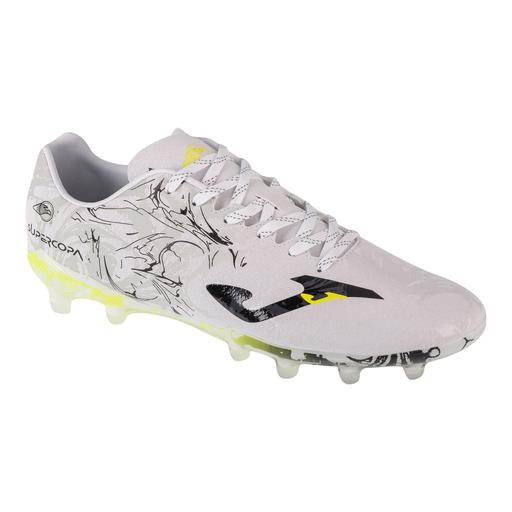
Why it suits this profile: This version features a synthetic leather upper, a padded insole and a lightweight construction for recreational players on firm natural grass.
The FG designation makes the intended surface clear. Do not use this pair as an all-purpose boot for artificial grass.
Synthetic upper, rubber sole, padded insole and size 40.5.

Why it suits this profile: The combination of microfibre, an integrated sock section and EXO Counter construction is well suited to players looking for a close-fitting FG boot.
The construction provides more information than simply claiming it is “lightweight”: the material, sock section and heel support are listed separately.
Microfibre upper, lace fastening, regular fit and size 44.5.
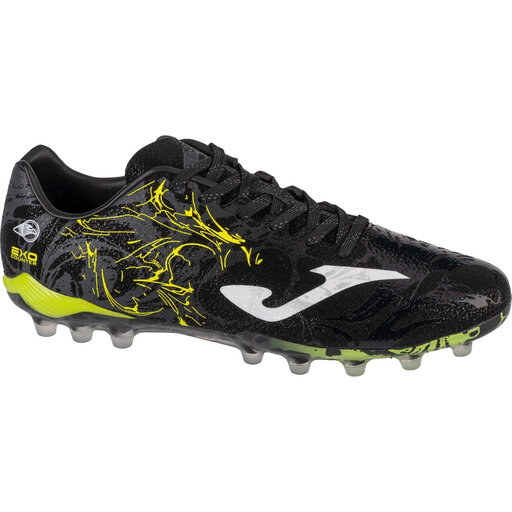
Why it suits this profile: This AG model is designed for artificial grass and suits players who train several times a week on a synthetic pitch.
The sole is explicitly labelled AG. This helps prevent you from buying an FG model for regular use on artificial grass.
AG sole, synthetic upper, EXO COUNTER and ONE PIECE construction.
Check the following before completing your purchase:
A model with metal studs is a separate choice. Always check the rules of your club, competition and pitch. You may also wish to browse the range of football boots with metal studs, but once again compare the playing surface and permitted sole type.
We have compiled a complete, up-to-date list of products that fully meet these strict selection criteria and the applicable European safety regulations.
According to the product information for the FG models mentioned, these boots are designed for firm natural grass. For regular use on artificial grass, a model with an explicit AG designation is a more suitable starting point. Also check your club’s regulations.
Remove mud and grass with a soft brush or damp cloth. Allow the boots to air-dry and avoid direct heat. Machine washing, bleach and tumble drying are not recommended for several models. If in doubt, follow the care advice on the product page or label.
This varies from player to player. Intensive use, an unsuitable surface, rain and inadequate care can accelerate wear. Use FG boots on firm natural grass and AG boots on artificial grass, clean them after use and regularly check the sole, seams and heel construction.
