
Vandaag of morgen in huis

Kwaliteit gegarandeerd

Welkomstaanbiedingen ontgrendelen: GRATIS bezorging | Tot 80% korting | Gratis 30 dagen JoyPlus-proefperiode
Download de app
A pair of Joma football boots may look great in photos, but that does not automatically mean the model is right for your playing surface or feet. The biggest buying mistakes usually come down to three simple errors: choosing the wrong sole for the surface, selecting a fit that becomes uncomfortable over time, and accepting marketing claims about lightness or cushioning without checking the product specifications.
In this buying guide from the Joybuy Product Recommendation Officer, we compare Joma football boots for indoor football, artificial grass, firm natural grass and soft pitches. This makes it easier to choose between models including the Joma Top Flex, Joma Propulsion Cup, Joma Super Copa, Joma Aguila Cup and Joma Striker.
An indoor shoe with a flat rubber sole is not designed for artificial grass. Conversely, football boots with studs may offer too little flexibility on a sports hall floor and can leave marks. Always check the abbreviation:
Using a model on the wrong surface can reduce grip and cause it to wear out more quickly.
Low weight is useful for quick movements, but you should also check the upper, inner lining, insole and midsole. Synthetic materials are generally easy to maintain. According to the product description, leather can feel supple and provide good contact with the ball, but it requires more care and should be allowed to dry slowly after use.
Also look for a reinforced toe, ankle padding and heel support. These features are particularly relevant if you train and play matches frequently.
A size 42 does not provide exactly the same amount of internal space in every model. Measure both feet at the end of the day, wearing the socks you use for football. Compare the longer foot with the product’s size chart. The shoe should fit securely without putting pressure on your toes or allowing your heel to slip.
For Joma indoor football shoes, Joma futsal shoes and Joma indoor football boots, look for a non-marking rubber sole. The sole should flex during quick turns while maintaining sufficient contact with the floor. According to the product information, the Joma Top Flex 2531 IN and Top Flex Rebound models are designed for indoor use.
For Joma football boots for artificial grass, TF or AG specifications are important. A TF sole with multiple small studs is designed for turf and short artificial grass. AG models have a stud pattern which, according to the product description, is suited to artificial grass pitches. Do not automatically use an AG or TF model on natural grass.
For Joma football boots for natural grass, FG is generally the right choice. On soft, muddy ground, SG may be more suitable, but always check the pitch rules and local conditions. Metal studs are not permitted on every pitch.
A leather upper, as found on certain versions of the Top Flex or Aguila Cup, can feel flexible and support direct contact with the ball. Synthetic uppers are often lighter and easier to clean. Neither material is inherently suitable for every player: wide feet, a high instep and a preference for a softer feel on the ball all play a part.
Look at the materials used in the midsole and insole. EVA is used in several indoor models for comfort and shock absorption. The product description for the Top Flex 2401 TF lists a Phylon midsole with PULSOR gel particles. These are verifiable construction features; each player’s personal experience of cushioning may vary.

Why it suits this profile: This unisex indoor model combines a synthetic textile upper with an EVA insole and non-marking rubber sole. It is well suited to recreational indoor football and regular training sessions.
The product information clearly states that it is intended for indoor use and has a non-marking sole. This makes the distinction between turf and outdoor football boots clear.
Flexible, lightweight design, reinforced toe and EVA insole for extra comfort.

Why it suits this profile: According to the product description, this unisex turf model has a Fibratec leather upper, ventilation perforations and a Phylon midsole with PULSOR gel particles.
The TF sole clearly indicates the intended surface. However, the leather upper requires care and should be allowed to dry naturally.
Flexible leather upper, rubber toe reinforcement and a multi-stud sole for artificial grass.
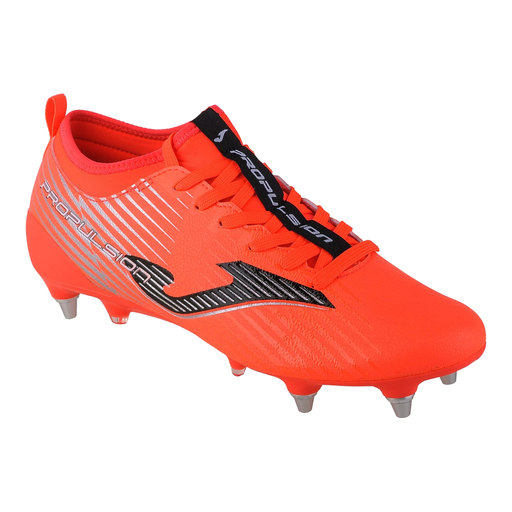
Why it suits this profile: This SG football boot is designed for soft ground and, according to the product details, features aluminium studs, a synthetic leather upper and a low-profile design.
The SG specification prevents confusion with FG or AG models. Use these boots only on the recommended soft ground.
Aluminium studs for grip on soft pitches and a synthetic upper that is easy to clean.
We have put together a complete, up-to-date list of products that fully meet these strict selection criteria and the applicable European safety regulations.
Lifespan depends on the playing surface, frequency of use and maintenance. Remove mud and grass after every outdoor training session. Clean indoor shoes with a slightly damp cloth and allow them to dry at room temperature. Avoid radiators, direct sunlight, washing machines and tumble dryers. Regularly check the sole, studs, seams and heel. Once there is clear wear, grip decreases and replacement is the wiser option.
According to the product information, the products mentioned are covered by the statutory minimum two-year guarantee within the EU. This guarantee is separate from normal wear and tear caused by use.
Choose a model with an IN designation and a non-marking rubber sole, such as the Joma Top Flex 2531 IN, Top Flex 2502 IN or Top Flex Rebound IN. According to the product specifications, these shoes are designed for indoor floors.
That depends on the sole. Choose a TF model for short artificial grass and an AG model for artificial grass pitches with an AG specification, such as the Joma Super Copa 2402 AG. Do not use FG or SG boots on artificial grass without checking first; always check the pitch rules.
Many models in this selection are listed as true to size, but fit can vary from one foot and model to another. Measure your feet, compare the length with the size chart and wear your football socks when trying them on. The boots should fit securely without creating painful pressure points.
