
Vandaag of morgen in huis

Kwaliteit gegarandeerd

Welkomstaanbiedingen ontgrendelen: GRATIS bezorging | Tot 80% korting | Gratis 30 dagen JoyPlus-proefperiode
Download de app
A pair of Joma football boots may look lightweight, sturdy and comfortable on paper, but that doesn’t automatically mean they’re right for your pitch or playing style. Adult footballers in particular sometimes buy a model with the wrong stud pattern. The result can be less grip, faster wear or a fit that becomes uncomfortable during a match.
So don’t focus only on colour, price or claims such as ‘speed’ and ‘ball control’. The most important factors are the playing surface, the fit and the construction of the sole.
FG football boots are designed for firm natural grass. Their longer, fixed studs may not be suitable for an artificial grass pitch. On modern artificial grass pitches, an AG or TF pattern is often a better choice, depending on the type of pitch and your club’s requirements.
A common mistake is to go by the product name without checking the full specification. Always check whether the boots are listed as FG, AG or TF.
A low weight can be useful for short sprints and quick changes of direction. However, a very lightweight construction won’t suit every player. Check the heel counter, lacing, lining and level of support around the foot too.
For models with features such as an Exo Counter or an integrated sock, the product description places extra emphasis on fit and support. These are product features, not a guarantee of a particular sporting performance.
A regular fit doesn’t mean every foot will fit the same way. The shape of the toe box, the amount of room over the instep and the thickness of your football socks all affect comfort.
If possible, measure your foot in millimetres and compare it with the sizing information on the product page. For example, the Joma Super Copa 2401 FG lists a foot-length range for each EU size. Also check that your preferred size is actually available.
| Pattern | Suitable surface | What to look for | |---|---|---| | FG | Firm natural grass | Fixed, relatively long studs for grip on firm grass | | AG | Artificial grass | Multiple studs designed for synthetic surfaces | | TF | Turf and short-pile artificial grass | Lots of small rubber studs for grip on compact pitches |
Wear football boots on the surfaces they’re designed for. Product information for several Super Copa models states that FG versions are intended for firm natural grass only. The same principle applies to AG football boots for artificial grass and TF football boots for turf: check the recommended use and your club’s rules.
Many models in this range use synthetic leather, eco-leather or a combination of synthetic materials and textiles. This generally offers a practical balance of easy care, flexibility and durability. Synthetic football boots can also be easier to clean than untreated natural leather.
Be sure to check the exact description. The Joma Super Copa 2401 FG is described as having an eco-leather upper, textile lining, a polyurethane foam insole and a rubber outsole. Other models are listed as using synthetic leather or synthetic materials.
For recreational and competitive men’s football boots or adult football boots, laces, a regular fit and a secure heel are all worth considering. A padded insole can improve comfort, while a heel construction or Exo Counter may provide extra support around the heel, according to the product description.
When buying, also check:
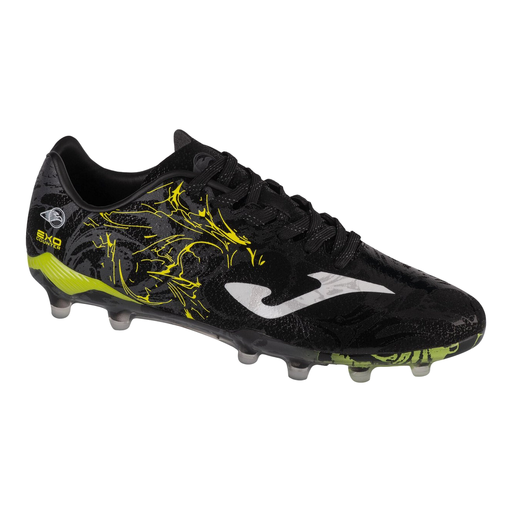
Why it suits this type of player: A practical choice for players who train or play matches on firm natural grass and are looking for a regular fit.
The FG specification makes the recommended surface clear. Do check the current product information, as specifications may vary between versions.
Eco-leather upper, rubber outsole, regular fit and size 42.5.

Why it suits this type of player: Designed for players looking for a lightweight FG boot with a close-fitting construction and extra support around the foot.
The product description mentions a low-cut profile, a seamless construction, a sock-like section and external support. Check that this feel suits your foot.
Synthetic leather upper, FG sole, lace-up fastening and regular fit in size 45.
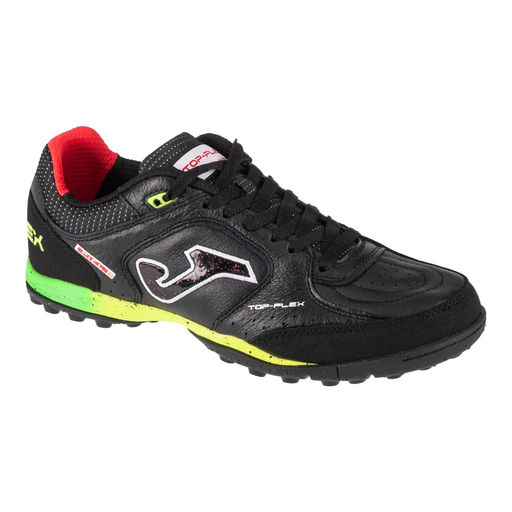
Why it suits this type of player: For players who regularly play on turf or short-pile artificial grass and need a TF pattern rather than FG studs.
The TF label helps you avoid buying an FG model for a compact turf surface. According to the product information, these boots are designed for artificial grass and turf.
Rubber sole, synthetic and textile materials, padded insole and regular fit.
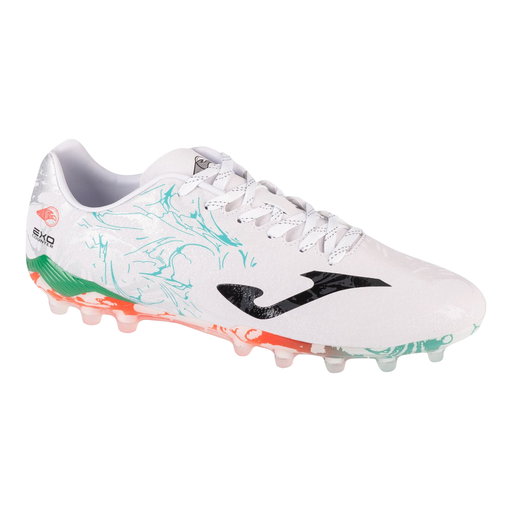
Why it suits this type of player: Suitable for adults who mainly train on artificial grass and are looking for a lightweight synthetic upper with an AG sole.
The AG label distinguishes these boots from a natural grass model. Check the type of pitch at your club before ordering.
AG sole, synthetic leather upper, rubber outsole and size 45.
We’ve put together a complete, up-to-date list of products that meet these strict selection criteria and the applicable European safety regulations.
How long your boots last depends on how often you wear them, the surface you play on and how well you look after them. Clean synthetic football boots after every training session with a soft brush or damp cloth. Remove grass and sand from the sole, then leave the boots to dry at room temperature. Don’t use a radiator, tumble dryer, bleach or harsh cleaning products.
Avoid wearing FG models regularly on artificial grass, and don’t use TF models as a substitute for fixed studs on natural grass. Choosing the right boots for each surface helps prevent unnecessary wear to the sole and upper.
Yes. The range includes models with an AG sole for artificial grass and models with a TF sole for turf. Choose the pattern based on the surface you play on most often. According to the product information, FG models are designed for firm natural grass.
The models mentioned are generally described as having a normal or regular fit. However, foot shape and sock thickness can vary. Measure your foot and compare its length with the size chart or product information. Also check whether your preferred size, such as 40, 42.5, 44 or 45, is available.
Use a soft brush or damp cloth and leave the boots to dry naturally. Don’t machine-wash them and avoid direct heat. Always check the care label for the specific version.
