
Vandaag of morgen in huis

Kwaliteit gegarandeerd

Welkomstaanbiedingen ontgrendelen: GRATIS bezorging | Tot 80% korting | Gratis 30 dagen JoyPlus-proefperiode
Download de app
Artificial grass requires a different sole to natural grass or indoor surfaces. Yet, many footballers choose their boots based on colour, brand name, or an attractive offer. This can lead to less comfort, the wrong kind of grip, or premature wear and tear. In this guide, you'll learn what to look for when choosing Joma football boots for artificial grass, with practical recommendations for training sessions and matches in the UK.
The abbreviations on the product page are important. AG stands for Artificial Ground and refers to a sole with studs for artificial grass pitches. TF stands for Turf and usually refers to a rubber sole with many small studs for short artificial grass and turf pitches.
An AG sole isn't automatically suitable for every surface. Likewise, a TF model is not intended as a universal boot for natural grass, hard ground, and artificial grass. Therefore, always check the recommended surface and use the boots according to the product description.
Lightweight football boots can be great for short sprints and quick changes of direction. However, a thin synthetic upper doesn't always offer the same protection or support as a reinforced construction. That's why you should also pay attention to the toe reinforcement, the upper material, and the fit.
A boot with a padded insole or extra ankle padding can feel more comfortable during longer training sessions. That doesn't mean every foot needs the same level of support. Fit remains a personal preference.
A football boot should fit snugly around your foot without creating painful pressure points. Too much room can reduce your control, while a boot that's too tight can become uncomfortable during a long training session. Measure both feet at the end of the day, while wearing the football socks you normally use.
Our range includes various football boots in sizes 40 to 46, including models in sizes 40, 40.5, 41, 42, 42.5, 43, 43.5, 44, 44.5, 45 and 46. Check the current size options on the product page before you order.
For many UK artificial grass pitches, Joma AG football boots or Joma TF football boots are relevant choices. Choose AG when the boot's specifications state it's designed for studded artificial grass. Choose TF if you mainly play on turf or short artificial grass and are looking for a rubber multi-stud sole.
The sole must provide grip without the studs digging too deep into the surface. According to the product descriptions of the Joma models mentioned, the soles are made of rubber and designed for artificial grass or turf. If in doubt, check the regulations of your club or facility.
A synthetic upper with textile parts is often lightweight and easy to clean. A leather upper, according to the product description, can offer a flexible feel on the ball but typically requires more maintenance. A reinforced toe is practical for players who often drag their toes or train intensively.
Also, pay attention to how you maintain your boots. The models in this selection should not be put in the washing machine or dryer. After use, remove grass and dirt with a soft brush or a damp cloth. Let the boots dry naturally, away from radiators and direct sunlight.
A regular fit and lace-up fastening allow you to adjust the pressure around your foot yourself. A padded insole can contribute to wearing comfort. The product description for the Joma FS Reactive mentions a dual-density midsole with Foam Reactive and Phylon. These are product specifications; the actual experience will depend on your foot, playing style, and the surface.
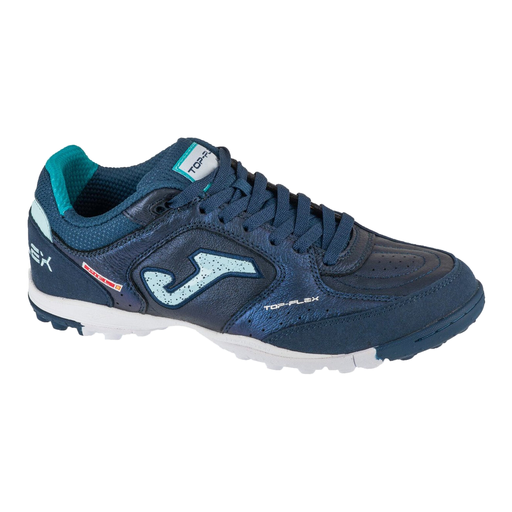
Why it suits this profile: This TF model is suitable for players who mainly train on turf or short artificial grass and are looking for a flexible, lightweight boot. The regular fit and lace-up fastening make it easy to adjust.
The product description clearly states it has a turf sole for use on artificial grass. This prevents you from choosing a sole without considering the surface.
Synthetic and textile upper, rubber TF sole, padded insole and size 45.
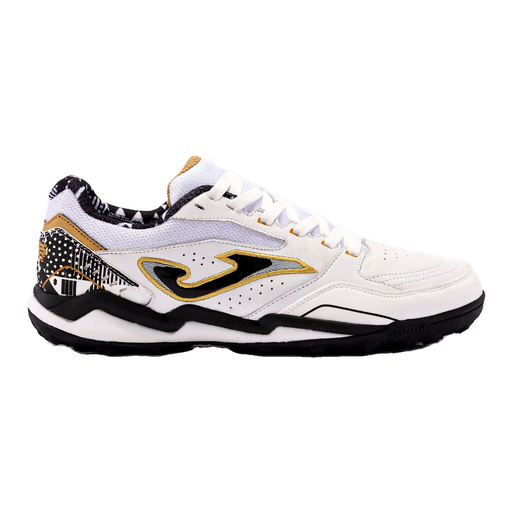
Why it suits this profile: This model combines a leather upper with textile inserts and a dual-density midsole. It's ideal for players who value comfort, ball feel, and support during longer sessions.
The sole is specified as a TF sole and the toe has rubber protection. This provides more clarity than a general claim about durability.
Leather upper, VTS perforations, rubber multi-stud sole and size 44.
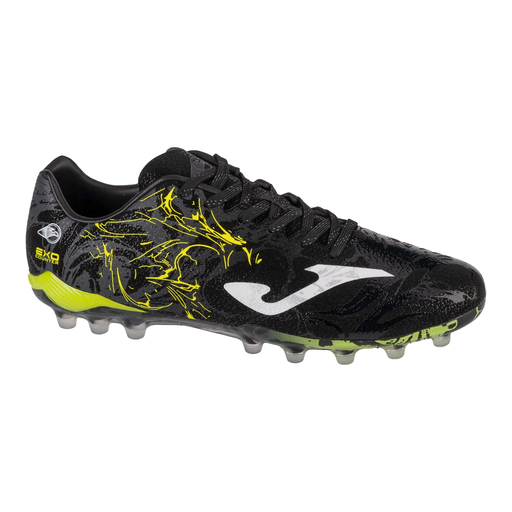
Why it suits this profile: This AG version is designed for adults who play on studded artificial grass and need a wide choice of sizes. The synthetic upper and rubber AG sole are practical for regular use.
The AG surface is explicitly stated. This makes it easier to match the model to a standard artificial grass pitch than a boot without a clear sole type.
AG sole, synthetic upper, lace-up fastening and available in size 46.
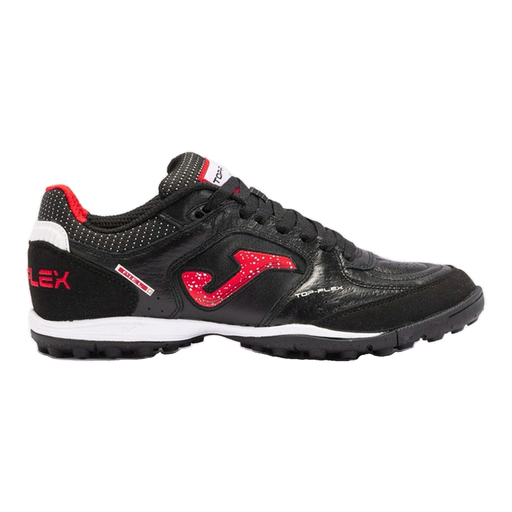
Why it suits this profile: This unisex TF model is ideal for players who highly value flexibility and ball feel on turf. The leather upper, Phylon midsole, and rubber sole are clearly described in the product information.
The flexible construction is combined with a reinforced rubber toe. This is more relevant than simply relying on a claim that a boot is lightweight.
Leather upper, ventilation perforations, PULSOR technology in the midsole and size 42.
We have compiled a complete, up-to-date list of products that fully meet these strict selection criteria and comply with current European safety regulations.
That depends on the type of artificial grass. AG football boots have studs for Artificial Ground. TF football boots, also known as turf boots, have many small rubber studs and are often suitable for short artificial grass or turf. Always check the manufacturer's instructions and the rules of your football club.
The lifespan depends on how often you play, how abrasive the pitch is, and how you maintain the boots. Only use them on the recommended surface, clean them after every training session, and let them dry naturally. Wear on the studs, the edge of the sole, or the toe is a practical sign that it's time to consider a replacement.
Measure your foot in millimetres and compare it with the size chart on the product page. Try them on with football socks and check that your toes aren't pressing against the front. If you're between two sizes, the exact measurements, the stated fit, and the returns policy are more important than just your usual shoe size.
