
Vandaag of morgen in huis

Kwaliteit gegarandeerd

Welkomstaanbiedingen ontgrendelen: GRATIS bezorging | Tot 80% korting | Gratis 30 dagen JoyPlus-proefperiode
Download de app
Artificial grass requires different football boots from natural grass or indoor floors. Even so, many players choose mainly based on colour, brand name or an attractive offer. This can lead to less grip, an incorrect fit or premature wear.
As a Joybuy Product Recommendation Officer, I filter the most important product information down to practical points. With Joma football boots for artificial grass, three pitfalls are particularly important:
The abbreviation shown on the product page is one of the most important purchase criteria.
Before buying, check the pitch you usually play on. If it is known as a turf pitch, choose turf football boots instead. If you play on standard artificial grass, compare the available AG models with your club’s recommendations.
A synthetic upper is often easy to clean and can feel shape-retaining. Textile sections can contribute to flexibility. Leather, as used on the Joma FS Reactive 2402 TF, is listed as the upper material in the product information and is combined with textile inserts.
Pay attention to the complete material composition, not just words such as “premium” or “performance”. Also look at the reinforcement around the toe, seams and heel. During intensive training, these details are more relevant than a striking colour.
A regular fit does not mean that every model feels the same on every foot. Check that the boot:
Models such as the Joma Super Copa 2401 AG mention EXO COUNTER and ONE PIECE, among other features, in the product description. According to the product information, these construction details are intended to provide a secure fit and support. Treat this as a product specification, not a guarantee that the boots will offer the same level of comfort for every foot.
Rubber outsoles are found on several Joma models in this selection. Grip also depends on the stud pattern, the surface and the condition of the pitch. “Football boots with grip” are not automatically suitable for every type of artificial grass.
Clean your boots after use with a soft brush or damp cloth. Allow them to dry naturally, away from direct heat. Do not put them in the washing machine or tumble dryer if the product instructions advise against it. By preventing mud and grass from building up, you can keep the stud profile in better working condition.
The models below have been selected based on their stated sole, materials, fit and target user. When opening the product page, always check the current size availability and product specifications.
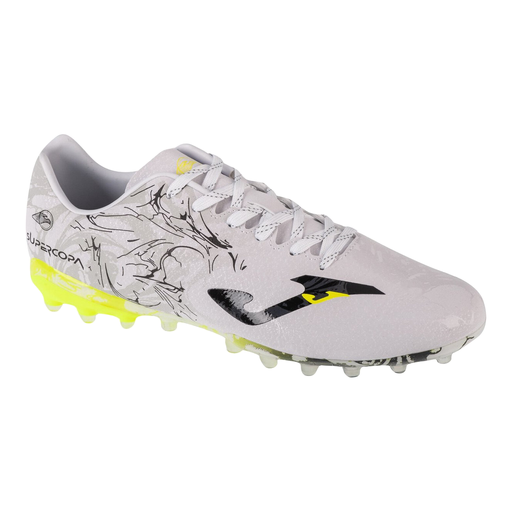
Why it suits this profile: This unisex model in size 40 is a practical choice for players who want to start playing on artificial grass with AG studs and are mainly looking for a regular fit and straightforward lace fastening.
The product information clearly states AG as the sole type and specifies a rubber sole. This makes it easier to check whether the boots are suitable for the surface than with a general football boot.
AG studs, synthetic upper, regular fit and lace fastening.
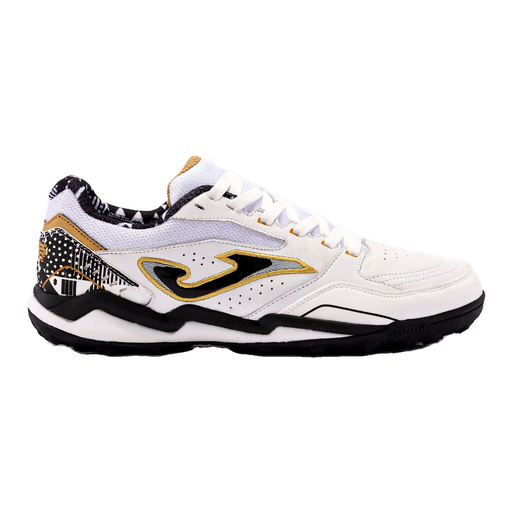
Why it suits this profile: For players who train regularly on turf and value leather, ventilation and a more refined sole construction.
The TF sole type is clearly stated. The product description also mentions a reinforced rubber toe and care instructions for use on artificial grass.
Leather upper, VTS perforations, multi-stud rubber sole and size 44.
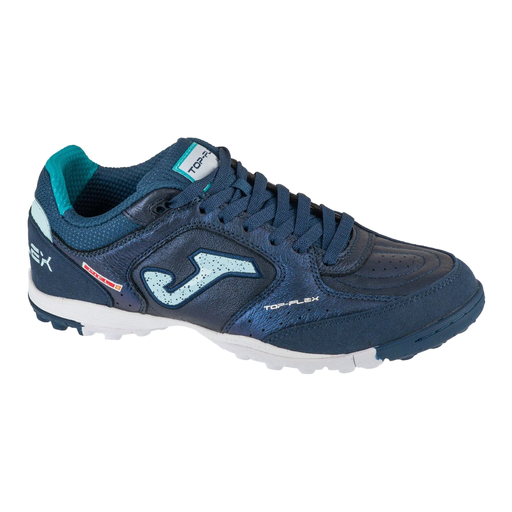
Why it suits this profile: These turf football boots are suitable for players who often train on artificial grass and are looking for a flexible, lightweight construction.
The product information states TF as the intended use, along with a rubber turf sole and a reinforced toe. This helps when checking the sole and areas prone to wear.
Flexible construction, synthetic-textile upper, cushioned insole and regular fit.
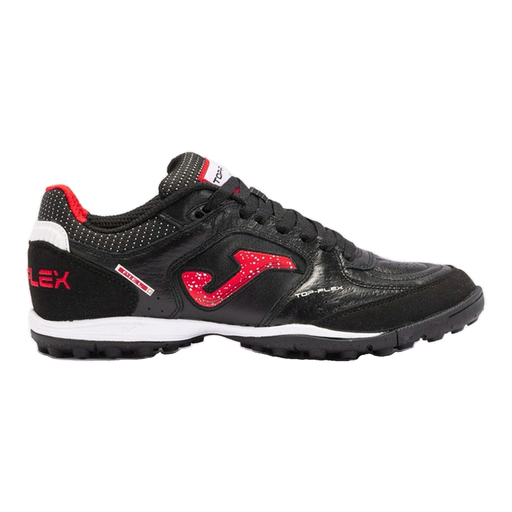
Why it suits this profile: A unisex TF model for players looking for a leather upper, flexible sole and enhanced focus on ball contact.
The product details list a TF rubber outsole, rubber toe protection and adult sizing. However, check that size 42 is suitable for your foot length.
Leather Fibratec upper, ventilation perforations, PULSOR technology according to the product description and Flexo lacing system.
We have put together a complete, up-to-date list of products that fully meet these strict selection criteria and the applicable European safety regulations.
Measure both feet at the end of the day while standing and putting weight on your feet. Wear the football socks you also use during training. Compare the longer foot with the size chart for the model you have chosen.
The range includes football boots in sizes 40 to 46, including half sizes such as 40.5, 42.5, 43.5 and 44.5. This is useful when a full size feels too tight or too loose. A good fit means that your heel does not lift during a sprint and that your toes do not press against the toe box.
Not always. TF football boots are intended for turf and certain short-pile artificial grass pitches. Check the pitch type and your club’s rules. An AG model may be more suitable for standard artificial grass.
This depends on playing time, the surface, care, body weight and playing style. Use TF and AG boots only on the recommended surface, clean them after use and allow them to dry naturally. Regularly check the studs, seams and sole for signs of wear.
A low weight can help with quick movements, but comfort is also determined by the fit, insole, lining and support. A cushioned insole or flexible construction may feel comfortable, but fit remains personal. That is why you should not choose based solely on the stated weight.
