
Vandaag of morgen in huis

Kwaliteit gegarandeerd

Welkomstaanbiedingen ontgrendelen: GRATIS bezorging | Tot 80% korting | Gratis 30 dagen JoyPlus-proefperiode
Download de app
Playing on artificial turf requires specific footwear. The speed of the game, the required grip, and the impact on your joints are different than on natural grass. The wrong boots can lead to slips or unnecessary strain. If you're looking for reliable boots tailored to this surface, Joma artificial turf football boots are worth considering. This article will help you understand the different options and find a model that matches your playing style, based on product specifications.
Before we review the models, it's helpful to know what to look for. The 'TF' designation stands for Turf, indicating that the boot is designed for artificial grass and other hard surfaces.
The most distinctive feature of TF football boots is the outsole. Unlike boots with long studs (FG), which dig into the ground, multi-stud football boots have a sole studded with dozens of small, rubber nubs. This structure offers two key advantages:
The material of the upper largely determines comfort and ball feel. With Joma, you'll often see two options:
Artificial turf is less forgiving on your joints than a soft grass pitch. Good cushioning in the midsole is therefore essential. Materials like Phylon offer a combination of lightweight stability and shock absorption. Some models add gel technology (PULSOR) for extra comfort during long training sessions or matches.
Below is a selection of Joma TF models, each with its own unique features. The recommendations are based on the product specifications provided by the manufacturer.

Why this model stands out: The Top Flex is an iconic model in Joma's collection, valued by both amateur and professional indoor and outdoor footballers. This model is notable for its extremely flexible leather upper. According to Joma, this material guarantees excellent ball contact and control. The addition of the VTS perforation system is designed to improve sweat ventilation.
Key features:
Who is it for? Players who prioritise a natural ball feel, flexibility, and a fit that moulds to the foot. Suitable for those seeking a classic leather boot for both training and matches.
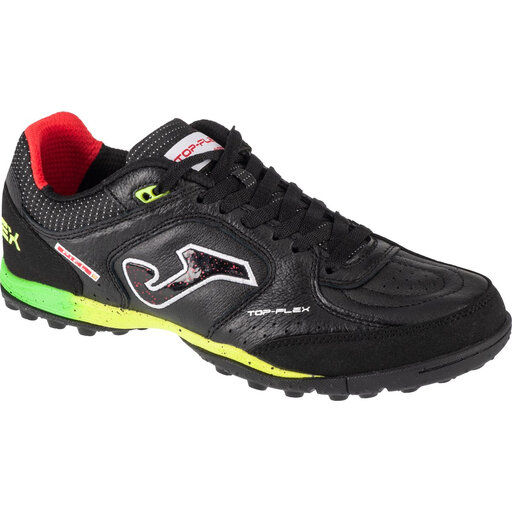
Why this model stands out: This variant in the Top Flex line uses a sturdy upper made of synthetic material and textile. It is designed for players who want a robust and low-maintenance boot that can withstand the demands of regular play on artificial turf. The lightweight design supports fast and agile movements.
Key features:
Who is it for? Footballers who prefer a durable, reliable, and easy-to-maintain boot. Ideal for players who want the performance of the Top Flex line but prefer a synthetic upper.
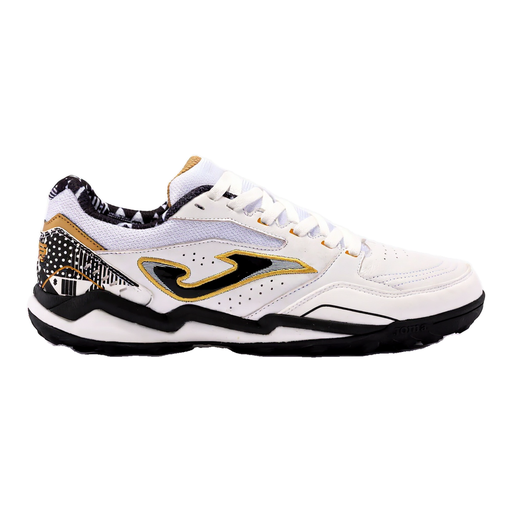
Why this model stands out: The FS Reactive is focused on performance through advanced cushioning technology. The boot features a dual-density midsole. The lower layer (Foam Reactive) absorbs impact, while the upper layer (Phylon) provides stability. According to Joma, this makes the boot both cushioned and responsive.
Key features:
Who is it for? Competitive players looking for maximum cushioning and responsiveness. A great choice for those who want to minimise impact on their joints during intense matches on hard artificial turf fields.
The right boot is a personal choice. If the models above don't quite match what you're looking for, or if you're curious about other types of sports shoes, you can explore more options.
Explore more in our baseball shoes category
AG (Artificial Grass) boots typically have slightly longer, hollow or conical studs designed for newer generations of artificial grass with longer blades. TF (Turf) boots, like the Joma turf boots discussed, have many small rubber nubs (multi-studs) and are ideal for the more common, shorter-bladed turf fields and other hard surfaces like gravel.
Although the rubber sole is durable and suitable for occasional use on the street, these boots are specifically designed for grip on artificial turf. Frequent use on asphalt will cause the multi-studs to wear down faster, reducing their effectiveness on the pitch.
For models with a leather upper, like the Joma Top Flex, it is recommended to remove dirt with a dry cloth after use. Periodically use a special leather cream to keep the material supple. If the boots get wet, remove the insoles and let them dry at room temperature, away from a radiator or direct sunlight.
