
Vandaag of morgen in huis

Kwaliteit gegarandeerd

Welkomstaanbiedingen ontgrendelen: GRATIS bezorging | Tot 80% korting | Gratis 30 dagen JoyPlus-proefperiode
Download de app
If you regularly play on artificial grass, you know that the right boot is the difference between a perfect first touch and a slip. The market for Joma artificial grass football boots is vast, but how do you choose the model that truly suits your game and the surface? Many players fall for marketing hype or pick a boot that becomes unusable after just a few months.
Before you make a decision, it's wise to understand the most common pitfalls:
To avoid a bad purchase, focus on the specifications that truly matter. These are the three non-negotiable points for your next pair of Joma football boots.
The sole is the foundation of your boot. Joma uses clear codes to indicate the type of surface.
The material of the upper directly impacts your ball control and comfort.
Playing on hard surfaces demands more from your body. Pay attention to the technology in the midsole.
Based on these objective criteria, we have matched several Joma models to specific player profiles.

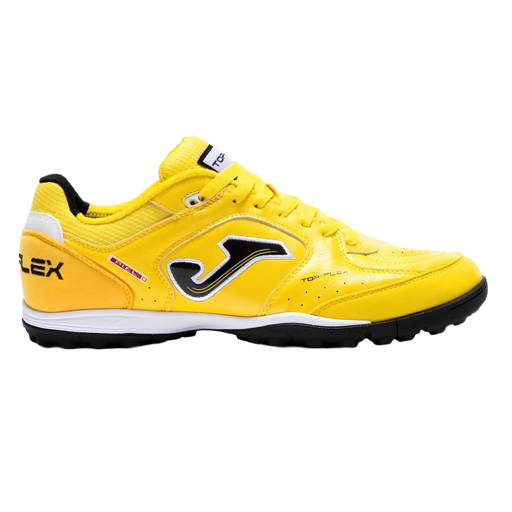
Why it's a match: Ideal for the player who values a classic ball feel and maximum flexibility. Perfect for those who switch between games on an artificial pitch and indoors (although an IN sole is optimal for indoors, the TF sole provides sufficient grip on many indoor surfaces for recreational use).
This boot bypasses the 'material pitfall'. The supple Fibratec leather moulds to your foot for instant comfort and ball control, unlike stiff synthetic alternatives.
The combination of a flexible leather upper and PULSOR gel cushioning offers both ball feel and comfort on hard surfaces.
Why it's a match: For the fast, agile player who trains and plays on modern artificial grass pitches. Its light weight supports quick actions, while the synthetic material withstands the wear and tear of artificial grass.
This model focuses on practical performance instead of marketing hype. It delivers what it promises: a lightweight design for speed and a durable upper for a long lifespan.
The durable synthetic upper offers excellent wear resistance and is easy to maintain, while the high-grip TF sole guarantees stability.
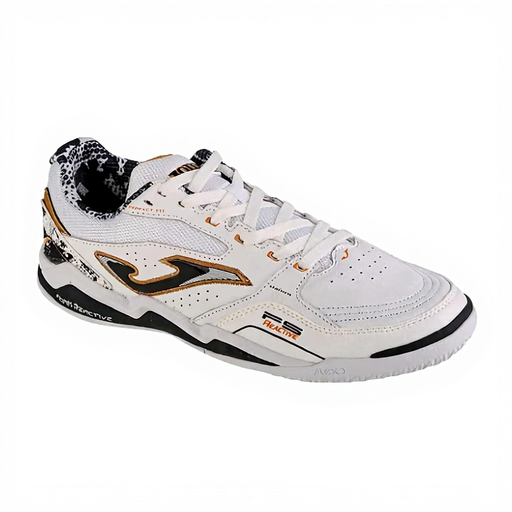
Why it's a match: Specifically designed for the dynamic and fast-paced nature of indoor football. The boot is light, breathable, and offers the reactivity needed for abrupt movements on a flat surface.
This model directly tackles the 'wrong sole' pitfall. The IN sole is specifically made for indoor floors, which prevents slipping and does not damage the court.
The Reactive sole technology enhances grip and responsiveness, while the breathable mesh and synthetic upper keeps feet cool and dry.
We have compiled a complete, up-to-date list of products that fully meet these strict selection criteria and EU guidelines.
The main difference lies in the design and function of the sole. A TF sole has multiple small, rubber studs designed for grip on synthetic surfaces like artificial grass and turf. An IN sole is flat and made of non-marking rubber for maximum grip on smooth, flat indoor courts. Using the wrong sole can lead to reduced performance and an increased risk of injury.
Leather boots require a bit more care to keep them in good condition. After use, clean the boots with a damp cloth to remove dirt and mud. Let them air dry at room temperature, but never near a radiator or in direct sunlight, as the heat can dry out the leather and cause it to crack. Occasionally use a special leather conditioner to keep the material supple.
Joma is known for producing boots with a relatively comfortable fit. In particular, leather models like the Joma Top Flex have the ability to mould to the shape of your foot over time, making them a good option for players with slightly wider feet. Synthetic models have a more fixed fit. It is always advisable to check the size chart and consider going half a size up if you are between sizes.
