
Online retailer with shiny jewellery
You film rings, necklaces or bracelets on a fixed tabletop and want to manage distracting reflections. Nikon and Shopify highlight diffusion and reflections as factors to consider when filming shiny products.


For small pieces of jewellery filmed on a fixed tabletop, a light tent is a sensible starting point if diffuse, enclosed lighting matters more than easy access. A separate studio light gives you more freedom to position the light source, while a compact light is best suited to shoots on the move. Test reflections, colours and flicker with your camera, and check the space, power supply and documentation for the exact Netherlands-market version before choosing.
You film rings, necklaces or bracelets on a fixed tabletop and want to manage distracting reflections. Nikon and Shopify highlight diffusion and reflections as factors to consider when filming shiny products.
You want to show different metals and gemstones clearly, so you need to be able to control the lighting setup and white balance. Adobe explains how white balance affects colour rendering.
You regularly move your filming setup and need to balance power and mounting options against the space available for diffusion. SmallRig and Ulanzi describe portable lights designed for setups like these.
For jewellery demonstrations, your choice mainly depends on reflections, colour control, consistent video and how you plan to position the light.
Best suited to: filming small pieces of jewellery on the same tabletop each time, using an enclosed, diffuse setup.
Bear in mind: the opening and interior need to accommodate the product, your hands and the camera.
Best suited to: placing the light outside the frame or regularly changing the filming angle.
Bear in mind: you’ll need space for the light and a suitable light modifier. Also check the connection and which accessories are included.
Best suited to: filming in different locations or using a compact setup.
Bear in mind: a small light source can create a prominent reflection on shiny metal. Consider whether you’ll need additional diffusion.
| Factor to consider | What to look for | Who should pay particular attention? |
|---|---|---|
| Reflections and access | Check the opening and interior of a light tent, or consider how you could position a diffusion panel with a separate light. | For a fixed tabletop setup, I want to reduce reflections without trapping my hands or camera. Around 33% of consumers put reflection control first. |
| Colour of metals and gemstones | Compare the colour-rendering specifications for the exact light version and take a test shot with a fixed white balance. | When I show gold, silver and gemstones, I want to assess their colours under the same lighting setup. Around 27% of consumers put colour control first. |
| Consistent video | Test the light at the intended dimming level, frame rate and shutter speed. Check that your camera offers the settings you need. | I want to film demonstrations without visible bands or fluctuations in brightness. Around 20% of consumers prioritise consistent video. |
| Setup and power | Check the power supply, mounting options and stated operating time. Also find out whether you’ll need a tripod or light modifier separately. | If I film in different locations, I want to match the power supply and mounting options to the space available. Portability and suitable mounting are deciding factors for around 20% of consumers. |
With reflective jewellery, the size and position of the visible light source affect the reflection. A brightness rating alone won’t tell you how the jewellery will look on camera.
Set up a test with diffusion and check that there’s enough room for your hands and camera. Depending on the setup you choose, you may need an additional light modifier.
Banding can result from the combination of the light source and camera settings. A stated light or colour rating doesn’t prove that your footage will be free from banding.
Test the intended dimming level, frame rate and shutter speed before choosing a light. If needed, adjust the settings in line with your camera manufacturer’s guidance.
Different versions may come with different accessories, and a softbox may be optional. This affects what else you’ll need to buy to create your planned setup.
Compare the contents of the exact version on offer with what you need, including the power supply, mounting options, diffusion and tripod.
The statutory cooling-off period for consumers doesn’t automatically apply to a business purchase; different warranty rules apply to business buyers.
Before paying, check whether you’re buying as an individual or a business, and which terms and conditions apply to your purchase.
Foldio light tents are designed for tabletop photography of small products. The Foldio3 has built-in dimmable LED strips.
The 100x S is a separate bi-colour studio light for anyone who wants to choose their own light modifier and light position.
The SL60IIBi is a separate, adjustable light with a Bowens mount for compatible light modifiers.
The RC 60B Lite Edition is designed for a portable setup, with a built-in battery.
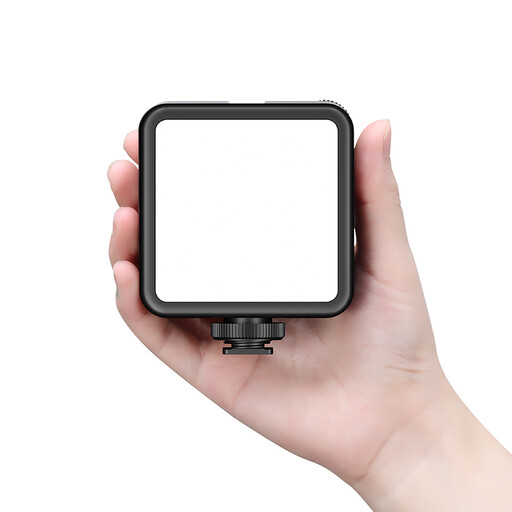
The VL81 is a compact video light that can be mounted on a camera or used in a small tabletop setup.
This selection includes portable video lights and separate studio lights for filming jewellery. Reflections will depend on the light’s position and whether you use diffusion. Electrical lights placed on the market in the Netherlands are subject to applicable European safety rules. Where CE marking is required, the manufacturer must affix it and draw up an EU declaration of conformity, according to Ondernemersplein, the Dutch government’s business information portal. Check this for the exact version.
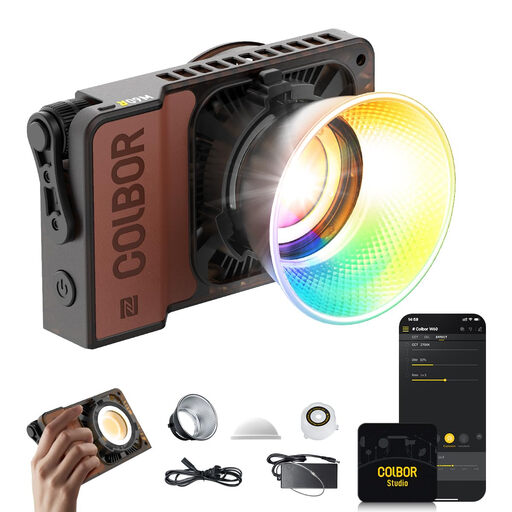 No image available
The listing describes this light as suitable for a portable video setup. Consider diffusion separately if reflections on the jewellery are a concern.
60 W, RGB, continuous lighting and a stated weight of 345 g.
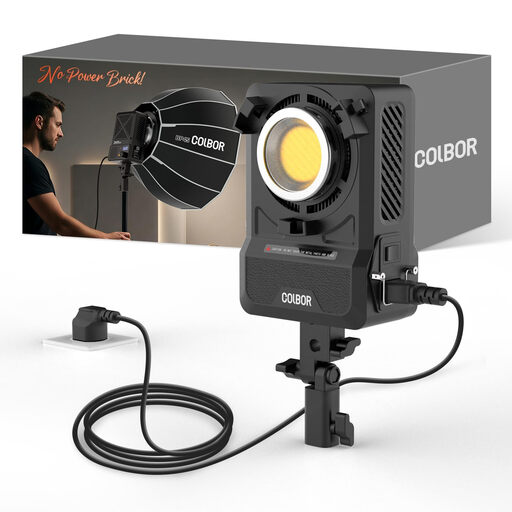 No image available
Suitable for a fixed studio setup where you want to use a separate light modifier. Check whether one is included with this version.
200 W, bi-colour adjustment from 2700–7000 K and a Bowens mount. The listing states CRI/TLCI 96+.
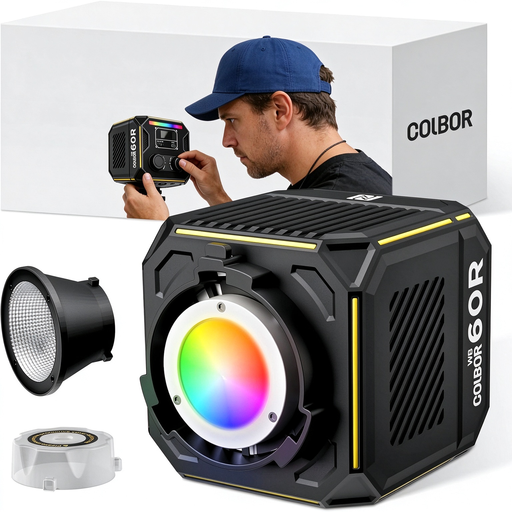 No image available
The built-in battery is useful for filming in different locations. Check in advance that you can meet the stated power requirements.
60 W, 59 Wh, RGB, bi-colour adjustment from 2700–6500 K and stated CRI 96+. For battery power, the description specifies a 60 W PD charger rated at 20 V/3 A and the included USB-C to USB-C cable.
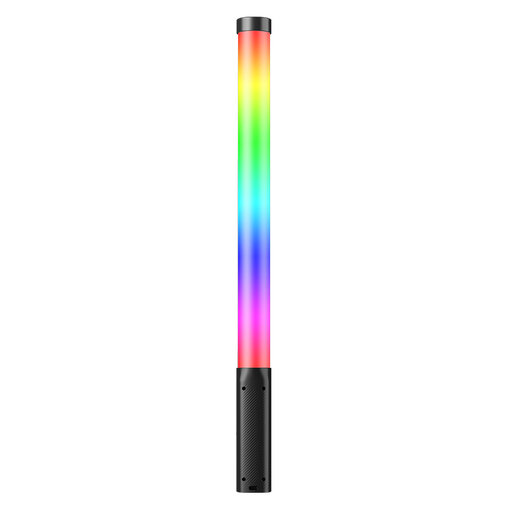 No image available
A compact light wand for portable setups. Check that its shape and mounting options suit the camera angle for your demonstration.
10 W, 2500–9000 K, CRI 95 and a 1/4-inch mount. The listing states a weight of 202 g and a maximum run time of 60 minutes at full brightness.
 No image available
The compact light suits a small camera or tabletop setup. It won’t replace a larger, diffuse light source when reflection control matters.
Rechargeable LED video light with stepless brightness control and a cold shoe mount. Ulanzi lists a colour temperature range of 3200–5500 K for the VL81.
To film a demonstration continuously, you need a light that stays on while you record. Nikon describes using flash units in a light tent for still photography, so for video you’ll need to compare continuous lighting options.
Test the light with your own dimming level and camera settings. For filming under flickering lights in a 50 Hz power region, Sony lists 1/50 or 1/100 second as possible shutter speeds; the effect and available settings vary by camera.
No. Don’t rely on the stated CRI rating alone. Compare the colour-rendering data for the exact model, set the white balance for the lighting you’re using and compare a test shot with the real piece of jewellery.
Electrical equipment is subject to applicable European safety rules. Where CE marking is mandatory, the manufacturer must affix it and draw up an EU declaration of conformity. Check this for the exact light and version, as advised by Ondernemersplein, the Dutch government’s business information portal.
This partly depends on the capacity in which you’re buying. According to information from the Dutch government, a business buyer isn’t automatically entitled to the statutory consumer cooling-off period. For an eligible online consumer purchase, the government generally states a 14-day cooling-off period.