
Vandaag of morgen in huis

Kwaliteit gegarandeerd

Welkomstaanbiedingen ontgrendelen: GRATIS bezorging | Tot 80% korting | Gratis 30 dagen JoyPlus-proefperiode
Download de app
Buying a new necklace for women might seem straightforward, until you discover the length isn't comfortable, the pendant quickly tarnishes, or several chains become tangled together. The same goes for a jewellery box or jewellery organiser – the product photo can often make the interior layout look more spacious than it actually is.
When you're searching for jewellery accessories, it pays to look beyond just colour and style. Material, dimensions, clasp type and care requirements largely determine whether a product suits daily wear, a special occasion, or works well as a gift.
Terms like pearl necklace, zirconia necklace or natural stone necklace can cover a range of different constructions. Always check whether the description mentions real pearls, imitation pearls, natural stone, copper, silver or a plating. A product with a pearl-like appearance isn't automatically made from natural pearls.
The VoxorAI XL25 models, for example, explicitly state that they use imitation pearls and that the pendant is made from copper. This gives you a much clearer picture of the product than simply relying on the name "pearl necklace".
A necklace measuring around 43 to 45 cm sits differently from a 40 cm model or an adjustable chain of 41 to 48 cm. Also check the dimensions of any storage item. A jewellery tray measuring roughly 35 × 24 × 3.5 cm takes up more space on a dressing table or in a drawer than a compact jewellery box.
With a pendant necklace, pay attention to the size and weight of the pendant too. A very lightweight design can be ideal for subtle everyday wear, whereas a larger piece demands more consideration of the clasp and overall comfort.
An open tray doesn't automatically prevent chains from tangling. For rings, ring rolls are handy, while earrings benefit from fixed slots or separate compartments. A deep drawer is more practical for longer necklaces and larger accessories.
Store your jewellery in a dry place and, ideally, keep each piece separate. Contact with perfume, cosmetics, sea water, swimming pool water and cleaning products can damage the surface or any coating. This is especially true for jewellery with plating, copper or imitation pearls.
First, look at which material is mentioned in the product information. A silver necklace, for instance, should clearly state whether it is silver, S925 silver or another type. The Verbex S925 Silver Necklace mentions S925 silver and a plating process. That is verifiable information, but it doesn't necessarily tell you how long the finish will stay looking the same in your particular usage.
With a zirconia necklace, it's useful to distinguish between the stone, the metal base and the finish. The VoxorAI models with natural stone mention a geometric pendant, a cross-shaped chain and a length of approximately 41 to 48 cm. The description also covers care of the coating. Use such details to compare products, without making assumptions about medical properties or skin sensitivity.
For everyday wear, a suitable length matters more than a flashy product name. A necklace of 43 to 45 cm suits many necklines, but the final position also depends on the shape of the chain and the garment you're wearing.
Also check the type of clasp. A magnetic clasp can be practical for quick fastening, while an adjustable design gives you more flexibility for different outfits. With a natural stone necklace offering a length range of 41 to 48 cm, you can adjust the fit more easily than with a fixed size.
A jewellery organiser needs to suit your collection. Look out for:
The JORDAN&JUDY organiser has three removable layers. According to the product description, the top layer features ring rolls, there is a middle tray for earrings and bracelets, and a deeper section at the bottom for necklaces and larger pieces. The exterior and interior are lined with velvet. Don't overfill the box, as the pressure can strain the clasp.
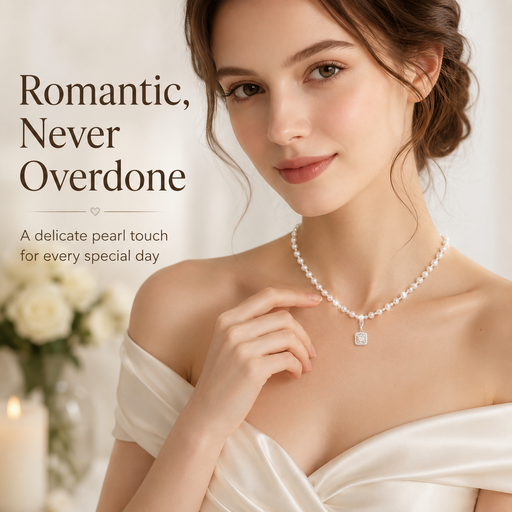
Why this fits the profile: The white colour and U-shaped, geometric design are easy to pair with everyday clothing. The necklace has a circumference of approximately 43 to 45 cm.
The product information clearly states imitation pearls of approximately 4 to 10 mm and a copper pendant. This means you don't have to rely on a vague "pearl necklace" label.
Imitation pearls, a geometric shape and a stated length of approximately 43–45 cm. According to the description, care involves wiping with a soft cloth.
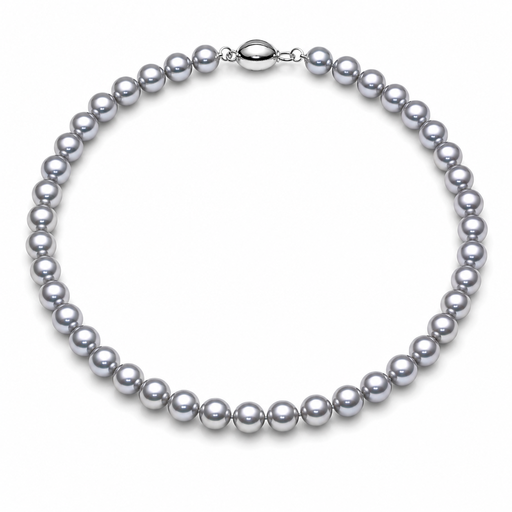
Why this fits the profile: The dark grey colour, pearls of approximately 10 mm and magnetic clasp suit those who care about finish and clear product specifications.
The description lists material, size, colour, length and clasp separately. This makes comparing much easier than a vague label like "luxury necklace".
Pearl material, approximately 10 mm beads, a magnetic clasp and a length of roughly 43–45 cm.

Why this fits the profile: This compact jewellery box is designed for multiple types of jewellery and can be used at home or on the go.
The three removable layers separate rings, earrings, bracelets, necklaces and larger pieces. This helps with jewellery storage without throwing everything into one compartment.
Velvet interior, ring rolls, a deep bottom compartment, press-stud closure and a foldable design for travel.
We've put together a full, up-to-date list of products that fully meet these strict selection criteria and comply with current European safety regulations.
The lifespan depends on the material, finish, how often you wear it and how you care for it. Only put a necklace on after you've applied perfume, moisturiser and make-up. Avoid swimming, showering, exercising and contact with cleaning products if the product description advises against it.
After wearing, wipe your jewellery with a soft, dry cloth. For pearls or imitation pearls, do not use an ultrasonic cleaner, strong acids or alkaline products. Store a necklace separately in a sealed pouch or compartment, so that sharp parts don't rub against other pieces.
For a jewellery tray made from PU leather, the product information usually states that a dry or slightly damp cloth is sufficient. Avoid harsh cleaning agents and direct heat. This keeps the organiser tidy and usable without any complicated setup.
Use a separate compartment or a jewellery box with a deep section. Don't lay longer chains loosely on top of rings and earrings. Fasten the necklace before storing it, and regularly check the chain or clasp for signs of wear.
Choose a jewellery organiser with fixed slots or small individual compartments. An open jewellery tray works well if you wear earrings daily, while a closed jewellery box offers more protection from dust during longer storage periods.
The price mainly depends on the material, size, closure and number of compartments. So don't just compare the price – also compare the dimensions, the layout and whether the organiser is suitable for your rings, earrings, necklaces and bracelets.
