
Vandaag of morgen in huis

Kwaliteit gegarandeerd

Welkomstaanbiedingen ontgrendelen: GRATIS bezorging | Tot 80% korting | Gratis 30 dagen JoyPlus-proefperiode
Download de app
Jelly sweets look cheerful, are easy to take with you and suit all sorts of occasions – from a children's party to a snack on the go. However, fruit jelly, fruit gums, jelly cups and konjac jelly can differ considerably in terms of ingredients, portion size and convenience. Colourful packaging does not always tell you enough about what you are buying.
So pay particular attention to these three common pitfalls:
For parties, treats and a sweet jar, larger packs are practical. The Haribo Starmix Tub 1kg contains a variety of shapes, including gummy bears, rings, hearts, cola sweets and foam sweets. The packaging states that it contains 40 portions of 25 grams. This makes the tub suitable for sharing, but bear in mind that the product contains 342 kcal and 47 grams of sugar per 100 grams.
Individually wrapped products, such as jelly sticks, are easier to take with you. They also remain divided into individual portions. COZZO Fruit Jelly Sticks contain 12 sticks weighing 20 grams each, for a total of 240 grams. ABC jelly sticks are available in larger 1-kilo packs, making them suitable for keeping in stock, treats or group use.
When buying Asian sweets, always check:
Haribo Starmix contains gelatine and beeswax, among other ingredients. Nerds Gummy Clusters contain gelatine; the 45-gram variant explicitly lists pork gelatine. These products are therefore not suitable for a vegan diet and may be less suitable for consumers who eat halal.
COZZO states that none of the 14 major EU allergens are present. However, the product information warns that colourings E102 and E129 may, according to the product listing, affect activity and attention in children. Always check the product packaging before serving it.
If you are looking for ordinary fruit sweets or fruit gums, you will often find a higher sugar content. According to the product information, ABC Fruit Jelly Sticks contain 65 grams of sugar per 100 grams. ABC Animal Friends Jelly Straw Jar lists 20 grams of sugar per 100 grams and 88 kcal per 100 grams.
Low-calorie jelly is a different product category. Depending on the flavour, Jelly B Konjac Jelly contains around 1.6 to 10 kcal per 100 millilitres. The products contain konjac, sweeteners and acidity regulators, among other ingredients. DELIEF Vegan Collagen Konjac Jelly Mango lists 5 kcal per 100 grams. “Vegan collagen-like peptide” is a product description; it is not a reason to associate the product with medical or health benefits.
When it comes to sweeteners, consider your personal preferences and follow the instructions on the label. Store opened sachets, cups and drinkable jelly according to the packaging, and consume them promptly.
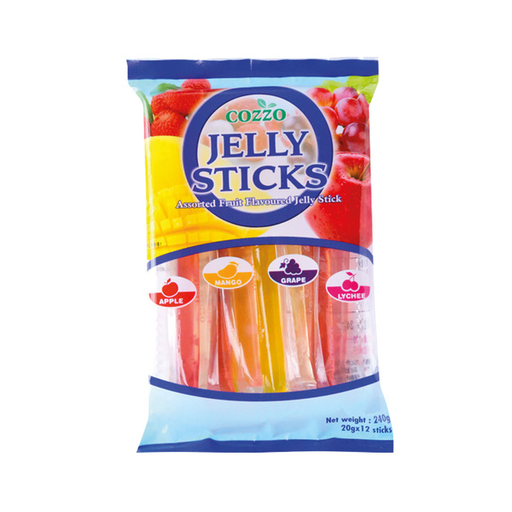
Why it suits this profile: The 12 individually wrapped sticks offer a convenient way to try different fruit flavours without immediately buying a large quantity.
The portions are pre-divided, so you are less likely to need a large open bag. The ingredients list states that none of the 14 major EU allergens are present.
240 grams in total, four fruit flavours and individual wrapping for lunchboxes, travel or treats.
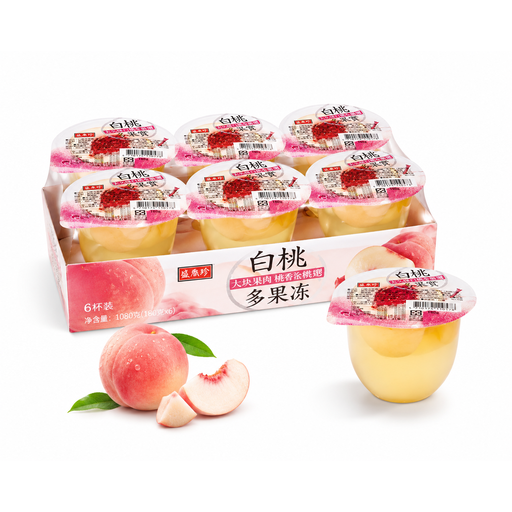
Why it suits this profile: This Taiwanese fruit jelly comes in six individual 180-gram cups and, according to the product information, contains 8% white peach.
The fruit percentage is clearly stated, making it easier to compare the product description with those of other jelly cups.
Six portions, pieces of white peach and a nutritional value of 75 kcal per 100 grams.
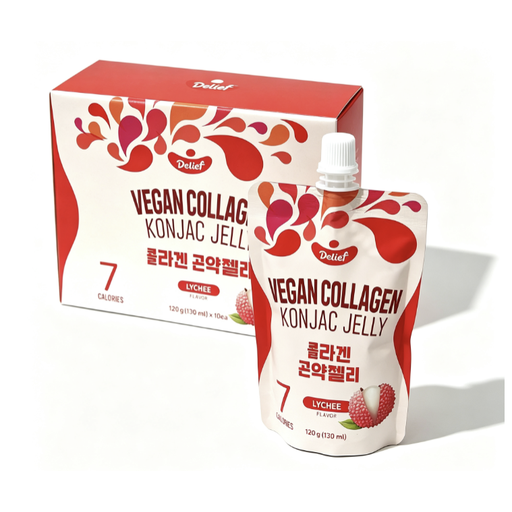
Why it suits this profile: The multipack of ten sachets is designed for anyone who regularly takes a konjac snack with them or wants to keep several flavours and portions at home.
The nutritional information lists 4 kcal per 100 grams and the product information describes the product as vegan and halal. Check the packaging if you have allergies or specific dietary requirements.
Ten 120-gram portion packs, lychee flavour and 0 grams of sugar per 100 grams according to the product information.
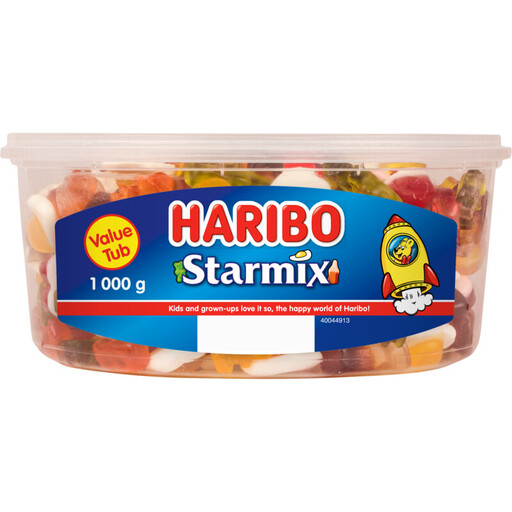
Why it suits this profile: The large mix is practical for a sweet jar, birthday, games night or several family members with different preferences.
The contents and portion information are clearly stated. This helps you estimate in advance how much sweet treat you need and what constitutes a portion.
1 kilo of mixed fruit gums and foam sweets, with 40 stated portions of 25 grams.
We have compiled a complete, up-to-date list of products that fully meet these strict selection criteria and the applicable European safety regulations.
Use this quick check before placing your order:
No. Fruit gums are usually firmer and are often made with gelatine or other gelling agents. Jelly sticks and jelly cups generally have a softer, smoother texture. The ingredients list determines exactly what type of product you are buying.
Konjac jelly is a soft jelly snack made with konjac powder, often combined with carrageenan or other thickeners. Some varieties are low in calories and use sweeteners. Check the nutritional information, ingredients and usage instructions for each product.
Store unopened products according to the label, usually in a cool, dry place away from direct sunlight. An opened cup or pouch should generally be consumed immediately or stored in the fridge. Do not use a pack if the seal is damaged, and follow the warnings on the label.
