
Vandaag of morgen in huis

Kwaliteit gegarandeerd

Welkomstaanbiedingen ontgrendelen: GRATIS bezorging | Tot 80% korting | Gratis 30 dagen JoyPlus-proefperiode
Download de app
Jelly sweets might seem simple to compare, but the differences between soft sweets, konjac jelly, fruit jelly and mochi sweets are significant. Some packs are designed for sharing, while others contain individual portions for on the go. Terms like “fruit”, “light”, “vegan” and “gluten-free” also don’t tell the whole story.
When buying jelly snacks online, it’s worth checking the label and portion size first. That way, you can avoid paying for packaging that’s mostly empty, a disappointing flavour, or a product that doesn’t suit your dietary choices.
A pack showing mango, grape or lychee may contain mostly flavouring, colourings and a small amount of juice. Always check the ingredients list. Ingredients are listed in descending order by quantity. For example, Strong Konjac Jelly states a minimum fruit content of 40% per flavour. With COZZO Fruit Jelly Sticks, the stated juice content varies from 0.5% to 1% depending on the flavour.
You’ll notice that difference in taste and price. If you’re mainly after a sweet treat, fruit gums or wine gums could be a good choice. If fruit juice content matters more to you, compare the product specifications.
Always check the nutritional information per 100g and per portion. Jele Light-Grape states 37 kcal and 8.4g of sugar per 100g. The Hethstia konjac varieties list very low energy values, but contain sweeteners such as erythritol. That might be a relevant choice for some shoppers, while others prefer to avoid regular sugar.
A low-calorie snack is still a snack, though. Don’t let health claims replace reading the full ingredients list.
A 800g jar might look appealing for a party, but it’s less practical if you want to keep your jelly sweets fresh or take portions with you. Individually wrapped sticks or pouches are handy for school, work, travel and lunchboxes. Just bear in mind waste, storage and how long they last once opened.
First, check whether the product suits your diet:
Jelly sweets can be soft, springy, firm or sticky. Konjac jelly usually has a smooth, bouncy texture and is often eaten straight from a pouch. Mochi sweets consist of a soft rice dough layer with a filling. That’s a different eating experience from fruit gums or soft wine gums.
Follow the instructions on the pack. Eat jelly slowly and while sitting down, especially with young children. Always check the allergens on mochi sweets too: Royal Family Mochi Creamy Coconut lists soya, while Yuki & Love Mochi Mango mentions possible traces of gluten, peanuts, soya, nuts and sesame.
A portion size makes comparison easier. Autodrop Vegan Cadillacs states that 25g is roughly five sweets. Orihiro Golden Pineapple comes in six portions of 20g each. Hethstia and other konjac jellies are sold per pouch.
Also pay attention to storage:
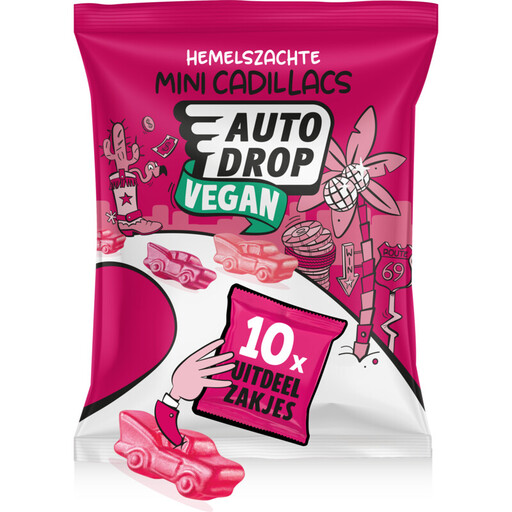
Why this fits the profile: A familiar choice if you want to try standard soft wine gums without buying a large stock straight away.
The contents, portion breakdown and nutritional values are clearly stated. The product information also mentions vegan and gluten-free.
200g, three fruit flavours and roughly ten portions of 20g.
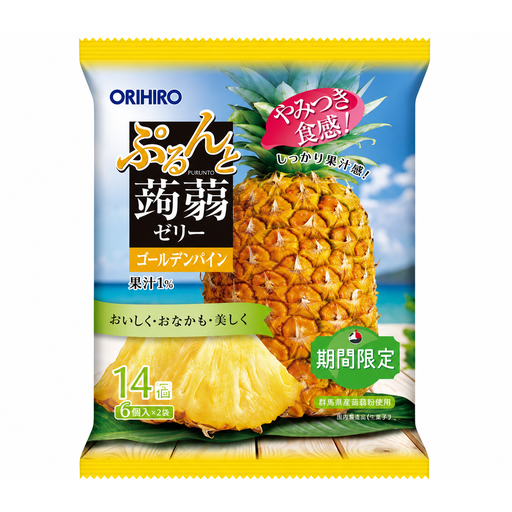
Why this fits the profile: A compact Asian jelly with a distinctive pineapple flavour and six individual portions.
The nutritional values are listed per 20g portion: 14 kcal and 3.5g carbohydrates.
Six individual jelly portions, konjac powder in the ingredients list and a clear pineapple flavour.
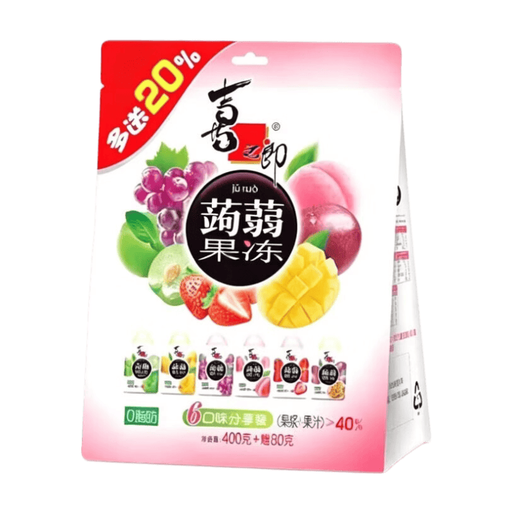
Why this fits the profile: Handy for families, parties or enthusiasts who want to keep several flavours on hand.
The pack lists six flavours and a minimum fruit content of 40% per variant, making comparison easier.
480g total, six fruit flavours and ready to serve chilled.
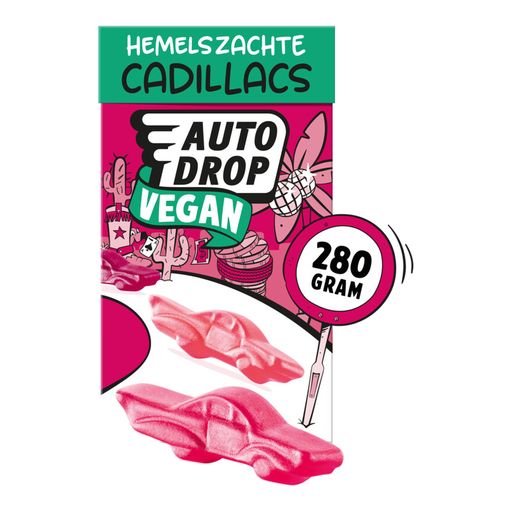
Why this fits the profile: Ideal if you want soft Dutch-style sweets while also choosing vegan and gluten-free options.
The product information states vegan, gluten-free and natural colourings and flavourings. Check the current packaging if you have allergies.
280g, three fruit flavours and 338 kcal per 100g according to the product information.
We’ve put together a full, up-to-date list of products that fully meet these strict selection criteria and comply with current European safety regulations.
No. Konjac jelly contains konjac powder as a gelling agent and often has a smooth, springy texture. Fruit gums and wine gums are usually made with ingredients such as sugar, syrup, starch or other gelling agents. Check the ingredients list to tell the difference.
Store dry sweets in a cool, dry place and seal the pack tightly. According to the product information, an opened jelly pouch often needs to be kept refrigerated and consumed within one to two days. Always follow the instructions on the pack.
That varies by product. Autodrop Vegan Cadillacs is listed as vegan and gluten-free. Mochi sweets may contain soya, gelatine or possible traces of gluten. Always check the current ingredients and allergen information before you order.
