
Vandaag of morgen in huis

Kwaliteit gegarandeerd

Welkomstaanbiedingen ontgrendelen: GRATIS bezorging | Tot 80% korting | Gratis 30 dagen JoyPlus-proefperiode
Download de app
Fruit jelly is popular as a chilled dessert, a snack or a party treat. Yet many packs look more alike than their contents would suggest. One jelly might be a soft fruit gel in a cup, while another is a firm konjac jelly in a sachet. Nata de coco jelly, black grass jelly and fruit pudding also fall into this broad category.
If you buy without reading the label, you could end up with a product that’s too sweet, has an unexpected texture or contains fewer portions than you thought. Use these practical checks to make a more informed choice.
A pack showing mango, grapes or mandarin doesn’t automatically mean it contains much fruit. Check the ingredients list and look for terms such as fruit juice, fruit purée, fruit pieces or a stated percentage. For example, SHENG XIANG ZHEN Mandarin Orange Fruit Jelly lists 5% fruit juice. That gives you more information than just a picture of oranges on the pack.
Also look out for the difference between fruit flavour and actual fruit ingredients. A product may consist mainly of water, sugar, thickening agents and flavourings.
Classic fruit jelly is usually smooth and soft. Konjac jelly often has a firmer, springier bite. Nata de coco jelly contains small, chewy cubes of coconut gel. Fruit pudding, by contrast, may be creamier and can sometimes contain milk.
Texture isn’t just a matter of taste. For products in small sachets or cups, it’s important to follow the instructions on the pack. ORIHIRO, for example, advises you to gently squeeze the jelly out of the sachet and chew it thoroughly. Don’t let young children eat products like these unsupervised.
A box containing 6, 8 or 16 portions may seem like good value, but check the weight per cup or sachet. A family pack of 16 cups is handy for a party, while six 150-gram portions may suit a smaller household better. Also check whether spoons are included and whether the product needs to be chilled before serving.
Start by reading the full ingredients list. Look out in particular for:
Product information may change between packs. Always check the current label, allergen information and storage instructions before eating.
Individual jelly cups or sachets are handy when you’re out and about. For a family or guests, multipacks of individual portions are more practical than one large pack. According to the product description, Cocon Nata de Coco & Cubes contains 6 cups, weighing 708 grams in total. The family box with 16 cups contains 1280 grams and is intended for sharing, lunchboxes and parties.
A ready-to-eat dessert usually just needs to be opened. Dr. Oetker Jelly Pudding Strawberry, on the other hand, is a powder that needs to be mixed with boiling water and left to set. It’s a different purchase from a ready-to-eat Asian jelly.
Origin can help you identify the type of product, but it isn’t an automatic measure of quality. The range includes Japanese jelly, Thai jelly, Malaysian nata de coco pudding and Vietnamese black grass jelly.
Before you order, check:
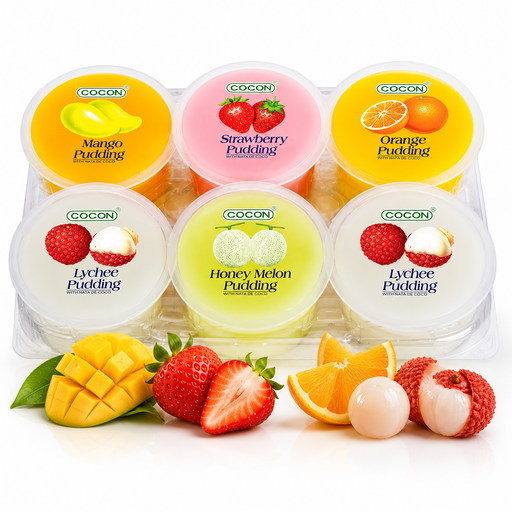
Why it suits this profile: Six individual portions make this an easy way to try fruit pudding and nata de coco jelly, without having to buy a large family pack straight away.
The weight per portion is clearly stated as 80 grams. This makes it easier to compare the quantity with a larger pack sold as a single item.
6 x 80 grams, mixed fruit flavours and, according to the product description, ready to eat and serve chilled.
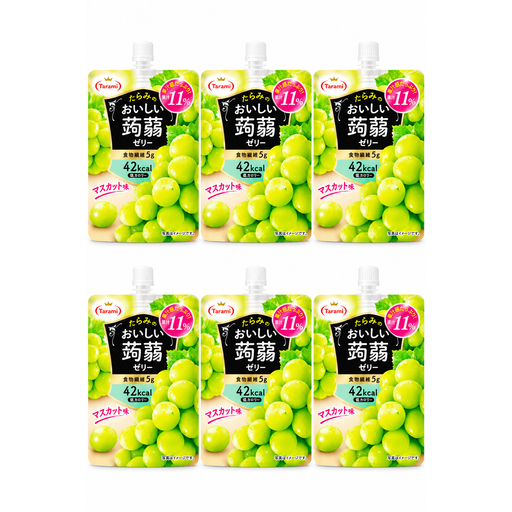
Why it suits this profile: For anyone specifically looking for a Japanese konjac jelly with a firm, springy texture and muscat grape flavour.
The product description lists the ingredients, including konjac powder, sweeteners and muscat grape juice. This lets you check what’s in it before you buy.
A pack of 6 portions weighing 150 grams each, made in Japan, with a texture that’s clearly different from soft pudding.
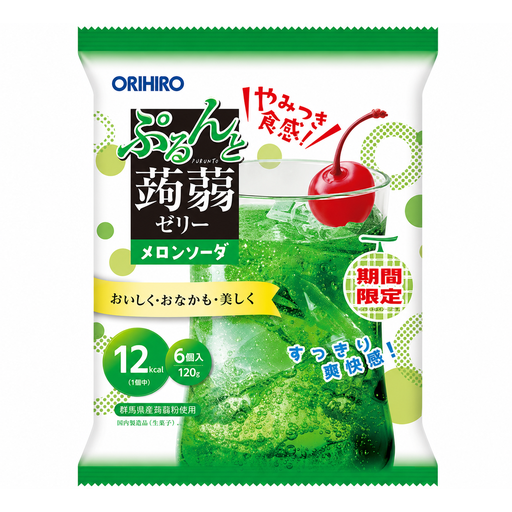
Why it suits this profile: A targeted choice for fans of Japanese jelly and melon soda who want a compact multipack.
The product details list the portion information and ingredients. This helps you distinguish a sweet, fizzy-drink flavour from a fruit pudding with pieces.
6 portions, 120 grams each and a pronounced melon flavour with konjac powder.
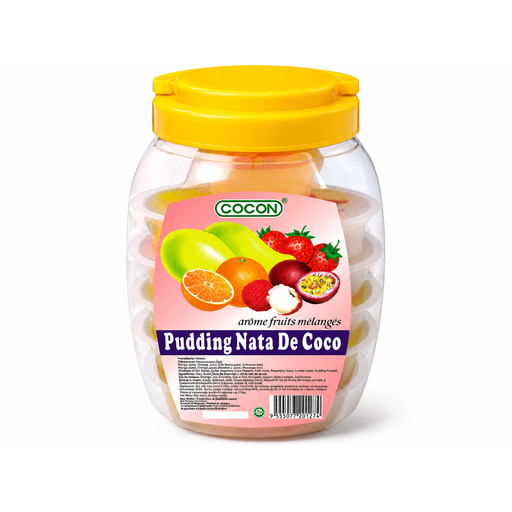
Why it suits this profile: The 16 individual cups, with spoons, are handy for birthdays, families, lunchboxes and snacks throughout the week.
The number of cups and total weight are clear upfront: 16 x 80 grams, with different fruit flavours in one pack.
Mango, strawberry, lychee, orange, passion fruit and honeydew melon; spoons included according to the product description.
We’ve put together a full, up-to-date list of products that meet these strict selection criteria and the applicable European safety requirements.
No. Fruit jelly refers to a broad range of gel desserts. Nata de coco is coconut gel, usually added in small, firm cubes. Nata de coco jelly therefore often combines smooth pudding with a chewy texture.
It depends on the product. Many packs can be stored in a cool, dry place while unopened, although the manufacturer may recommend chilling them before serving. Once opened, follow the instructions on the label and refrigerate the product if advised.
Always check the age and safety information on the pack. Konjac jelly can be firm and slippery. Some products therefore advise you to gently squeeze the jelly out of the sachet and chew it thoroughly. Supervise young children and don’t let them swallow the jelly whole.
