
Listeners disturbed by household noise
You want to follow quieter jazz passages even when you can hear things like ventilation or conversations. The type of noise in your home can affect what you can expect from ANC.


For listening to jazz in a noisy home, closed-back over-ear headphones with ANC are worth considering if persistent background noise drowns out quieter passages. A closed-back wired model may be enough if passive isolation does the job. Sony says ANC works best with constant low- to mid-frequency sounds, so it won’t necessarily silence voices. Open-back headphones are better suited to quieter listening sessions.
You want to follow quieter jazz passages even when you can hear things like ventilation or conversations. The type of noise in your home can affect what you can expect from ANC.
You listen closely to instruments and different recordings, and want to assess the sound using familiar tracks, while also considering the isolation your listening space calls for.
You wear your headphones for extended periods and want to consider fit and controls, as well as battery life for wireless models.
Start with the noise you want to reduce at home, then compare jazz playback, fit and connectivity against your own listening habits.
Choose this when: persistent household noise drowns out quieter passages and you want rechargeable headphones.
The trade-off: Sony says ANC works best with constant low- to mid-frequency sounds; changing voices may still be audible.
Choose this when: you listen in one place, have a suitable connection and find passive isolation sufficient.
The trade-off: you won’t need to charge a battery, but there’s no active noise cancellation.
Choose this when: you also listen when the house is quiet and want open-back earcups for comparing recordings.
The trade-off: open-back earcups aren’t designed to block out household noise; don’t turn the music up to drown it out.
| What to consider | What to look for | Who is this important for? |
|---|---|---|
| Reducing household noise | Compare the fit and the same quiet passage against the sounds that bother you at home. Sony says ANC works best with constant low- to mid-frequency sounds. | If ventilation or conversations drown out quieter passages, I want to know how well the earcups seal and what ANC does to that noise. Around 36% of consumers prioritise noise reduction. |
| Assessing jazz recordings | Listen to the same source and a familiar track at a comfortable volume. If you’re comparing ANC models, use the same listening mode. | I want to assess instruments and quieter details using recordings I know well, rather than relying on a single specification. Around 29% of consumers give jazz sound quality top priority. |
| Comfort during long sessions | If possible, try the model during a typical listening session, wearing glasses if you use them; check for pressure around your ears and head. | When listening for a long time, I want my headphones to stay comfortable, even with my glasses on. Around 21% of consumers prioritise wearing comfort. |
| Connectivity and everyday use | Check the connections on your audio source, which cables are included and, for wireless models, the battery life in the listening mode you plan to use. | I want my headphones to work with my audio source and suit the way I use them every day. Around 14% of consumers give connectivity and ease of use top priority. |
Voices and changing sounds around the home may still be audible, even when ANC is switched on.
First, work out which sounds bother you and compare how well the headphones reduce them. Also consider how well they block noise passively.
Open-back earcups won’t give you the isolation you’re looking for if household noise masks quieter jazz passages.
Save an open-back model for quieter listening sessions, and compare closed-back models for noisier moments.
The WH-1000XM6 is worth comparing if you’re looking for closed-back wireless over-ear headphones with ANC and the option to use a cable.
Compare the wireless MOMENTUM 4 Wireless with ANC for noisy moments and the wired, open-back HD 560S for quieter ones.
The ATH-M50x is a closed-back wired headphone worth comparing if you want passive isolation.
The Px7 S3 is another wireless ANC over-ear model to compare for its features and how well it matches your own listening preferences.
This Joybuy selection focuses on closed-back over-ear headphones with active noise cancellation for comparing at home. Also consider connectivity, controls and how long you plan to wear them.
 No image available
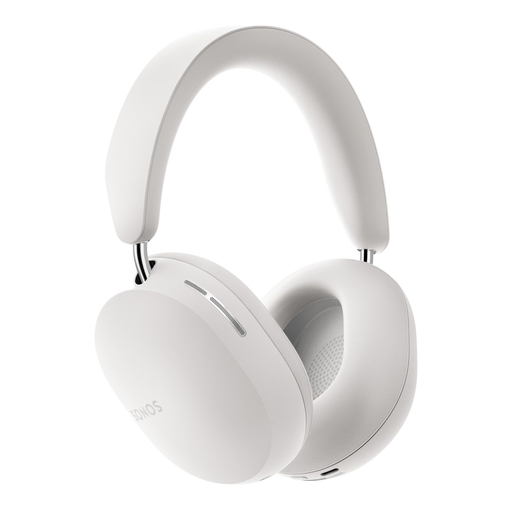
These closed-back wireless over-ear headphones are worth comparing if you want to use ANC at home to reduce persistent background noise.
Sennheiser lists EQ, a transparency mode and up to 60 hours of playback. The product information also mentions a 3.5 mm audio cable.
 No image available
These closed-back over-ear headphones with active noise cancellation are worth comparing at home if you sometimes want to hear the sounds around you too.
The product information mentions EQ adjustment, an Aware mode, and included USB-C and 3.5 mm cables.
 No image available
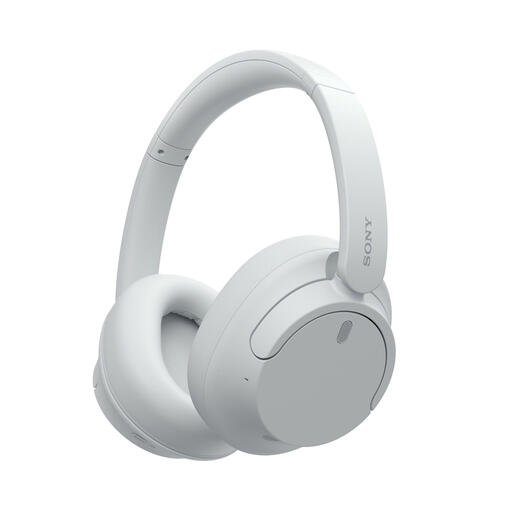
These wireless noise-cancelling headphones are worth comparing if household noise drowns out quieter passages.
Sony lists LDAC, the ability to connect to two devices at once and up to 30 hours of battery life with ANC switched on.
 No image available
These wireless Bluetooth headphones with ANC are worth comparing if you listen in a noisy environment.
Sony lists 20 levels of noise cancellation via the app and multipoint connectivity.
 No image available
These headphones with active noise cancellation and a wired listening option are worth comparing against the noise in your home and your audio source.
The product information mentions a detachable cable with USB-C and 3.5 mm connectors. No charger is included; the recommended charger is 1.8–2.5 W, and PD fast charging is not supported. The information also mentions magnets and advises people with a medical implant to consult a doctor beforehand.
Not necessarily. Sony says ANC works best with constant low- to mid-frequency sounds; conversations change and may remain audible. So compare the headphones with the sounds you actually hear at home.
Use the same audio source and familiar tracks, listen at a comfortable volume and compare ANC models in the same listening mode. The Consumers’ Association (Consumentenbond) includes jazz in its headphone tests and assesses sound quality, noise reduction and comfort separately.
No. Don’t try to drown out background noise by turning the volume up. The WHO recommends well-fitting headphones and, if needed, noise cancellation to reduce the need to listen at a higher volume. The WHO gives an average of 80 dB for up to 40 hours a week as an example for adults; volume, duration and frequency all matter.
Check that your audio source has the connection you need, that the cable you want is included and that you can use wireless headphones in your preferred listening mode. Also check the fit of the ear cushions, as this affects both comfort and how well they seal.
When you buy online from a business, you generally have a 14-day cooling-off period, with some exceptions. You’re also entitled to a product that meets legal requirements. According to the Dutch government, there is no fixed term for the statutory warranty in the Netherlands; if a product is faulty, you should contact the seller.