
Jazz listener on long bus journeys
You want to follow instruments and vocals at a comfortable volume, reduce engine rumble and wear your headphones comfortably for longer periods.


Over-ear headphones with noise cancellation are a good choice if you listen for long periods and want to hear less engine rumble; earbuds are worth considering if you want something compact to carry and find them comfortable to wear. Compare the sound with a familiar jazz recording, check the battery life with noise cancellation switched on, and try out how to let in ambient sound. A specification alone cannot tell you how a model will sound or feel to wear.
You want to follow instruments and vocals at a comfortable volume, reduce engine rumble and wear your headphones comfortably for longer periods.
You’re looking for something easy to carry and want to check whether snug-fitting earbuds remain comfortable on a longer journey.
You want to be able to let in ambient sound easily while listening, or take off your headphones when you need to hear something.
A good choice if: you listen for long periods and mainly want to reduce low engine rumble.
Bear in mind: the extra space they take up in your bag, and how comfortable the ear cushions and headband feel.
A good choice if: compactness is your priority and the earbuds form a comfortable seal.
Bear in mind: the fit and the earbuds’ own playback time, separate from any extra charge in the case.
| What to consider | What to look for | Who should consider this? |
|---|---|---|
| Jazz sound | Compare a familiar recording at a similar volume and try the available equaliser settings. | I want to follow instruments and vocals comfortably without turning up the volume. Around 25% of consumers say jazz sound is their main concern when buying. |
| Less engine rumble | Compare the noise cancellation and check that the fit feels comfortable. | If the bus rumble drowns out my music, I want to reduce it without turning the volume up. Around 25% of consumers say reducing bus noise is their top priority. |
| Comfort on the journey | Try the headband and ear cushions, with glasses if you wear them; for earbuds, test different sizes. | I want to wear my headphones for longer periods without pressure or an uncomfortable fit becoming a distraction. Long-lasting comfort is the top priority for around 20% of consumers. |
| Hearing announcements | Test how to use ambient mode and how easily you can take your headphones off. | I want to be able to react quickly if an announcement is made or someone speaks to me. Around 15% of consumers give hearing their surroundings top priority. |
| Space and battery life | Compare how compact the headphones are when folded, and check battery figures using the same noise-cancelling setting. | If I have little room in my bag or can’t charge while travelling, I want to know in advance what I can take and how long I can listen for. Compactness and journey length are the main concerns for around 15% of consumers. |
Battery figures can be based on different settings. Sony quotes up to 30 hours for the WH-1000XM6 with noise cancellation on, and up to 40 hours with it off.
Compare figures using the same setting and charge your headphones before you set off.
Noise cancellation can reduce ambient sound, but it doesn’t tell you how a pair of headphones will reproduce a jazz recording.
Assess sound quality and comfort separately, and keep the volume at a sensible level.
A name or image alone doesn’t confirm that a product variant and its included accessories match what you’re looking for.
Before ordering, check the full model name and what’s included on the product page.
Sony offers both over-ear headphones, the WH-1000XM6, and the sealing WF-1000XM5 earbuds.
The MOMENTUM 4 Wireless is an over-ear option for comparing sound settings and quoted battery life.
The Tune 770NC is a foldable over-ear option with an adjustable equaliser and switchable ambient sound.
The Space One is a foldable over-ear option for comparing foldability and battery life with noise cancellation on.
This selection includes over-ear headphones and in-ear earbuds with noise cancellation for travelling. Compare the fit, how to use ambient mode and battery figures for the usage conditions that suit your journey.
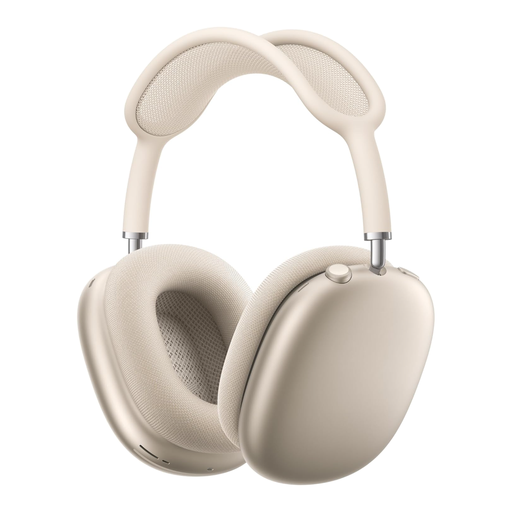 No image available
An over-ear option if noise cancellation and the ability to adjust the sound matter to you.
The product description mentions active noise cancellation, transparency and EQ settings via the Sonos app.
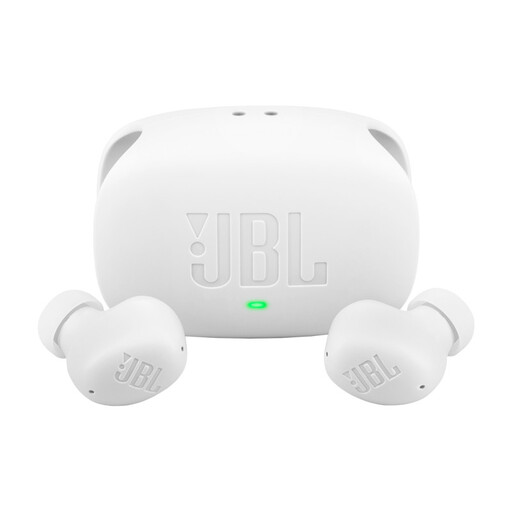 No image available
In-ear earbuds for anyone looking for a compact listening option, with the ability to let in ambient sound when needed.
The product description mentions active noise cancellation, Smart Ambient, adjustable EQ and a total quoted playback time of 40 hours with noise cancellation off.
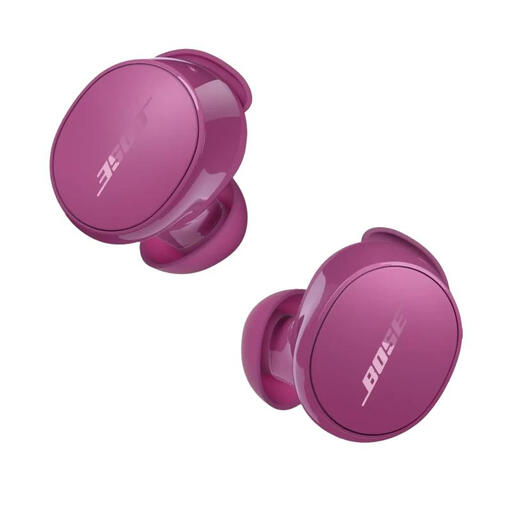 No image available
A compact in-ear option if you want to combine noise cancellation with a mode that lets in ambient sound.
The product description quotes up to 8.5 hours on a single charge and up to 31.5 hours with the charging case. Fit is a personal matter.
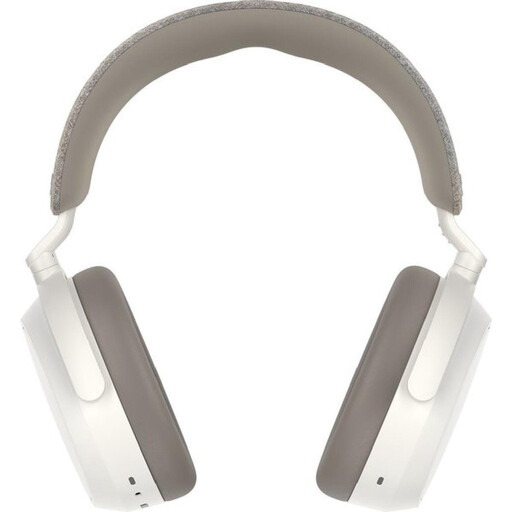 No image available
An over-ear option if you want to compare sound settings and be able to let in ambient sound during your journey.
The product title quotes 60 hours of battery life. The product description mentions adaptive noise cancellation, a transparency mode, EQ, presets and sound modes. It also lists an included 3.5mm cable and passive use.
 No image available
An over-ear option if you want to switch between a noise-cancelling mode and one that lets in ambient sound.
The product description quotes up to 24 hours of playback with noise cancellation and 18 hours with TrueSpatial Immersive Audio. It also mentions Quiet Mode, Aware Mode and lossless audio via USB.
Noise cancellation can reduce low engine rumble in particular, but the effect varies by model and fit. The Consumers’ Association (Consumentenbond) recommends considering independent test results and fit.
Choose comfortable, well-sealing headphones or earbuds, keep the volume low and take listening breaks. The World Health Organization gives the example of a maximum of 40 hours a week at an average level of 80 dB, compared with four hours at 90 dB; this is health guidance, not a product specification.
Charge your headphones, pair them in advance and try ambient mode before you set off. Compare the quoted battery life with noise cancellation on; if you want to listen using a cable, check that the connection is compatible with your playback device.
For distance purchases, a 14-day cooling-off period applies in many cases, according to the Dutch government. Your statutory rights if a product is faulty are separate from a commercial manufacturer’s warranty; check who the seller is and how returns and repairs are handled.
The European Commission explains that the EU Radio Equipment Directive sets requirements covering health and safety, electromagnetic compatibility and the use of radio spectrum, among other things. According to the European Union, a CE mark indicates that the manufacturer declares the product complies with the applicable EU rules; check the information for the exact version.