
Vandaag of morgen in huis

Kwaliteit gegarandeerd

Welkomstaanbiedingen ontgrendelen: GRATIS bezorging | Tot 80% korting | Gratis 30 dagen JoyPlus-proefperiode
Download de app
Jasmine rice is popular with fans of Thai and Asian cuisine, but the differences between bags of rice are not always immediately obvious. Eye-catching packaging, words such as “AAA” or “premium”, and a significant price difference do not, by themselves, say much about the cooking experience.
The most important factors usually concern origin, texture, packaging and frequency of use. Anyone who looks only at the price per kilo may end up buying too much rice, while a small pack can actually work out more expensive when used every day. Use the following checks to compare Thai jasmine rice, Cambodian jasmine rice and other fragrant rice varieties in a practical way.
Basmati and jasmine rice are both long-grain varieties, but they behave differently after cooking. Jasmine rice is generally softer and slightly stickier, while basmati often remains drier and more separate. President Basmati Rice Golden Sella, for example, is a parboiled basmati product, not jasmine rice. According to the product description, this rice is intended for dishes including biryani and pilaf.
That does not make basmati unsuitable for Asian dishes, but it does make it different from Thai jasmine rice. Always check the type of rice on the label.
Words such as “fragrant”, “perfume” and “premium” often refer to how the product is positioned. They are not uniform European quality standards. Instead, look for verifiable information:
According to brands’ own information, a product may have a particular aroma, flavour or texture. Treat this as a product claim and compare it with the ingredients list and preparation instructions, rather than seeing it as a guaranteed result in every kitchen.
An 18, 20 or 21 kg pack can be appealing for a family, meal prepper or catering business. However, rice absorbs moisture and odours from its surroundings if the bag is left open. Store jasmine rice in a cool, dry place away from direct sunlight. Once opened, an airtight food storage container is practical.
Also pay attention to the difference between the product name and the net weight. Product information may sometimes mention several weights or alternative pack sizes. Always check the current product page and the physical label before buying.
Thai jasmine rice often has a soft texture and a distinctive aroma. Thai Hom Mali rice is a specific designation that you may see on the packaging. Check whether Thailand is listed as the country of origin and whether the product information is clear.
Cambodian jasmine rice can also become fragrant and soft, but its characteristics vary by brand, harvest and processing method. A product such as Orchidee Premium AAA Jasmine Long Grain Rice is, according to the product description, sourced in Cambodia and contains 100% Cambodian long-grain rice.
Vietnamese ST25 rice is another interesting option. This long-grain rice from Vietnam is described as fragrant in the product information. Its texture can work well in rice bowls, as a side dish and in everyday meals, but it remains a different variety from Thai jasmine rice.
Jasmine rice often works well with curry, stir-fries and grilled dishes thanks to its soft, slightly cohesive texture. For nasi goreng or fried rice, a drier, cooled preparation can be more suitable. Rinse the rice according to the label and use the stated water ratio. This ratio varies by brand and cooking method.
A product description may, for example, recommend one cup of rice with one to one and a half cups of water. This is a guideline, not a universal rule. A rice cooker, saucepan, the age of the rice and your preferred level of softness all affect the result.
Compare more than just the total price. Also consider the price per kilo, available storage space and how quickly you expect to use the rice.
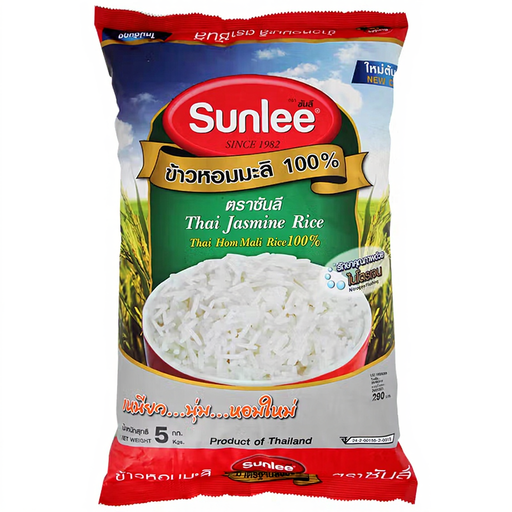
Why it suits this profile: The 5 kg bag is a manageable size for a household that eats rice regularly, without having to store a large catering-size pack straight away.
The product information lists Thailand as the origin, a 5 kg pack and 100% long-grain jasmine rice. This makes the type and quantity of rice easier to verify.
Thai origin, long-grain rice and a reusable 5 kg bag according to the product description.
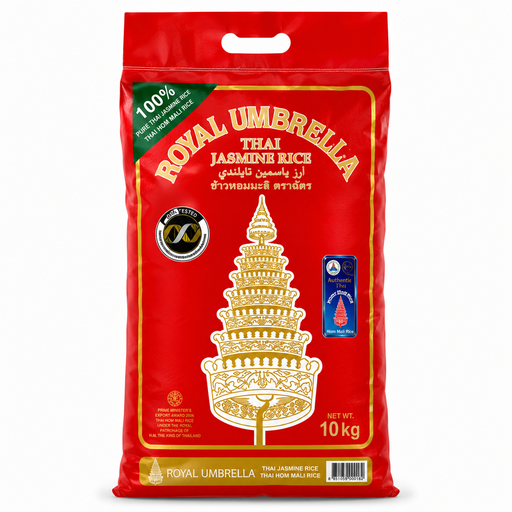
Why it suits this profile: Anyone who values a clear origin and a Hom Mali designation gets a medium-sized pack for everyday cooking and larger meals.
The product page states 100% Thai Hom Mali jasmine rice, Thailand as the country of origin and a net quantity of 10 kg.
Thai Hom Mali specification, 10 kg contents and a soft, fragrant result according to the product description.
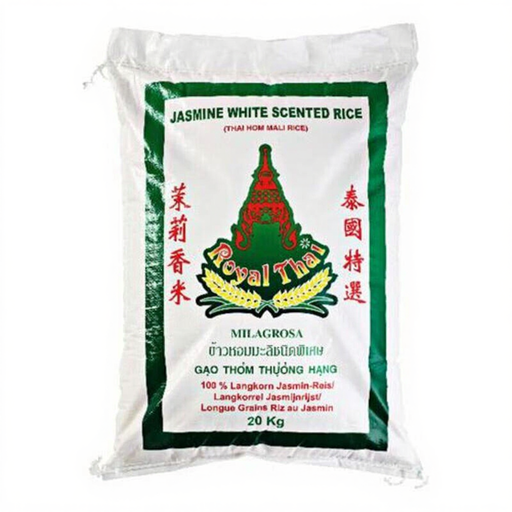
Why it suits this profile: The 20 kg bag is suited to restaurants, caterers, large families and meal preppers who regularly use rice in Asian dishes.
The net weight and intended uses for catering and high-volume consumption are clearly stated. This allows you to assess your storage space and rate of consumption in advance.
20 kg contents, fragrant Thai long-grain rice and, according to the product description, suitability for everyday use and catering.
We have put together a complete, up-to-date list of products that fully meet these strict selection criteria and the applicable European safety regulations.
Store an opened bag in a well-sealed container, preferably in a dry food cupboard. Always check the ingredients, allergen information, best-before date and preparation instructions on the packaging before use. Online product information may differ from the current label.
Rinse the rice if recommended on the packaging. Do not leave cooked rice at room temperature for an extended period. Cool leftovers quickly and store them in the fridge in line with standard food safety advice.
In Dutch shops, the terms are sometimes used interchangeably, but check the official product name and ingredients list. Jasmine rice generally refers to a fragrant long-grain rice, while “pandan” may be used informally to describe the aroma. The packaging determines which type of rice has actually been sold.
For a main course, allow approximately 75 to 100 grams of uncooked rice per person. The exact amount depends on the side dishes, appetites and whether the rice is served as the main component or as a small portion. For high-volume use, a 10, 18 or 20 kg pack is only practical if you use rice regularly.
Too much water, insufficient rinsing or overcooking can make rice stickier. Start with the ratio given on the packaging, leave the rice to rest for a few minutes after cooking and adjust the amount of water in small increments. Different brands and harvests can produce different cooking results.
