
Vandaag of morgen in huis

Kwaliteit gegarandeerd

Welkomstaanbiedingen ontgrendelen: GRATIS bezorging | Tot 80% korting | Gratis 30 dagen JoyPlus-proefperiode
Download de app
Want to buy jasmine rice, but unsure whether to choose a 1, 5, 10 or 18 kg bag? The price per kilo alone is not enough to make the right decision. Grain type, origin, cooking texture and storage requirements all determine whether the rice suits your household, recipe or professional kitchen.
Jasmine rice is often marketed as fragrant rice with a soft, slightly sticky texture. However, not all products are the same. Terms such as “premium”, “AAA” or “restaurant quality” should always be assessed alongside the actual product specifications. According to product information from some brands, these terms may refer to selected grains or a particular processing method; they are not a universal guarantee of a consistent cooking experience.
An 18 kg or 20 kg bag of rice can be practical for a large family, restaurant or caterer. For a smaller household, however, such a pack can quickly become inconvenient once opened. Rice absorbs moisture and odours from its surroundings, so it needs to be sealed properly.
Check the following:
Thai jasmine rice and pandan rice are often used in similar dishes, but their product descriptions and origins may differ. Basmati rice typically has a longer, looser grain and works particularly well in biryani and pilaf. Sushi rice is a short-grain rice that becomes noticeably stickier after cooking. Sticky rice is intended for dishes where strong cohesion is required, such as desserts, dumplings or steamed preparations.
A bag labelled “aromatic” or “fragrant” is therefore not automatically suitable for every recipe.
Terms such as “premium”, “superior” or “restaurant quality” only become meaningful when supported by verifiable details. Pay particular attention to:
According to brands’ own product information, certain rice varieties may become soft, fluffy or aromatic after cooking. Treat this as the supplier’s product description and compare it with the grain type, origin and recommended preparation method.
Jasmine rice is generally a long-grain white rice that becomes soft and slightly sticky during cooking. This makes it well suited to Thai curries, stir-fries, grilled meat, fish and everyday rice bowls.
If you prefer separate, fluffy grains, basmati rice may be a better choice. For sushi, maki and onigiri, choose a product specifically labelled sushi rice. Sticky rice often requires soaking and steaming; standard jasmine rice is not a direct substitute.
Origin can help distinguish between products, but it is not in itself proof of quality. The range includes rice products from Thailand, Cambodia, China, Japan and the United States. Always check the packaging, as product information and origin may vary by variant.
Golden Naga Cambodian Jasmine Rice 18 kg lists Cambodia as its country of origin. Golden Naga Premium Thai White Jasmine Rice 4.5 kg lists Thailand as its origin. The 5 kg Royal Tiger Gold variant refers to both Thai jasmine rice and Cambodia as the origin in its product information; therefore, check the label on the bag upon delivery.
For households, 5 kg rice and 10 kg rice are often convenient pack sizes. A 4.5 kg pack can serve a similar purpose. For restaurants, caterers and foodservice businesses, 18 kg rice, 20 kg or another bulk pack may offer logistical advantages, provided that suitable storage is available.
Also look out for inconsistencies in online product titles. A product name may state one weight while the additional information lists a different quantity. Always check the net quantity on both the product page and the packaging.
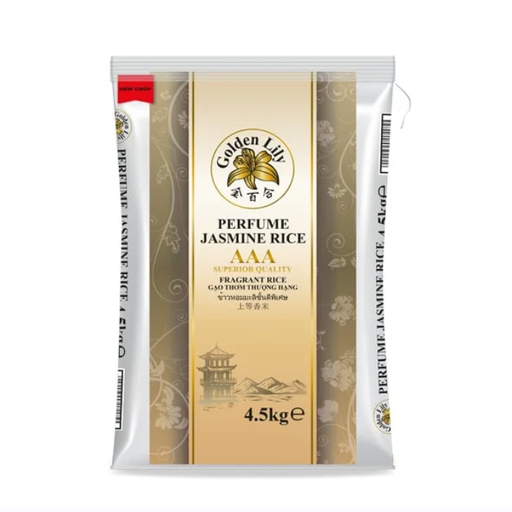
Why This Fits Their Persona: A practical family-size bag for people who use rice every day but do not want to store a very large supply.
The quantity is clearly stated, and the product description mentions use for everyday rice dishes and porridge. Check the bag upon delivery and store it in a dry, sealed container.
4.5 kg pack; rice listed as the ingredient; suitable for a range of everyday preparations.
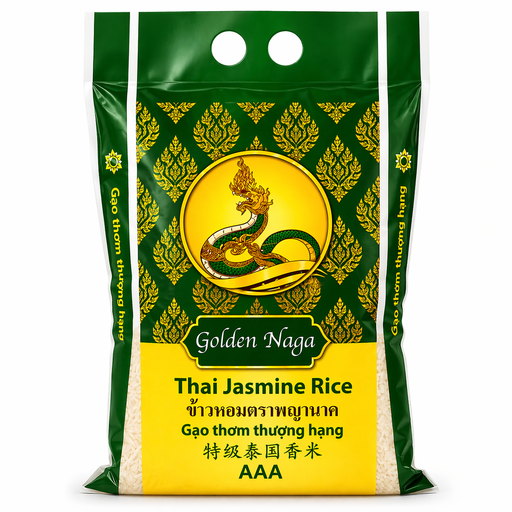
Why This Fits Their Persona: A natural fit for households that regularly serve curries, stir-fries and fried rice.
The product information specifies the variety, origin, quantity and cooking ratio. This makes it easier to assess the Thai jasmine rice claim against concrete product details.
100% jasmine rice according to the product information; 4.5 kg pack; cooking instructions with a simmering time of 10–15 minutes.
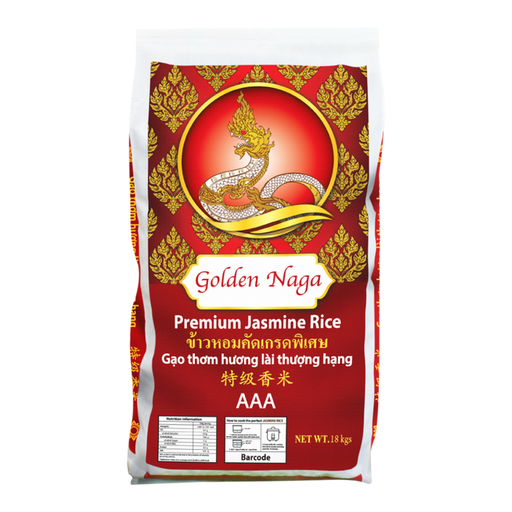
Why This Fits Their Persona: Designed for restaurants, caterers and large households that go through substantial quantities of Asian rice.
The large format makes consumption per delivery easy to plan. Arrange suitable storage in advance and transfer the rice to a sealed container after opening.
18 kg net quantity; Cambodian origin according to the product information; 100% white rice listed as the ingredient.
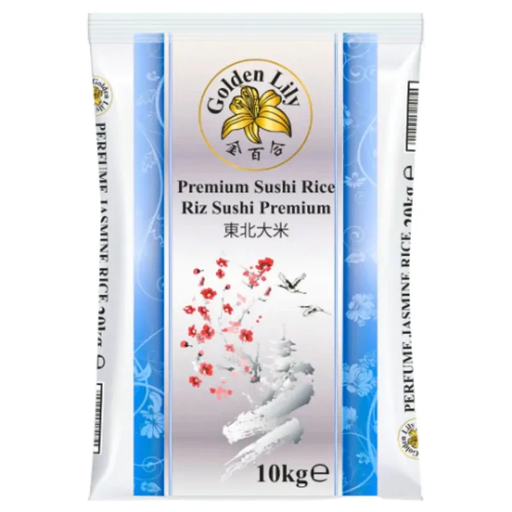
Why This Fits Their Persona: Suitable for restaurants, caterers and home cooks who regularly prepare maki, uramaki or onigiri.
The rice is explicitly described as short-grain sushi rice. This helps you avoid using standard long-grain jasmine rice in a recipe that requires greater stickiness.
10 kg bulk pack; short grain; according to the product description, suitable for makizushi, uramaki and onigiri.
Browse a current selection of rice products and compare varieties, pack sizes and applications before placing your order.
Rinse the rice before cooking according to the instructions on the packaging. This removes excess starch and helps you achieve the desired texture. The precise water ratio varies by product, saucepan and rice cooker. Use the cooking instructions on the bag as your starting point.
Store opened rice in an airtight container in a cool, dry place, away from direct sunlight, heat and moisture. Do not use the rice if the packaging is damaged or if you notice any visible irregularities. The best-before date is printed on the packaging.
No. The names are sometimes used interchangeably in Dutch shops, but check the rice variety and product description carefully. Jasmine rice is generally a fragrant long-grain rice with a soft, slightly sticky texture. Its specific characteristics may vary by brand and origin.
A 5 kg pack is often a convenient choice for regular household use. If you eat a lot of rice or cook for several people, consider a 10 kg pack. An 18 kg bag makes sense primarily when you have sufficient storage space and can use the supply within a reasonable period.
This is generally not recommended if you want sushi’s characteristic sticky texture. Choose a product clearly labelled sushi rice or short-grain rice instead. For desserts or steamed sticky rice dishes, a separate pack of sticky rice is more suitable.
