
Vandaag of morgen in huis

Kwaliteit gegarandeerd

Welkomstaanbiedingen ontgrendelen: GRATIS bezorging | Tot 80% korting | Gratis 30 dagen JoyPlus-proefperiode
Download de app
Anyone who regularly prepares Asian meals will quickly notice that small bags of rice can be inconvenient and relatively expensive. A large pack of jasmine rice weighing 18 or 20 kg may therefore seem like the logical choice. However, not every large bag is automatically suitable for your kitchen. Poor storage, unclear provenance or confusion between jasmine rice and other types of rice can lead to waste.
This guide helps households, restaurants, caterers and other high-volume users compare large packs objectively.
An 18 or 20 kg bag takes up space and must be stored in a dry place. In a damp cellar, next to a heat source or somewhere exposed to direct sunlight, the quality may deteriorate more quickly. Check beforehand that you have a cool, dry and sealable place to store it.
After opening, it is practical to transfer the rice into clean, airtight storage containers. This limits exposure to moisture and contamination. Always check the physical packaging too. Do not use a bag if it is damaged.
Words such as “AAA”, “premium” and “fragrant” do not, in themselves, tell you how much rice you will receive, where it comes from or how it turns out after cooking. So look at:
The weights shown in some product titles and descriptions may also not correspond exactly. Therefore, check the product page and the label on the packaging before ordering.
Jasmine rice is an aromatic long-grain rice that is generally soft and slightly sticky after cooking. Basmati usually has longer, drier and more separate grains. Sticky rice, such as glutinous rice, is a separate type of rice with a much stickier texture.
Jasmine rice is often a good choice for curries, stir-fries and rice bowls. Basmati may be more suitable for biryani. Sticky rice may be needed for desserts, rice cakes or certain traditional dishes. So do not look only at the packaging; match the type of grain to the dish.
Thai jasmine rice, Thai Hom Mali, Cambodian jasmine rice and Vietnamese fragrant rice are not automatically identical. The origin can affect the aroma, grain and texture, but batches can also vary within the same type.
For example, a product described as Thai Hom Mali will state Thailand as the origin and list 100% Thai Hom Mali Jasmine Rice as the ingredient. Cambodian variants generally state 100% Cambodian jasmine rice or white rice. Use this information as a basis for comparison, and do not treat brand claims about taste or quality as independently proven facts.
When comparing 20 kg jasmine rice, do not look only at the total price. Divide the price by the number of kilograms and take the following into account:
For a restaurant or caterer, a large bag can be practical when stock is used quickly. A household that eats rice only a few times a month may be better off choosing a smaller pack to avoid long-term storage.
Follow the instructions on the label, as the ratio of rice to water varies by product and cooking method. Some descriptions recommend approximately one cup of rice to two cups of water; others give a one-to-one ratio. Use the product instructions as a starting point and adjust them if necessary to suit your pan, rice cooker and preferred texture.
Rinse the rice when advised on the packaging. Do not leave cooked rice at room temperature for extended periods, and store leftovers in accordance with standard food safety guidance.
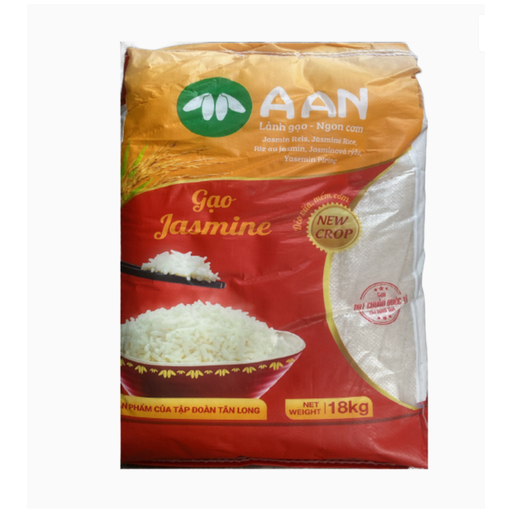
Why it suits this profile: The 18 kg pack is suitable for households that prepare rice regularly and are looking for a straightforward bulk pack. The product information states Vietnam as the country of origin and includes cooking instructions.
The weight, ingredients and nutritional values are clearly stated. This makes it easier to compare than relying solely on brand names or quality labels.
18 kg net weight, rice as the ingredient and clear cooking instructions in the product description.
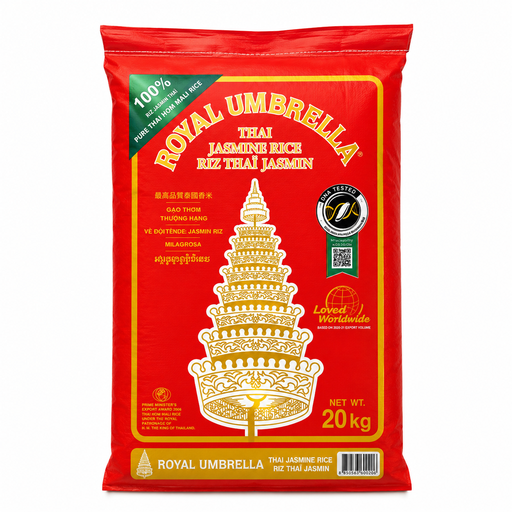
Why it suits this profile: This large bag is intended for those specifically looking for Thai Hom Mali and who value a clearly defined rice type for Asian dishes.
The product description states 100% Thai Hom Mali Jasmine Rice, the country of origin and storage conditions. Check the current packaging for the latest information.
20 kg pack, Thai origin and a specified Hom Mali rice variety.
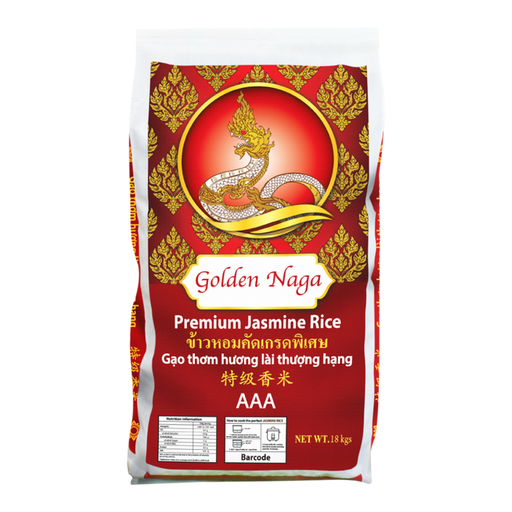
Why it suits this profile: An 18 kg bag is suitable for restaurants, caterers and large households that regularly use fragrant long-grain rice.
The product details state 18 kg, Cambodia as the origin, 100% white rice as the ingredient and a shelf life of 24 months. Always check the date on the bag.
18 kg net weight, Cambodian origin and clear storage advice.
We have put together a complete, up-to-date list of products that fully meet these strict selection criteria and the applicable European safety regulations.
Store a large pack in a cool, dry and dark place, preferably not directly on the floor. A sealable food container helps protect the rice from moisture and pests after opening. You may wish to note the opening date on the container, especially if you are using several bags at the same time.
For catering and food-service businesses, stock rotation is important. Place older bags at the front and newer bags at the back. This prevents rice from being stored unnecessarily for too long. Also compare the cooking method with your equipment. A professional rice cooker may require a different water ratio from an ordinary saucepan.
It can be, but this depends on the price per kilogram, delivery charges and your actual consumption. Divide the total price by 20 to calculate the price per kilogram. Only buy in bulk if you can use the rice within the stated shelf life and store it correctly.
Both are aromatic long-grain rices, but their origins and product descriptions differ. Thai varieties are often described as Thai Hom Mali or Thai jasmine rice. Cambodian varieties state Cambodia as the country of origin. Aroma and texture can vary by brand and batch, so follow the label and cooking instructions.
The stated shelf life applies to the product as described on the packaging and when stored under the correct conditions. After opening, airtight storage, a dry storage area and protection from heat and sunlight are important. Check the rice before use and always follow the information on the current label.
