
Vandaag of morgen in huis

Kwaliteit gegarandeerd

Welkomstaanbiedingen ontgrendelen: GRATIS bezorging | Tot 80% korting | Gratis 30 dagen JoyPlus-proefperiode
Download de app
Jasmine rice is popular with families, home cooks and catering businesses looking for rice for Asian dishes. This fragrant rice pairs well with curries, stir-fries, rice bowls and grilled meat. However, one bag of jasmine rice is not always the same as another. Attractive packaging or the word “premium” alone says little about whether it is right for your kitchen.
The main differences usually lie in origin, rice variety, grain type, packaging and cooking instructions. By checking these points, you can avoid buying too much, ordering an impractical quantity or choosing a type of rice that does not suit your dishes.
Words such as “fragrant”, “AAA” or “premium” may say something about how a product is positioned, but they are not a uniform quality standard across all brands. So check the specific product information:
A brand’s own research may describe the aroma, texture or quality as exceptional. Treat such statements as product claims and compare them with the actual ingredients list and specifications.
A 1 kg bag of jasmine rice is practical for a small household or when you want to try a variety first. For a family that eats rice several times a week, a 4.5 kg or 5 kg bag may be more convenient. Restaurants and catering businesses are more likely to look for 18 kg or 20 kg bags of jasmine rice.
A larger pack is only cost-effective if you can store the rice in a dry, cool and well-sealed place. An opened bag left in a damp cupboard for a long time may lose some of its aroma and quality. If necessary, divide a large bag between airtight food-storage containers.
Thai jasmine rice, Cambodian jasmine rice and Vietnamese ST25 rice are not automatically identical. Thai Hom Mali rice is a specific designation that should appear on the label. ST25 refers to a Vietnamese rice variety. Pandan rice is sometimes displayed alongside jasmine rice in shops, but always check the exact product name and ingredients.
Basmati is also a long-grain rice, but it has a different aroma and texture. A product such as PRESIDENT Basmati Rice Golden Sella is therefore not the same as jasmine rice, even though both are suitable for certain Asian dishes.
For a clear comparison, start by checking the country of origin and the ingredients list. Products containing only rice as an ingredient are straightforward to assess. Examples from the range include:
A description such as “jasmine rice” is useful, but also check whether the product consists entirely of jasmine rice. The information on the packaging takes precedence, as online product information may change.
Jasmine rice is generally long-grain and is known for its natural aroma. Once cooked, it can have a soft, slightly sticky texture, while the grains remain relatively separate in some products. This makes it suitable for curries, stir-fries and rice bowls.
For fried rice, it is often practical to allow cooked rice to cool first. This makes it easier to toss the grains without breaking them up. Always follow the water quantity stated on the packaging first. The ratio may vary depending on the product, cooking method and desired texture.
Choose the size based on how much you use:
Store jasmine rice in a cool, dry place, away from direct sunlight, moisture and heat sources. Seal the packaging securely after use and check the best-before information on the bag.
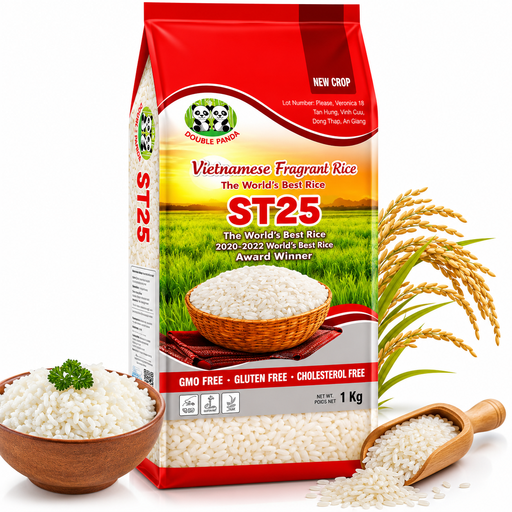
Why it suits this profile: The 1 kg pack helps to minimise waste when you want to try Vietnamese ST25 rice first. The product information states that it is 100% ST25 Fragrant Rice from Vietnam and can be prepared in a rice cooker, by steaming or by boiling.
The variety, origin, net quantity and ingredients are clearly stated, so you do not have to rely solely on general claims about fragrance.
1 kg pack; 100% Vietnamese ST25 rice; suitable for several cooking methods.
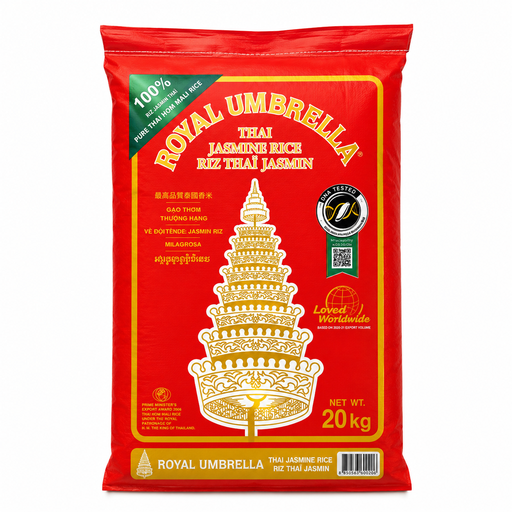
Why it suits this profile: This product states that it is 100% Thai Hom Mali Jasmine Rice from Thailand. The large size is ideal for anyone specifically looking for a particular Thai variety and preparing rice regularly.
The product name links the rice to Hom Mali and Thailand. Nevertheless, check the current label on delivery and store the bag in an airtight container.
20 kg bulk pack; 100% Thai Hom Mali; suitable for Thai dishes and high-volume use.
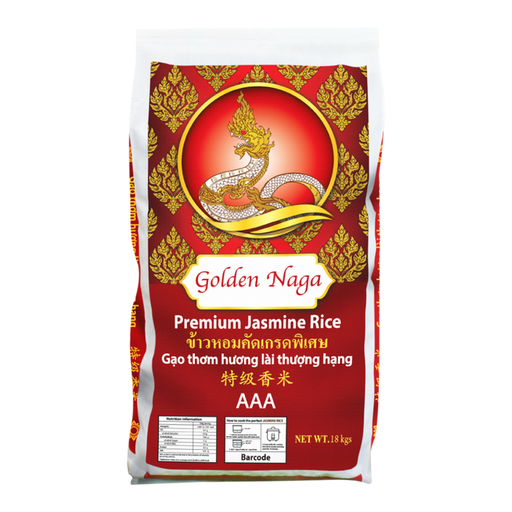
Why it suits this profile: The 18 kg pack is intended for restaurants, catering businesses and households with high consumption. The product information states that it is white rice from Cambodia, with a shelf life of 24 months.
The large size makes the intended use clear. Avoid buying the wrong quantity by calculating your available storage space and expected consumption in advance.
18 kg supply; Cambodian origin; clear storage instructions and ingredients information.
We have put together a complete, up-to-date list of products that fully meet these strict selection criteria and the applicable European safety regulations.
It depends on the variety, cooking method and desired texture. Rinse the rice first, then follow the ratio stated on the packaging. If you are using a rice cooker, the recommended quantity may differ from cooking in a saucepan. After cooking, leave the rice to stand for a few minutes before fluffing the grains.
Thai jasmine rice, including Hom Mali, comes from Thailand and has its own variety designation. Vietnamese ST25 rice is a Vietnamese fragrant rice variety. Both are long-grain and aromatic, but the exact aroma and texture vary from one product to another. So look at the origin, ingredients and cooking instructions rather than relying solely on the term “fragrant rice”.
For restaurants and catering businesses, 18 kg or 20 kg bags are usually more practical than several smaller packs. Calculate your average consumption in advance, check the available storage space and, once opened, use a well-sealed food-storage container. For a family, 4.5 kg or 5 kg of jasmine rice is often a more practical compromise between having enough in stock and maintaining freshness.
