
Vandaag of morgen in huis

Kwaliteit gegarandeerd

Welkomstaanbiedingen ontgrendelen: GRATIS bezorging | Tot 80% korting | Gratis 30 dagen JoyPlus-proefperiode
Download de app
Jasmine rice is known for its light floral aroma, soft grain and slightly sticky texture after cooking. This makes fragrant rice ideal for curries, stir-fries, rice bowls and everyday meals. However, not every packet labelled “jasmine”, “pandan” or “fragrant rice” is the same.
The biggest mistakes usually come down to three things:
First, look at the ingredients list. A pure variety will state something like 100% Thai Hom Mali Jasmine Rice, 100% jasmine rice or 100% fragrant rice. The origin could be Thailand, Vietnam or Cambodia.
Thai jasmine rice, also known as Thai Hom Mali rice, typically has a recognisable fragrance and a soft, slightly sticky texture. The term Hom Mali refers to a Thai designation; always check the packaging and product details if origin matters to you. According to brands’ own information about their rice, the aroma and texture come from the rice variety and growing region. Treat such brand claims as product information rather than an independent quality guarantee.
Vietnamese ST25 rice is another option in the fragrant rice category. This long-grain rice is described as aromatic and suitable for everyday meals. Basmati rice usually has a longer, drier and fluffier grain when cooked, so it cannot be swapped one-for-one in every Thai recipe.
Jasmine rice is generally softer and slightly stickier than basmati rice. This works well for:
Don’t confuse jasmine rice with sticky rice or glutinous rice. Sticky rice is intended for dishes such as mango sticky rice, dim sum, rice cakes and other preparations where a clearly sticky texture is needed. For ordinary curry or fried rice, that texture may be less suitable.
For a first purchase or a small household, 1 kg to 2 kg is a manageable size. A 4.5 kg pack suits families who eat rice several times a week. Think about options such as jasmine rice 4.5 kg.
A jasmine rice bulk pack of 18 kg or 20 kg is mainly practical for large families, caterers and food service businesses. Work out in advance how much storage space you have and how quickly you’ll use the rice. Once opened, store the bag in a cool, dry place, sealed in a suitable container. Protect the rice from moisture, heat and direct sunlight.
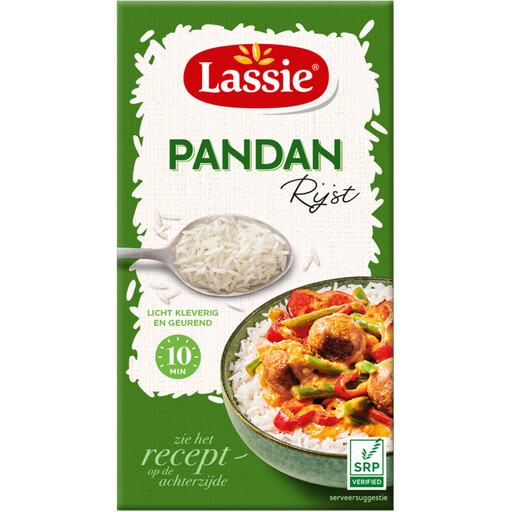
Why it fits this profile: The small pack is handy if you want to try jasmine rice for the first time or only cook an Asian meal occasionally.
You’re not committed to an 18 kg bag straight away. Do check the packaging to see whether the pandan rice name suits your recipe.
375 g pack; according to the product information, ready in around 10 minutes, vegan and naturally gluten-free.
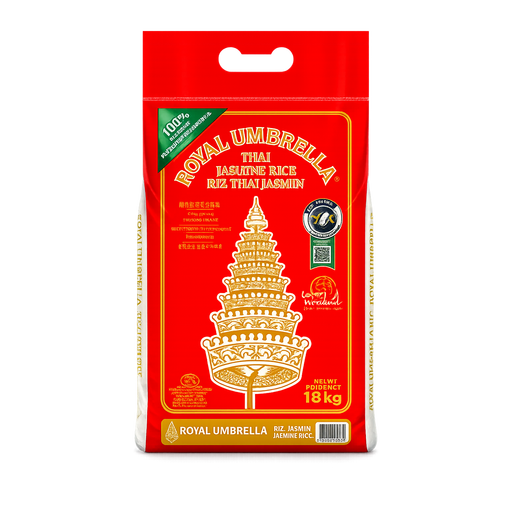
Why it fits this profile: This large bag is aimed at those who cook Thai dishes often and value an explicit Hom Mali designation.
The product information states Thai Hom Mali rice and 100% rice. When you receive it, still check the actual packaging and origin details.
18 kg; long grains; according to the product description, soft and fluffy after cooking; suitable for curries and vegetable dishes.
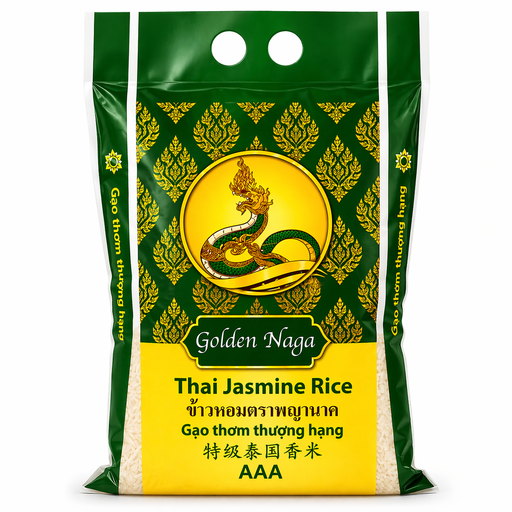
Why it fits this profile: 4.5 kg offers a practical supply for households that cook rice several times a week.
The specifications list the type, weight, origin and ingredients. For the water ratio, always follow the instructions on the bag.
4.5 kg; origin Thailand; 100% jasmine rice; suitable for stir-fries, curries, bowls and everyday meals.
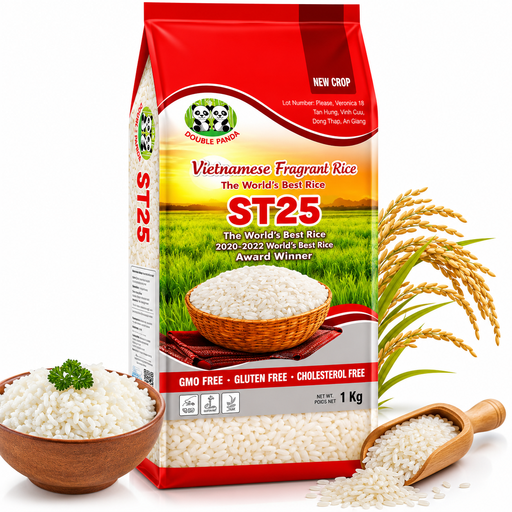
Why it fits this profile: A compact Vietnamese option for those who want to compare ST25 and other Asian rice varieties alongside Thai rice.
The product information explicitly mentions Vietnam, ST25, long-grain rice and a 1 kg content. This makes the choice clearer than a pack labelled only “fragrant rice”.
Vietnamese ST25; 1 kg; suitable for a rice cooker, steaming or boiling; can be used for rice bowls, fried rice and side dishes.
We’ve put together a full, up-to-date list of products that fully meet these strict selection criteria and comply with current European safety regulations.
Rinse the rice a few times with cold water until the water runs less cloudy. Then add the amount of water stated on the packaging. That instruction takes priority over general ratios, because the grain, processing and brand can vary.
After cooking, leave the rice to rest with the lid on for a few minutes. Then gently fluff it with a fork. For a stir-fry, use cooled rice if the packaging allows; warm, moist rice can clump together more easily.
Not always. In some product descriptions, the terms are used interchangeably, while the packaging states a specific rice type. So check the ingredients, origin and cooking advice. Don’t just look at the name on the front.
Dry rice can generally be stored for a long time, but the aroma and quality depend on the conditions. Store the rice in a dry, dark place, well sealed. Always check the best-before information on the packaging and do not use any product where the bag is damaged or smells damp.
Yes, the soft, slightly sticky texture works well with many curries, stir-fries and rice bowls. If you prefer a drier, fluffier grain, also compare it with basmati rice. For desserts such as mango sticky rice, choose sticky rice rather than ordinary jasmine rice.
