Start with the amount of uncooked rice you need and compare it with the maximum capacity and measuring cup for your chosen model. The cup size or manufacturer’s stated portions won’t necessarily match the number of guests. Then decide between one larger batch, several batches or a model with extra programmes, and plan how you’ll serve the rice safely while hot or cool it quickly.
Who is this advice for?
Cooking for a large neighbourhood group
You want to prepare the planned amount of jasmine rice in as few batches as possible, and compare the uncooked rice capacity with your own portion calculations. Tristar and HENDI, for example, state manufacturer capacities which you should compare with your own calculations.
Hosting guests who eat at different times
You want to have the rice ready while neighbours serve themselves at different times, so you need a practical plan for keeping it hot for serving or cooling leftovers quickly. The Netherlands Nutrition Centre and the Netherlands Food and Consumer Product Safety Authority offer useful advice on storage and keeping food hot.
A home cook who’ll keep using the rice cooker
You’re weighing up how you’ll use it for jasmine rice and future meals, alongside its size, programmes and cleaning requirements. Models from brands including Yum Asia, Tefal and Princess differ in the features and capacities stated by their manufacturers.
What should you look for when choosing?
A larger, straightforward rice cooker
Choose this option when: the amount you need fits in one batch and a dedicated rice programme isn’t essential. Tristar lists a 2.2-litre capacity and a maximum of 15 portions for the RK-6129.
Trade-off: the manufacturer’s stated portion size won’t necessarily match a guest portion; calculate the amount using uncooked rice.
A model with multiple programmes
Choose this option when: you want to use the cooker for other types of rice or dishes too, and the batch size is suitable. Yum Asia lists a maximum of eight measuring cups of uncooked white rice for the Sakura.
Trade-off: extra programmes give you more options, but don’t increase the stated capacity. There’s no independently proven benefit for cooking jasmine rice.
A commercial rice cooker or several batches
Choose this option when: the amount you’ve calculated won’t fit in a domestic model. HENDI lists 50 scoops of dry rice for its 10-litre cooker, equivalent to around 100 cooked portions according to the manufacturer.
Trade-off: a larger appliance needs more space. If you’re cooking several batches, plan in advance how you’ll store the earlier batches safely.
| What to consider |
What should you check? |
Who should give this more weight? |
| Capacity per batch |
Calculate the amount of uncooked rice and compare it with the maximum amount stated in the manual; check how the manufacturer defines portions. |
If I’m cooking for a large group, I want to know whether one batch will be enough and how much uncooked rice it holds; around 36% of consumers put batch capacity first. |
| Safe storage until serving |
Check how to keep the rice at the right temperature or cool leftovers quickly; a keep-warm light doesn’t, by itself, show the rice’s temperature. |
If people are eating at different times, I want a practical plan for serving food safely and storing leftovers; around 29% of consumers prioritise safe storage. |
| Settings and measuring |
Check the manual for the measuring cup, water level and settings for your type of rice; a programme doesn’t prove that the results will be better. |
If I mainly cook jasmine rice, I want clear guidance on measuring and cooking it; around 21% of consumers prioritise suitable rice settings. |
| Cleaning and future use |
Check whether the inner pot is removable and which cleaning instructions and model-specific parts apply. |
If I’ll keep using the cooker after the neighbourhood meal, cleaning and storage matter too; around 14% of consumers prioritise these practical considerations. |
Common pitfalls
-
Assuming ‘ten cups’ means ten guests
Manufacturers don’t necessarily use cups, measuring cups and portions in the same way. So a stated quantity of uncooked rice doesn’t automatically tell you how many guests you can serve.
First, calculate how much rice you want for the meal, then check the maximum capacity and measuring cup in the manual for the exact model.
If the batch is too small, you may need to plan extra cooking rounds.
-
Assuming the keep-warm setting proves the rice will stay safe
An indicator light doesn’t tell you what temperature the rice is at while you’re serving it. The Netherlands Nutrition Centre warns about Bacillus cereus in rice that hasn’t been kept sufficiently cold.
Plan when you’ll serve the rice and how you’ll cool leftovers. For professional food preparation, the Netherlands Food and Consumer Product Safety Authority recommends keeping food hot above 60 °C; this checklist isn’t automatically a legal requirement for a private neighbourhood meal.
-
Choosing a large commercial cooker without planning the set-up
HENDI specifies a power rating of 2900 W and a weight of 10.35 kg for its 10-litre cooker. Specifications like these make worktop space and power supply important considerations.
Check in advance where the appliance can go and whether the amount you’re planning to cook needs that much capacity.
Brands and models for reference
HENDI
The 10-litre cooker reviewed is designed for large batches; the manufacturer lists model code 240458.
- HENDI lists 50 scoops of dry rice, enough for around 100 cooked portions according to the manufacturer.
- The manufacturer specifies a weight of 10.35 kg and a power rating of 2900 W; take the set-up into account.
Tristar
The RK-6129 is a domestic model with a stated capacity of 2.2 litres.
- Tristar lists a maximum of 15 portions, a removable non-stick inner pot and automatic keep-warm function.
- The keep-warm temperature of 70–75 °C stated by Tristar isn’t a measurement of the rice temperature during your meal.
Yum Asia
The Sakura is a model for anyone who wants to use their cooker for more than just the neighbourhood meal.
- Yum Asia lists a maximum of eight measuring cups of uncooked white rice and specifies an EU Schuko plug.
- Even a full batch may mean several cooking rounds for a larger group; there’s no independently proven better result for jasmine rice.
Tefal
The Classic RK1038 is a domestic model with a stated capacity of 1.8 litres.
- Tefal lists ten cups of rice, automatic keep-warm, a removable inner pot and a steaming accessory.
- Ten cups is a capacity figure and doesn’t automatically equal ten guest portions.
Princess
Model 271978 is a domestic rice cooker with a stated capacity of 1.8 litres.
- Princess lists ten cups, a removable non-stick inner pot and boil-dry protection.
- According to the product specifications, this model doesn’t have pre-programmed cooking programmes.
Joybuy picks for rice and multiple programmes
This selection includes multicookers and rice cookers with a rice function. Don’t compare the stated capacity directly with the amount of uncooked rice: check the maximum rice quantity and measuring cup for the exact model. Also check that the specific item on offer has the required CE marking and EU declaration of conformity; Business.gov.nl explains the requirements for electrical equipment placed on the market.
 No image available
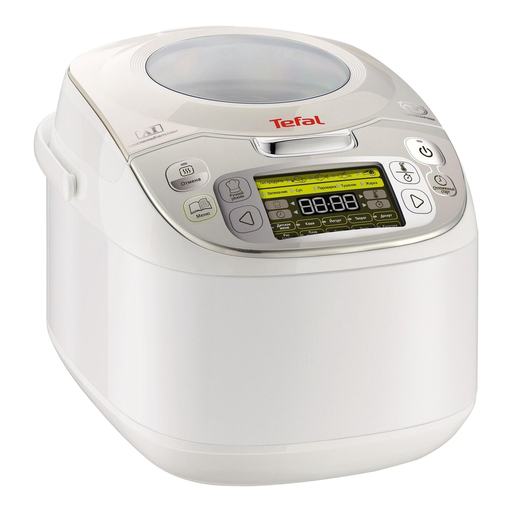
Tefal RK8121 multicooker
An option for combining rice cooking with other cooking programmes.
5 litres; 45 programmes according to the product name.
View at Joybuy
 No image available
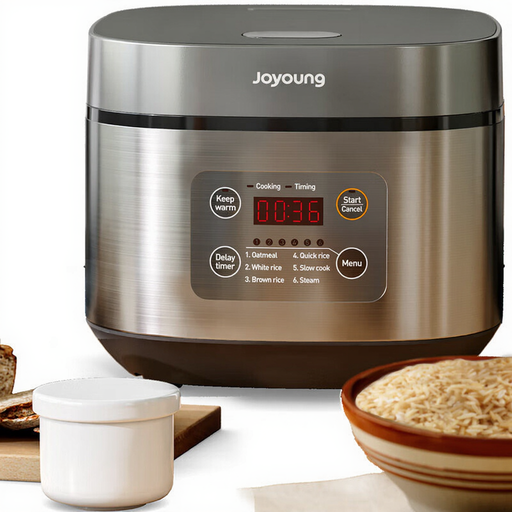
Joyoung rice cooker with timer
An option if you’re looking for a rice cooker that, according to the product name, also offers other functions.
4 litres; 860 W; timer and LED indicator according to the product name.
View at Joybuy
 No image available
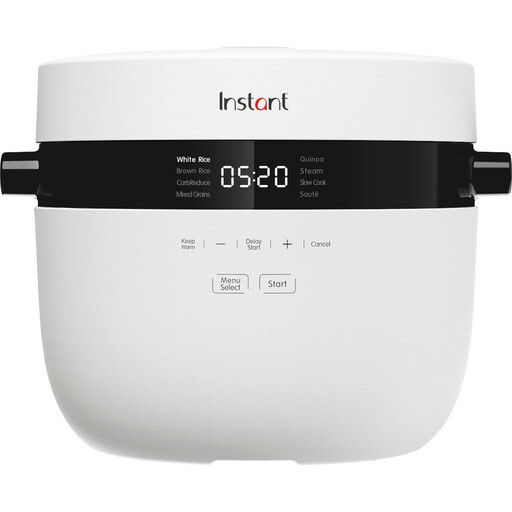
Instant Pot 5-litre rice and grain cooker, 8-in-1
An option if you want to cook rice and grains and are also looking for other functions.
5 litres; 8-in-1 according to the product name.
View at Joybuy
 No image available
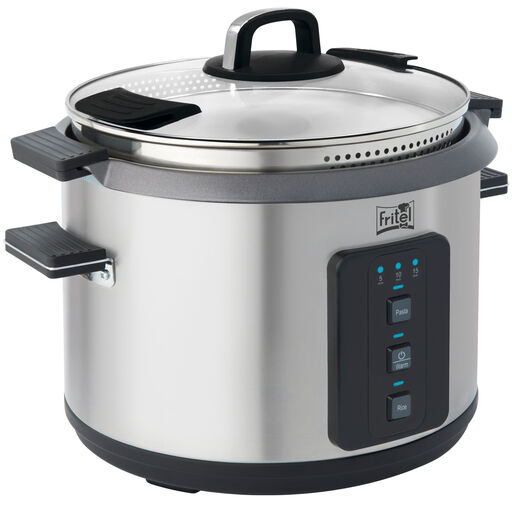
Fritel RC 1377 pasta and rice cooker
An option if you want to combine rice cooking with the functions listed in the product name.
6 litres; 1100 W; 3 functions and a removable bowl according to the product name.
View at Joybuy
 No image available
Midea 7.6-litre pressure cooker with rice-cooking function, 9-in-1
A pressure cooker with a rice-cooking function for anyone looking for other multicooker features too.
7.6 litres; 12 pre-set programmes according to the product name. Follow the warnings about releasing pressure and opening the lid.
View at Joybuy
Frequently asked questions
How do you work out how much rice to put in the cooker?
Multiply the amount you want per person by the number of diners, then compare the result with the maximum amount of uncooked rice stated in the manual. For around 200 grams of cooked rice, the Netherlands Nutrition Centre uses 75 grams of uncooked rice as a portion guide; adjust the amount to suit the rest of the meal.
Can you leave jasmine rice on the keep-warm setting all evening?
Don’t rely on the keep-warm light alone to determine whether the rice is safe. For professional food preparation, the Netherlands Food and Consumer Product Safety Authority recommends a storage temperature above 60 °C; this checklist isn’t automatically a legal requirement for a private neighbourhood meal. If you can’t keep the rice hot safely, serve it straight away and cool leftovers quickly. The Netherlands Nutrition Centre warns about Bacillus cereus in rice that hasn’t been kept sufficiently cold.
How should you store and reheat leftover rice?
Cool leftovers quickly and, according to the Netherlands Nutrition Centre, keep cooked rice in the fridge for no more than two days. Reheat leftovers thoroughly before eating. If you’re cooking several batches, you’ll also need a plan for rice that’s ready earlier.
Who should you contact about a fault after buying in the Netherlands?
Report a fault to the seller. According to the Dutch government, there’s no fixed legal two-year warranty period for all products in the Netherlands; what you can expect from a product depends, among other things, on the product and how it’s used. A manufacturer’s warranty doesn’t replace your statutory rights.
Is CE marking required, and does HACCP apply to a private neighbourhood meal?
For electrical equipment placed on the market in the Netherlands, Business.gov.nl explains the applicable requirements, including the required CE marking and EU declaration of conformity. The Netherlands Food and Consumer Product Safety Authority says that food businesses, including home catering businesses, need a food safety plan or hygiene code based on HACCP. The description ‘neighbourhood meal’ alone doesn’t mean the organiser is running such a business; assess separately whether it involves organised catering or sales.


