
Vandaag of morgen in huis

Kwaliteit gegarandeerd

Welkomstaanbiedingen ontgrendelen: GRATIS bezorging | Tot 80% korting | Gratis 30 dagen JoyPlus-proefperiode
Download de app
A bag of jasmine rice might seem straightforward to choose at first glance. Yet Thai, Vietnamese and Cambodian varieties differ in aroma, grain structure, cooking results and price per portion. Packaging also matters: a jasmine rice 1 kg is practical for trying out, while an 18 or 20 kg bag is mainly of interest to families, meal preppers and professional kitchens.
Also watch out for three common pitfalls:
Marketing language without verifiable details
Words like “premium”, “AAA” and “authentic” don’t tell you much on their own. Always check the ingredients, country of origin, rice variety and net weight.
Confusing jasmine rice with other rice types
Jasmine rice is a fragrant long-grain rice. Glutinous rice is different and becomes much stickier after cooking. Pandan rice can also be aromatic, but the name alone doesn’t always tell you which variety you’re buying.
Buying a bag that’s too large
A jasmine rice 20 kg might seem good value per kilogram, but it takes up a lot of storage space. If stored incorrectly, the aroma can fade and moisture can affect quality. Only choose bulk packaging if you use the product regularly and can store it in a dry place.
First, look at the country of origin and the name of the rice. Thai jasmine rice and Thai Hom Mali rice are often chosen for their recognisable fragrance and soft texture. Products like Green Dragon Perfume Thai Hom Mali explicitly mention Thailand and 100% Thai Hom Mali fragrant rice in the product information.
Vietnamese rice has its own designation. Vietnamese ST25 rice is a long-grain fragrant rice variety. The Double Panda Premium ST25 Rice lists Vietnam as the country of origin and 100% ST25 fragrant rice as the ingredient. The Blue Silk ST25 variant is available in 5 kg and 18 kg.
Cambodian jasmine rice is also a relevant choice. Red Dragon AAA Jasmine Rice is described in the product description as being made from 100% Cambodian jasmine rice. Always check the label on every bag, as brand names and designations can vary between product lines.
Jasmine rice is known as fragrant rice with long, slender grains. The product descriptions in the range usually mention a soft, fluffy or slightly sticky texture. This makes the rice suitable for curry, stir-fries, rice bowls and everyday meals.
Do you want grains that stay relatively separate? Then look for descriptions like “fluffy”, “non-sticky” or “long grain”. Green Dragon Perfume Long Grain Rice, for example, is described as a long-grain rice whose grains remain fluffy and non-sticky after cooking.
If you’re specifically after a clearly sticky preparation for a particular dish, look at glutinous rice instead of jasmine rice. Royal Thai Glutinous Rice is a separate sticky rice variant and not a regular jasmine rice. That distinction will help you avoid buying the wrong product.
The right quantity depends on how you use it:
Store rice according to the product instructions in a cool, dry place, away from sunlight, heat and moisture. Seal the packaging well after opening or use a food-safe storage container. If the packaging is damaged, check the condition of the product before using it.
Rice typically consists of a single ingredient, and the products mentioned contain none of the 14 major EU allergens according to their product information. For anyone who needs to eat strictly gluten-free, it’s still wise to always check the current packaging and allergen information. The same applies to vegans, because preparation products or seasonings in a dish may contain other ingredients.
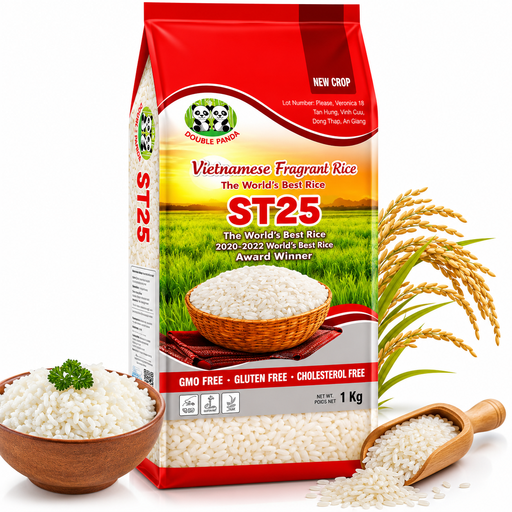
Why this fits the profile: The 1 kg packaging limits the risk of buying a large stock before you know whether Vietnamese ST25 rice suits your cooking style.
The product information states the variety ST25, Vietnam, long-grain rice and a net weight of 1 kg. This makes the key purchase details clear.
Vietnamese ST25 fragrant long-grain rice; suitable for rice cooker, steaming or boiling as per the packaging instructions.
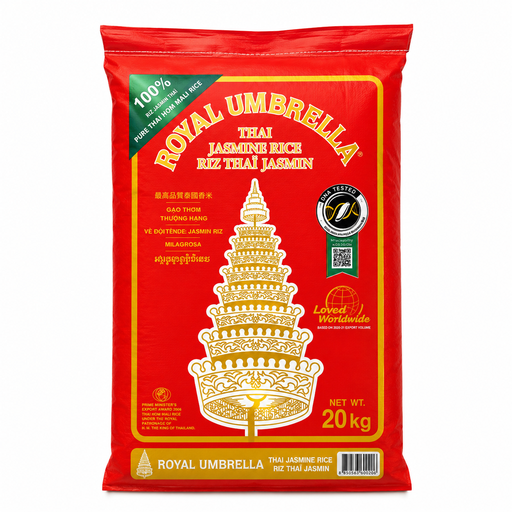
Why this fits the profile: This large bag is aimed at fans of Thai Hom Mali rice who regularly cook Thai dishes.
The product details mention 100% Thai Hom Mali jasmine rice, Thailand as the origin and a content of 20 kg. You can therefore weigh the bulk packaging against your actual consumption.
Thai origin; 100% Hom Mali according to the product description; suitable for curry, grilled dishes and vegetable meals.
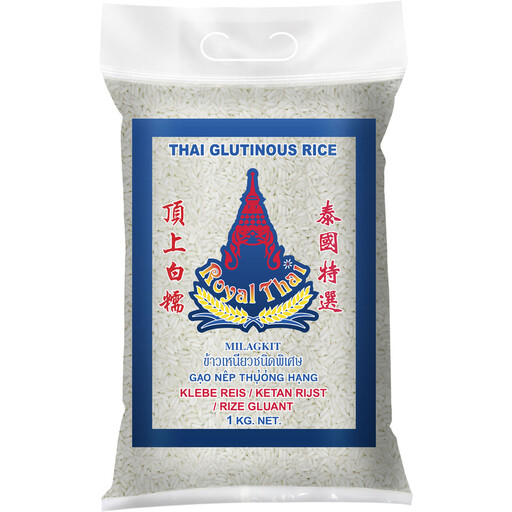
Why this fits the profile: For lovers of glutinous rice, this is a targeted choice for dishes where a sticky texture is desired.
The product name makes it clear that this is glutinous rice. This prevents you from accidentally buying it as a substitute for regular jasmine rice.
1 kg packaging; Thai glutinous rice; suitable when a firm, sticky texture is part of the dish.
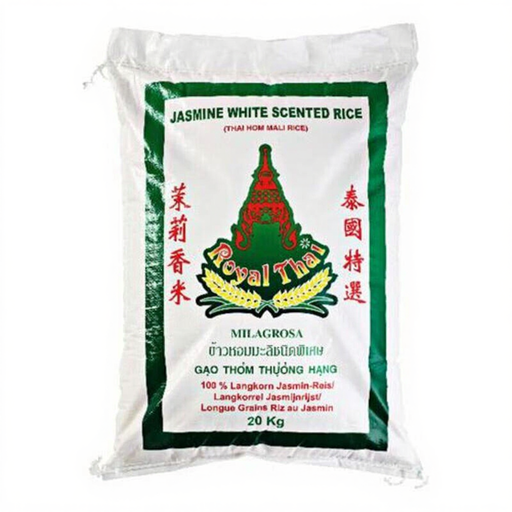
Why this fits the profile: The 20 kg bag is designed for high-volume use, such as catering, restaurants or households where rice is on the table every day.
The product information states the Thai origin, long-grain fragrant rice and the 20 kg content. This makes the choice verifiable for high-volume use.
20 kg content; soft and fluffy texture according to the product description; suitable for everyday meals and catering.
We’ve put together a full, up-to-date list of products that fully meet these strict selection criteria and comply with current European safety regulations.
The ratio varies by brand, cooking method and desired texture. Always use the instructions on the packaging as a starting point. Some product descriptions mention roughly one part rice to one part water, while other variants require more water. Rinse the rice beforehand and let it rest for a few minutes after cooking.
Uncooked rice generally stays good for a long time when stored dry, cool and sealed. The exact date is on the packaging. After opening, a well-sealing storage container is advisable, especially for bags of 10, 18 or 20 kg. Check the rice before use for moisture, an unusual smell or damage to the packaging.
Rice is naturally gluten-free. Several of the products mentioned also list none of the 14 major EU allergens and are described as suitable for vegans. Nevertheless, always check the current label and preparation method, as cross-contamination or added ingredients can vary between products.
