
Livraison le jour même et le lendemain

Qualité garantie

Débloquez vos offres de bienvenue: Livraison GRATUITE | Jusqu'à -80 % | 30 jours d'essai gratuits à JoyPlus
Téléchargez l'application
A bag of jasmine rice may seem like a straightforward purchase, but the difference between Thai jasmine rice, basmati rice, sushi rice and ordinary white rice becomes most noticeable after cooking. One type is ideal for curry, while another works better for nasi or sushi. The pack size also determines whether you are getting good value or simply bringing home more stock than you need.
As a Joybuy Product Recommendation Officer, I filter product information based on practical details: rice variety, origin, weight, cooking properties and storage. This helps you avoid relying solely on terms such as “premium”, “AAA” or “fragrant”.
Jasmine rice is known for its natural aroma and soft texture. However, a description such as “fragrant rice” does not automatically mean that it is Thai Hom Mali rice. Always check:
Thai Hom Mali rice is a specific name for fragrant Thai rice. However, product information on a website can change. Always read the current label before use as well.
A pack of 10 kg rice, 18 kg rice or 20 kg rice can be appealing for a family, restaurant or caterer. For a small household, however, a large bag may be less practical. Rice takes up storage space and should be kept somewhere cool and dry, in a well-sealed container.
When comparing products, calculate the price per kilogram. A 1 kg rice pack is usually more convenient if you want to try a variety for the first time. A 5 kg rice bag offers a good middle ground for regular home cooking.
Words such as “premium”, “AAA” and “extra long” are product descriptions or marketing terms. They do not tell you everything about the result you will get when cooking. Also consider the grain structure and intended use. Extra-long basmati rice behaves differently from soft jasmine rice, even when both are marketed as high-quality rice.
Jasmine rice is a long-grain rice with a distinctive aroma and a soft, slightly sticky texture after cooking. This makes it suitable for Thai and other South-East Asian dishes, including curry, stir-fries and grilled meat.
Basmati rice generally has longer, looser grains. India Gate Basmati Rice Extra Long Excel is described in the product information as extra-long basmati with a light, aromatic and non-sticky texture. These qualities make it well suited to biryani and pulao.
Sushi rice, on the other hand, has a grain structure that holds together more effectively. This makes it more practical for sushi and rice balls than ordinary jasmine rice.
Use this rule of thumb:
For large packs, also consider how easy the bag will be to move. A 20 kg bag is not always easy to take out of a cupboard. Transferring it into several airtight containers may be more practical, provided the rice remains clean and dry.
Rinse jasmine rice according to the instructions on the packaging. The rice-to-water ratio varies by brand, cooking method and desired texture. When trying a new variety, follow the stated instructions first rather than automatically using the same ratio as for basmati rice.
Store opened rice:
For damaged packaging, allergen information and the best-before date, always check the physical label. The product page is a useful guide, but it is not a substitute for the packaging.
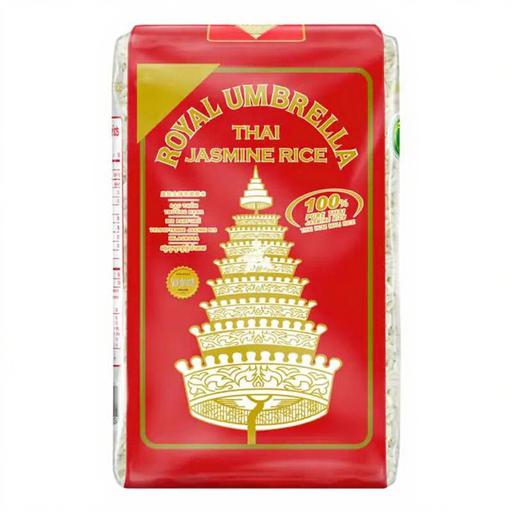
Why it suits this profile: The 1 kg pack is manageable for a small supply and is suitable for trying Thai jasmine rice with curry, stir-fries or an everyday meal.
The product states Thai Jasmine Rice, a net weight of 1 kg and Thailand as the country of origin. This makes the purchase easier to verify than a rice product with only a generic marketing name.
1 kg pack; according to the product information, suitable for a variety of South-East Asian dishes.
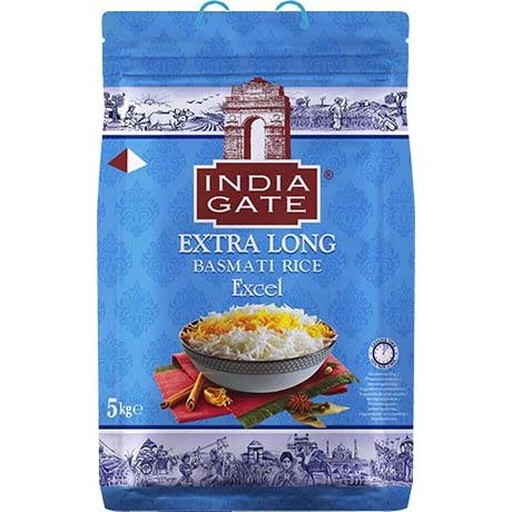
Why it suits this profile: Anyone looking for separate grains and long-grain basmati rice for biryani or pulao gets a 5 kg pack that is also practical for families.
The product description explicitly mentions extra-long basmati grains, a light texture and a non-sticky result. This makes the difference from jasmine rice clearer.
Extra-long grains; 5 kg pack; product information mentions use for biryani and pulao.
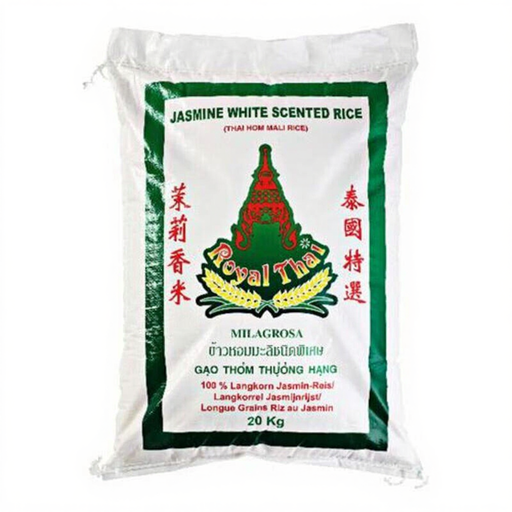
Why it suits this profile: The 20 kg bag is intended for bulk use, large households, catering and restaurants that regularly prepare rice for curry or other Asian dishes.
The weight and product type are clearly stated. However, check beforehand that you have enough dry storage space for this large pack.
20 kg contents; according to the product description, soft and light after cooking; intended for daily and professional use.
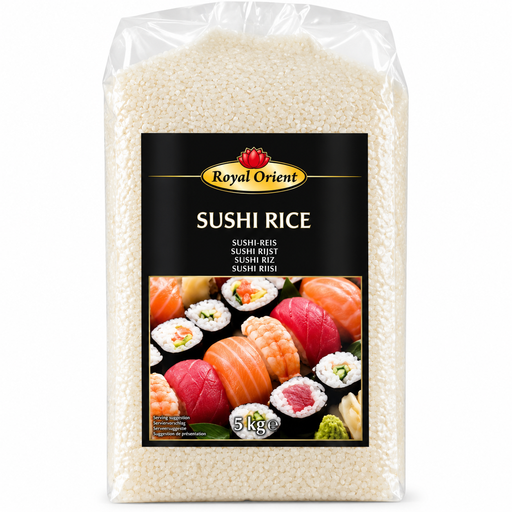
Why it suits this profile: This rice is specifically described as sushi rice and comes in a 5 kg pack, making it suitable for regular sushi nights or larger preparations.
The product name and ingredients refer to sushi rice. Check the current cooking instructions on the packaging to achieve the desired level of stickiness.
Specifically described as suitable for sushi; 5 kg pack; store in a cool, dry place according to the product information.
We have put together a complete, up-to-date list of products that fully meet these strict selection criteria and the applicable European safety regulations.
This varies by brand, cooking method and desired texture. Rinse the rice first if the packaging instructs you to, then follow the ratio given on the label. When trying a new variety, start with the recommended amount and make only small adjustments next time if the rice turns out too dry or too soft.
Yes, jasmine rice can be used for nasi. Allow the cooked rice to cool and steam-dry first before frying it. For a looser result, basmati rice may be more suitable. The choice depends on the texture you want in your nasi.
Uncooked white rice can be stored for a considerable length of time when kept correctly. The precise shelf life is stated on the packaging. Seal an opened bag properly and store it somewhere dry and cool, away from direct sunlight. Discard the rice if the packaging is damaged or if its smell, colour or texture has clearly changed.
