
Livraison le jour même et le lendemain

Qualité garantie

Débloquez vos offres de bienvenue: Livraison GRATUITE | Jusqu'à -80 % | 30 jours d'essai gratuits à JoyPlus
Téléchargez l'application
Jasmine rice is popular with fans of Thai curry, stir-fries, nasi and rice bowls. However, aroma, texture, origin and packaging can vary considerably from one product to another. A bag labelled “aromatic” or “AAA” rice is not automatically the right choice for your kitchen.
Pay particular attention to the type of rice, country of origin, grain structure and the amount you actually use. The guidelines below will help you avoid a poor purchase and compare Thai jasmine rice, Cambodian jasmine rice and Vietnamese fragrant rice more effectively.
Jasmine rice is known as fragrant rice, but its aroma can vary depending on the variety and origin. According to the product information, Thai Hom Mali rice often has a floral aroma and soft texture. Vietnamese ST25 rice is described as naturally fragrant, with a soft yet firm bite.
Eye-catching packaging or the term “fragrant” does not tell you much on its own. Check that 100% rice is listed as the ingredient and that the origin is clearly stated.
A 18 kg rice or 20 kg rice pack can be practical for a restaurant, caterer or large family. However, for a household that only eats rice occasionally, bulk rice may remain open for a long time. This increases the risk of the packaging not being sealed properly or absorbing moisture.
So do not compare only the price of the bag. Also consider the price per kilogram, shelf life and your average consumption.
Jasmine rice and basmati rice are both long-grain varieties, but they behave differently after cooking. Jasmine rice is generally softer and slightly stickier. Basmati usually stays looser and has a longer, drier grain. For biryani or pilaf, PRESIDENT Basmati Rice Golden Sella 10kg may therefore be a more logical choice than Thai jasmine rice.
Start by checking the specific type of rice:
The term “jasmine” therefore does not mean that every product will produce the same cooking result.
An opened bag of rice should be stored in a cool, dry place away from direct sunlight. Seal the packaging properly or use an airtight storage container. When your order arrives, check that the bag is undamaged and look at the packaging for the best-before date and cooking instructions.
For consumers, 1 to 5 kg is often easy to manage. A 10, 18 or 20 kg pack is mainly practical if you cook rice regularly or need rice for restaurants and catering.
Always follow the instructions on the packaging. The amount of water required depends on the type of rice, cooking method and desired texture. Rinsing can remove excess starch, but the instructions may also vary from one product to another.
A rice cooker is convenient for regular use. If you cook rice in a saucepan, it is a good idea to leave it to rest for a few minutes after cooking. This allows the remaining moisture to distribute more evenly.
The recommendations below are based on verifiable information such as weight, origin, rice type and the stated cooking and storage information. Brand descriptions of aroma or cooking results are claims made by the seller and should not be regarded as a guarantee for every user.
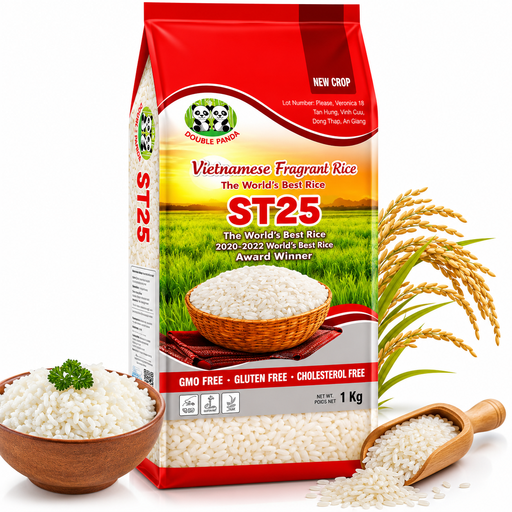
Why it suits this profile: The 1 kg pack is manageable for anyone who wants to try Vietnamese fragrant rice without immediately buying a large supply.
You can first test the rice and preferred texture in a small quantity instead of buying bulk rice straight away.
100% ST25 fragrant rice, long grain, origin Vietnam and suitable for a rice cooker, steaming or boiling.
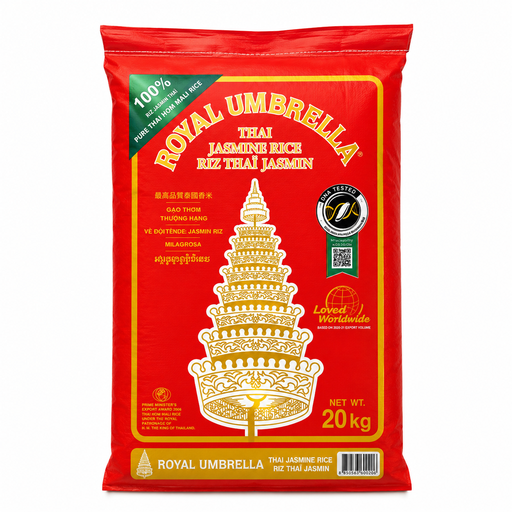
Why it suits this profile: This Thai Hom Mali rice is ideal for shoppers specifically looking for rice from Thailand with a soft, aromatic character for Asian dishes.
The product information clearly states 100% Thai Hom Mali jasmine rice, helping to avoid confusion with basmati.
20 kg pack, country of origin Thailand and a rice variety that, according to the product description, can become soft and slightly sticky when cooked.
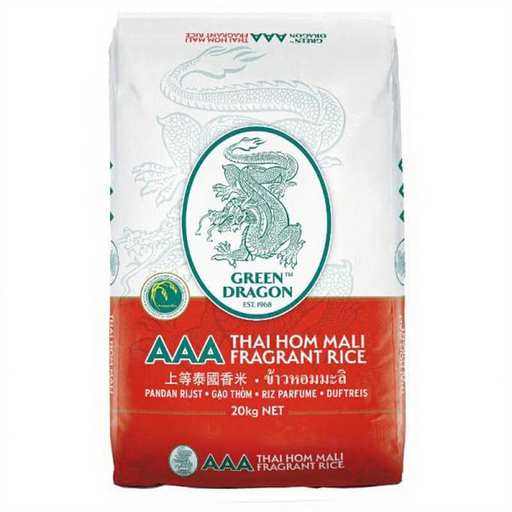
Why it suits this profile: The 20 kg bag is designed for high-volume use, such as in hospitality, catering, large families and kitchens where rice is prepared every day.
The grain type and contents are clearly stated, so you will not confuse a large pack with a different rice variety.
20 kg contents, long grain, fragrant rice and, according to the product information, suitable for nasi, pilaf and fried rice, among other dishes.
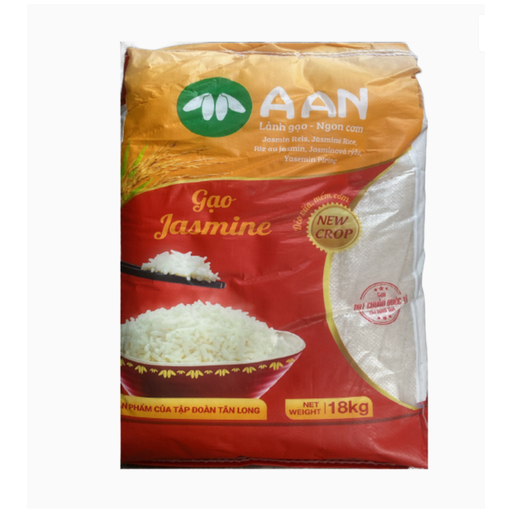
Why it suits this profile: This pack provides a generous supply for households that eat rice several times a week.
The 18 kg quantity is clearly stated, allowing you to match your supply to your consumption and available storage space.
18 kg net contents, origin Vietnam and cooking instructions for preparing the rice in a saucepan.
We have compiled a complete, up-to-date list of products that fully meet these strict selection criteria and the applicable European safety regulations.
Thai jasmine rice is usually softer and slightly stickier after cooking, with a distinctive aroma. Basmati often has a longer, looser grain and is widely used for biryani and pilaf. Choose based on the dish and desired texture, rather than simply relying on the term “long-grain rice”.
That depends on the dish and the number of people eating. For a household that eats rice several times a week, 2 to 5 kg can be practical. An 18 or 20 kg pack is mainly worthwhile for large families, restaurants or caterers. Divide the weight by your weekly consumption to estimate how long the bag will last.
Store the rice in a cool, dry place away from direct sunlight. Seal the bag carefully or transfer the rice to a clean, airtight storage container. Check the packaging before use and always follow the stated shelf-life and storage information.
