
Vandaag of morgen in huis

Kwaliteit gegarandeerd

Welkomstaanbiedingen ontgrendelen: GRATIS bezorging | Tot 80% korting | Gratis 30 dagen JoyPlus-proefperiode
Download de app
Buying jasmine rice seems simple, until you choose a large bag that turns out too sticky, too dry or less fragrant than expected after cooking. Packaging terms such as “premium”, “AAA” or “fragrant” do not always provide enough information about the grain, origin and intended use.
For Dutch households, home cooks and catering businesses, these three pitfalls are particularly important:
Thai jasmine rice is a long-grain rice with a naturally fragrant aroma. According to the product descriptions from various brands, the rice becomes soft and fluffy after cooking, with a lightly cohesive texture. This makes it well suited to curries, stir-fries, grilled meat, vegetables and everyday meals.
Pandan rice is sometimes used as a synonym for jasmine rice in the Netherlands. Always check the label carefully. Look for descriptions such as:
For sushi, onigiri and poké bowls, you will generally need a separate sushi rice. Its round grain holds together better after cooking and absorbs sushi vinegar and other seasonings. Jasmine rice may produce a different result, so it is not automatically a suitable substitute.
A short ingredients list is practical. Many products in this category consist of 100% rice, with no added flavourings. The origin varies by product:
Bear in mind that brand information is not the same as an independent guarantee. A brand’s own research may describe a particular rice as especially aromatic or high quality; assess this alongside verifiable details such as grain type, country of origin, net quantity and cooking advice.
The right quantity depends on your household or commercial kitchen.
A bulk pack of rice should be stored in a cool, dry place away from direct sunlight. Seal the bag properly after opening or use a food-safe storage container. This helps limit exposure to moisture and contamination. When the delivery arrives, also check that the packaging is undamaged and read the latest information on the label.
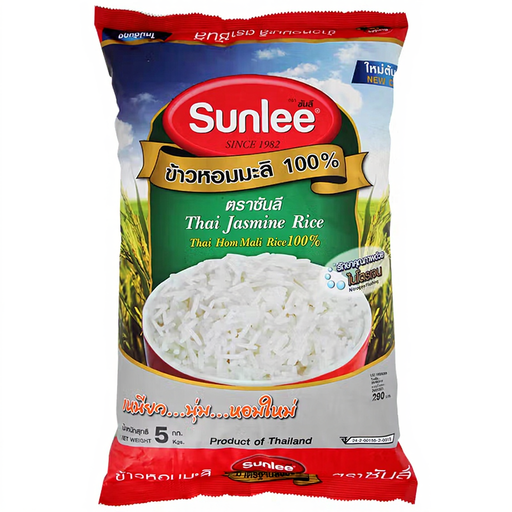
Why it suits this profile: The 5 kg pack is a useful middle-sized option for households that regularly cook fragrant rice without needing to buy a catering-sized stock straight away.
The product information states 100% long grain jasmine rice, an origin in Thailand and a 5 kg bag. This makes the grain type and quantity clear from the outset.
Thai origin, a long-grain texture and a 5 kg pack for everyday meals, stir-fries and curries.
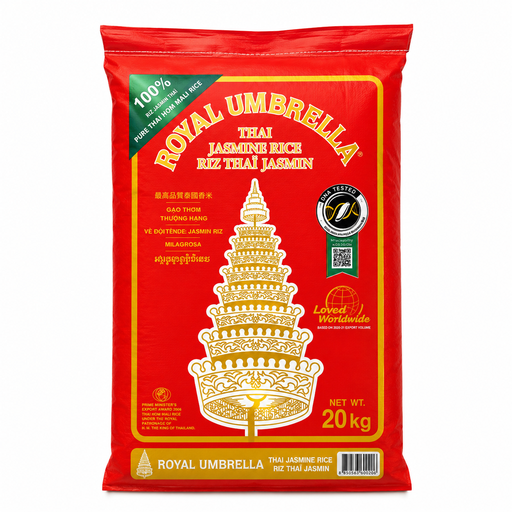
Why it suits this profile: Those who prioritise Thai origin and the Hom Mali designation get a product with a clearly specified rice variety and origin.
The product description states 100% Thai Hom Mali Jasmine Rice and Thailand as the country of origin. This makes the designation more verifiable than an unsupported claim about aroma.
20 kg net contents, a Thai Hom Mali designation and suitability for Thai dishes, everyday meals and high-volume use.
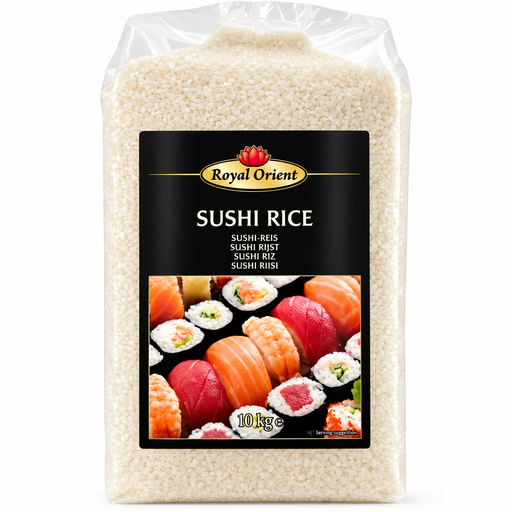
Why it suits this profile: This 10 kg pack is aimed at those who regularly prepare sushi, rice balls or other dishes made with sushi rice.
The product name and ingredients explicitly state sushi rice. This means you do not have to use jasmine rice as an unsuitable base for sushi.
10 kg pack and a product category specifically aimed at sushi; suitable for household or professional use with regular consumption.
We have put together a complete, up-to-date list of products that fully meet these strict selection criteria and the applicable European safety regulations.
Use jasmine rice when you are looking for fragrant long-grain rice for curries, stir-fries and everyday meals. Pandan rice is often used as an alternative name in Dutch shops, but check the precise product description.
Choose sushi rice for sushi, onigiri and poké bowls where the rice needs to hold together. For fried rice, a less sticky long-grain rice may be more practical. Allow the cooked rice to cool before stir-frying; the grains will generally retain their shape better.
For a side dish, allow approximately 75 to 100 grams of uncooked rice per adult. The quantity may be higher for a main course or a group of big eaters. Always follow the ratio on the packaging for specific products, as water absorption and grain structure can vary.
Store rice in a cool, dry place away from sunlight, heat and moisture. After opening, a well-sealed food container is useful. Before use, check the packaging, best-before date and cooking instructions on the label.
Technically, yes, but the result will usually differ from sushi rice. Sushi rice has a round grain and is selected to become stickier after cooking. If you make sushi regularly, a product clearly labelled sushi rice or short-grain rice is the more logical choice.
