
Livraison le jour même et le lendemain

Qualité garantie

Débloquez vos offres de bienvenue: Livraison GRATUITE | Jusqu'à -80 % | 30 jours d'essai gratuits à JoyPlus
Téléchargez l'application
Jasmine rice is a firm favourite among fans of curry, nasi goreng, stir-fries and simple rice bowls. However, not all packs are directly comparable. One bag might mention Thai Hom Mali, while another talks about fragrant long-grain rice or ST25. The difference between 1 kg and 20 kg also affects the price per kilo, freshness and storage.
This practical buying guide will help you know what to look for before you buy jasmine rice.
Words like “premium”, “AAA” and “authentic” sound convincing, but on their own they don’t tell you enough. Always check:
A product name that includes “jasmine” does not automatically mean the rice comes from Thailand. Cambodian jasmine rice and Vietnamese fragrant rice can also have a distinct aroma and a soft texture.
An 18 kg bag of jasmine rice, a 20 kg bag or any other bulk rice pack can be good value if you cook rice often. For a small household, however, a large bag can become impractical if you don’t have a dry, airtight storage space.
Rice absorbs moisture and odours from its surroundings. So store an opened bag in a clean, airtight food container, in a cool, dry place away from direct sunlight. Check the packaging for any damage and always follow the best-before information on the label.
Basmati is also a long-grain rice, but it generally has a different aroma, grain structure and use. Jasmine rice tends to be softer and slightly stickier after cooking. That makes it a good match for curry and dishes where the rice is eaten with sauce. Basmati usually stays fluffier and is widely used for pilau and biryani.
If you’re looking for a pronounced floral aroma, look for Thai jasmine rice labelled Thai Hom Mali. Check that the product information clearly states the rice comes from Thailand. With Vietnamese varieties, ST25 may be mentioned as the rice type. Cambodian jasmine rice is another option within the fragrant rice category.
Also watch out for conflicting information. A product name might say “Cambodian” while the description mentions a different origin. In that case, it’s wise to check the packaging and current product details before you order.
The texture you want depends on your dish:
For nasi goreng, you can let the rice cool after cooking. This often makes the grains easier to stir-fry without clumping together.
Choose the quantity based on how much you actually use:
Compare not just the total price, but also the price per kilo, the storage space you have, and how quickly you’ll use the bag.
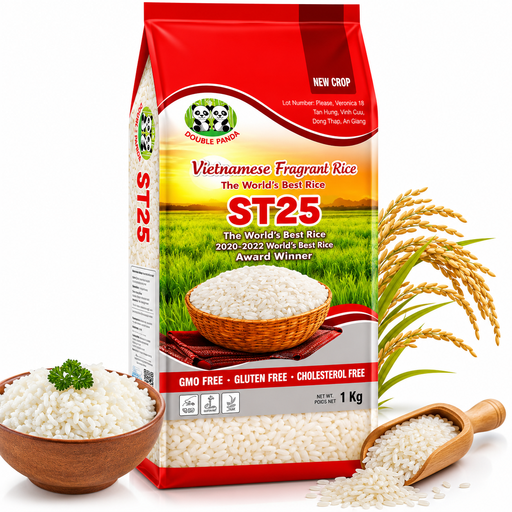
Why this fits the profile: The 1 kg pack limits the risk of buying a large stock before you know whether the aroma and texture suit your cooking style.
The product information states 100% Vietnamese ST25 fragrant rice, the country of origin and cooking methods. So you know more about what you’re buying than with a pack that only carries a general quality claim.
1 kg, long-grain rice, suitable for a rice cooker, steaming or boiling, and usable for rice bowls, nasi goreng and side dishes.
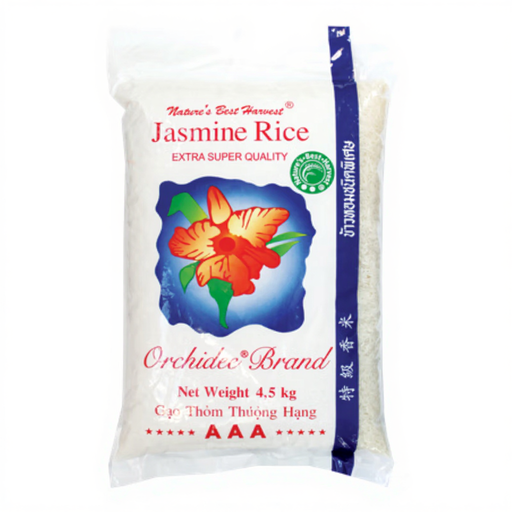
Why this fits the profile: This medium-sized pack combines a clear origin with a format that’s suitable for regular home use.
The product description mentions 100% Cambodian long-grain rice, with no additives or preservatives. The origin and composition are therefore verifiable buying criteria.
4.5 kg, natural fragrance according to the product description, and suitable for stir-fries, curry and everyday meals.
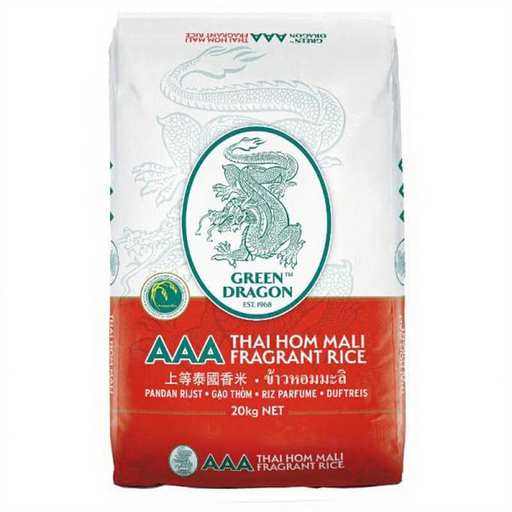
Why this fits the profile: The 20 kg pack is aimed at large households, restaurants and catering where a constant supply of long-grain rice is needed.
The product information explicitly mentions long, slender grains and a fluffy result after cooking. That makes the intended use clearer than a general mention of “fragrant rice”.
20 kg, long-grain and, according to the product description, suitable for biryani, nasi goreng, pilau and other dishes.
We’ve put together a full, up-to-date list of products that fully meet these strict selection criteria and comply with current European safety regulations.
First, rinse the rice with cold water until the water runs less cloudy. Then use the ratio given on the pack, as this can vary by rice type. Some varieties need roughly one part rice to one to two parts water. Let the cooked rice rest for a few minutes with the lid on the pan before you fluff it up.
With Vietnamese ST25, Thai Hom Mali and brown jasmine rice, always follow the manufacturer’s specific instructions. That way you’ll avoid a grain that’s too wet or too dry.
No, although the terms are often used together. Thai Hom Mali refers to a Thai fragrant rice variety. Jasmine rice can also come from Cambodia or Vietnam. So check the origin and ingredients on the product page or packaging.
For curry, soft, aromatic Thai jasmine rice is a logical choice. For nasi goreng, you can use both Thai and Vietnamese fragrant rice. Let the rice cool after cooking and check that the grains stay loose enough for stir-frying.
The shelf life depends on the date on the packaging and how you store it. Keep the rice cool, dry, dark and airtight. A bulk pack is only practical if you use it quickly enough and protect the contents from moisture and pests.
