
Livraison le jour même et le lendemain

Qualité garantie

Débloquez vos offres de bienvenue: Livraison GRATUITE | Jusqu'à -80 % | 30 jours d'essai gratuits à JoyPlus
Téléchargez l'application
Jasmine rice is a popular choice for curries, stir-fries, rice bowls and meal prep. Yet not every bag tastes the same. Origin, grain type, packaging and cooking method all affect the final result. If you only look for words like “premium”, “AAA” or “fragrant”, you could end up paying more without getting rice that suits your needs.
In this buying guide, the Joybuy Product Recommendation Officer compares the key characteristics of jasmine rice. You’ll discover what to look for in Thai jasmine rice, Vietnamese jasmine rice, Cambodian jasmine rice and alternatives such as ST25 rice, sticky rice and red rice.
Terms like AAA, Premium, Hom Mali and fragrant rice sound appealing, but they don’t always tell the full story. Always check the ingredients, country of origin, net weight and grain description.
For example: ST25 refers to a Vietnamese rice variety. Hom Mali refers to a type of Thai fragrant rice. These names are more useful than a vague marketing claim, but they still don’t determine whether a pack is convenient for your household.
Jasmine rice is usually soft, lightly aromatic and slightly sticky after cooking. That makes it suitable for curries, stir-fries and rice bowls. Sticky rice has a much higher stickiness and is intended for dishes such as sticky rice, dumplings and certain desserts.
Likewise, red rice and brown rice are not direct substitutes for white jasmine rice. They have a firmer bite and a different flavour. For a light meal with a Thai curry, fragrant long-grain rice is generally a better choice.
A 1 kg pack of jasmine rice is practical for trying a new variety. For a family that eats rice often, a 4.5 kg bag of jasmine rice can work out more cost-effective per kilo. A 18 kg sack of jasmine rice is mainly sensible for restaurants, caterers, heavy users or large households with a dry, sealed storage area.
Store rice in a cool, dry place, away from direct sunlight and moisture. Keep an opened pack tightly sealed or use a food container. This reduces the risk of quality loss and pests.
First, decide whether you’re looking for a Thai, Vietnamese or Cambodian variety.
Always check the country of origin on the product page or packaging. A brand description is not an independent guarantee of flavour; treat claims as product information from the brand.
If you want soft rice that goes well with sauce, jasmine rice and Hom Mali rice usually fit that purpose. If you prefer grains that stay separate for fried rice or pilaf, pay extra attention to the cooking instructions and the recommended water ratio.
Wash the rice according to the pack instructions and let it rest for a few minutes after cooking. Instructions vary by product. According to the product description, Double Panda ST25 rice can be prepared in a rice cooker, steamed or boiled. Always follow the label for the exact ratio.
A simple guideline:
Compare not only the total price, but also the price per kilo, shelf life, storage space and how quickly you’ll use the bag.
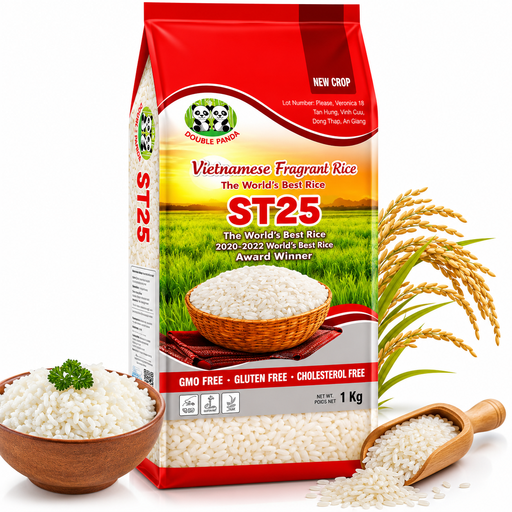
Why this fits the profile: The 1 kg pack makes it easy to try Vietnamese ST25 rice without committing to a large stock.
The product information clearly states Vietnam, ST25, long grain and 100% fragrant rice. So you don’t have to rely on a generic marketing term alone.
1 kg pack; suitable for rice cooker, steaming and boiling; intended for Asian dishes and rice bowls.
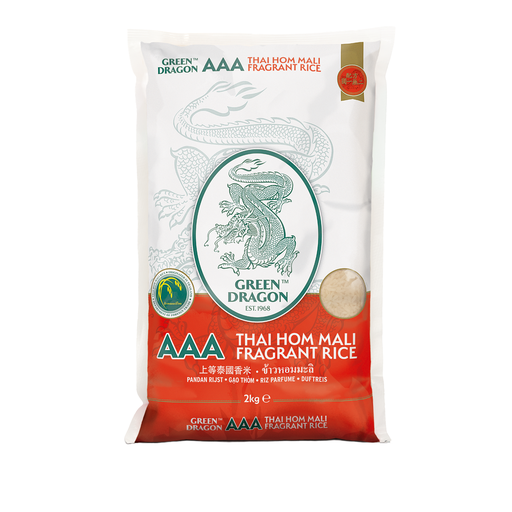
Why this fits the profile: If you’re specifically looking for Thai jasmine rice with a fragrant long grain, this product clearly states Hom Mali and Thailand in the description.
The description mentions the country of origin, Hom Mali, long grain and suggested uses. That gives you more to go on than just the term “aromatic”.
100% Thai Hom Mali fragrant rice according to the product information; 2 kg for regular family use.
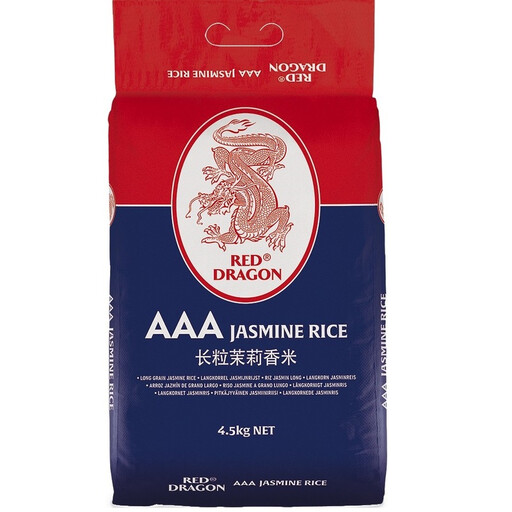
Why this fits the profile: The 4.5 kg bag is practical for families, meal prep and home cooks who prepare rice several times a week.
The product details state Cambodia as the origin, 100% Cambodian jasmine rice and a long-grain structure. The bulk pack size is also clearly visible.
4.5 kg net weight; suitable for stir-fries, curries and rice bowls; soft texture according to the product description.
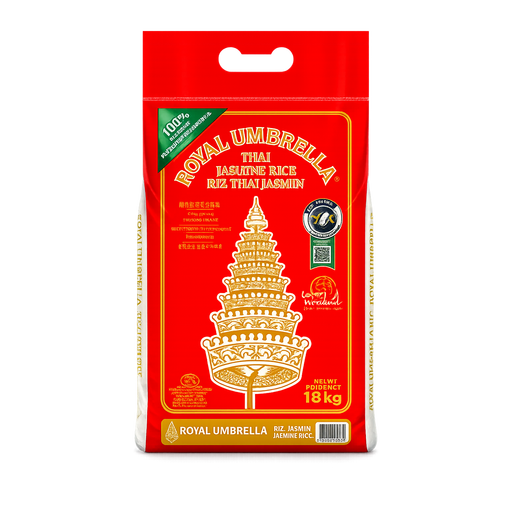
Why this fits the profile: The 18 kg sack is designed for restaurants, catering and households with a high rice consumption and enough dry storage space.
The size makes your consumption clear upfront. The product information also states Thailand, Hom Mali, long grains and applications for restaurants and catering.
18 kg net weight; 100% Thai Hom Mali jasmine rice according to the product data; long grains described as soft and fluffy.
We’ve put together a full, up-to-date list of products that fully meet these strict selection criteria and current European safety regulations.
The main difference is the origin and variety. Thai jasmine rice is often labelled as Hom Mali and is known for a natural fragrance and soft texture according to product descriptions. Vietnamese varieties, such as ST25 rice, have their own variety name and are also offered as aromatic long-grain rice. The flavour varies by product and cooking method.
This varies by brand, cooking method and desired texture. Some product packs recommend about one part rice to one part water, while other descriptions mention two parts water per cup of rice. So use the instructions on the pack as a starting point. Rinse the rice and let it rest for a few minutes after cooking.
The shelf life is stated on the pack. After opening, store the rice in a cool, dry, dark place and keep it well sealed. Choose a bag size that matches your consumption: 1 kg for occasional use, 4.5 kg for regular home cooks and 18 kg for heavy use. This prevents the rice from staying open unnecessarily long.
