
Vandaag of morgen in huis

Kwaliteit gegarandeerd

Welkomstaanbiedingen ontgrendelen: GRATIS bezorging | Tot 80% korting | Gratis 30 dagen JoyPlus-proefperiode
Download de app
Jasmine rice is a firm favourite with families, home cooks and restaurants because the grains turn soft after cooking and give off that distinctive fragrance. However, not every bag labelled “fragrant”, “perfume” or “AAA” is the same. The right choice depends on the dish you’re making, the texture you want, and how much rice you actually use.
Terms like “premium”, “AAA” and “Hom Mali” catch your eye, but always check the ingredients list, origin and rice variety. Thai Hom Mali rice refers to a specific Thai jasmine rice variety. A product labelled simply “jasmine rice” may give you less information about its exact origin.
According to information from some brands, a particular fragrance or texture is highlighted. Treat this as the manufacturer’s product information, not a guaranteed result in every kitchen. Your cooking method, pan, water quantity and storage time all play a part too.
A 10 kg, 18 kg or 20 kg bag of jasmine rice might look better value per kilogram. That saving disappears if the bag stays open for a long time, losing its aroma or absorbing moisture. For a small household, a 1 kg or 2 kg bag of jasmine rice is often more practical. Families, restaurants and foodservice businesses, on the other hand, can benefit from a larger pack – provided you have a dry storage space.
Also, watch out for conflicting product information. A product name might say “18 kg”, but the description could mention a different net weight. So always check the net weight on the product page and on the packaging before you order.
Jasmine rice, pandan rice and long-grain rice are sometimes used interchangeably. Jasmine rice is usually aromatic and, once cooked, soft with a slight stickiness. Ordinary long-grain rice tends to stay fluffier. Glutinous rice is designed to clump together firmly, while sushi rice has a short, round Japonica grain that’s ideal for sushi and onigiri.
For nasi, curries and stir-fries, jasmine rice works well. For sushi, sushi rice makes more sense, and for Thai desserts or steamed sticky rice dishes, choose a product that clearly says “glutinous rice” or “sticky rice”.
Look for whether it says 100% Thai jasmine rice, Cambodian jasmine rice or Vietnamese fragrant rice. Thai jasmine rice, also known as Thai Hom Mali rice, suits dishes where a pronounced aroma is desired. Cambodian varieties are also long-grain and fragrant. Vietnamese ST25 rice is often described as fragrant long-grain rice.
The origin doesn’t just affect the name – it can also tell you something about the expected grain shape and cooking result. Always check the country of origin on the actual packaging.
So a bag labelled “fragrant long grain rice” is not the same as sushi rice or glutinous rice.
Choose the size based on how much you use:
Rinse the rice a few times until the water runs less cloudy. Then follow the ratio on the packaging. For example, a Royal Tiger product states a ratio of one part rice to one part water, while Blue Silk ST25 recommends one part rice to roughly 1.25 parts water. So there’s no universal ratio for every jasmine rice.
Store an opened bag in a cool, dry place, sealed tightly, away from direct sunlight, heat and moisture. As for allergens: always check the actual packaging. The product information for many plain rice products doesn’t list any of the 14 main EU allergens, but labels can change.
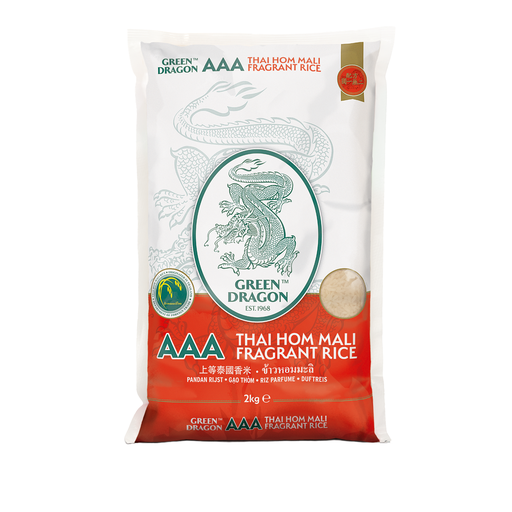
Why this fits the profile: The 2 kg pack is manageable for anyone trying Thai jasmine rice for the first time who doesn’t want to stock up in bulk. The product description states 100% Thai Hom Mali fragrant rice and a long grain.
The smaller size reduces the risk of having too much stock. Do check the current best-before date and store the opened bag airtight.
2 kg, 100% Thai Hom Mali according to the product information, and suitable for wok dishes, curries and everyday meals.
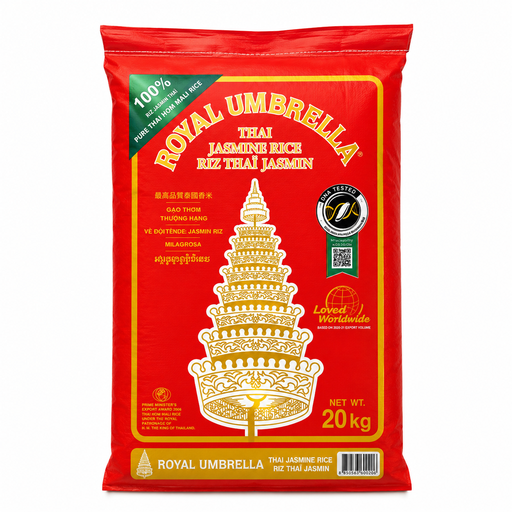
Why this fits the profile: This product states 100% Thai Hom Mali Jasmine Rice and Thailand as the country of origin. It suits shoppers who focus on origin and use a large quantity.
The origin and ingredients are clearly described. Check the net weight on the actual packaging before buying, especially with bulk packs.
Thai Hom Mali according to the product specification, suitable for Thai dishes and a large pack size for regular use.
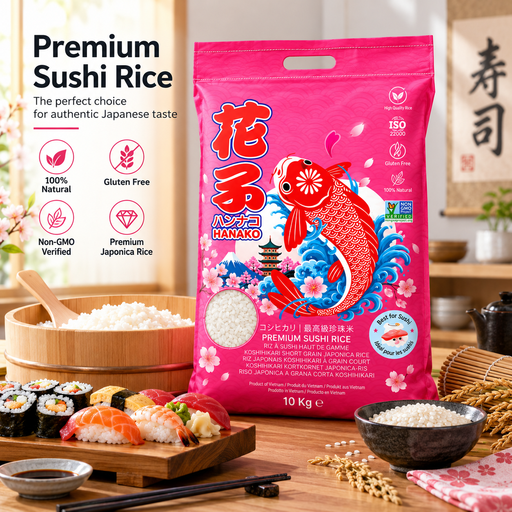
Why this fits the profile: This 10 kg pack is aimed at frequent use and foodservice. It’s short-grain Japonica rice, not jasmine rice, so it’s specifically suited to sushi, onigiri and rice bowls.
The rice type is clearly stated as short-grain Japonica. This stops you buying jasmine rice when you actually need a sticky rice for sushi.
10 kg, short grain, soft and slightly sticky texture according to the product information; suitable for sushi and onigiri.
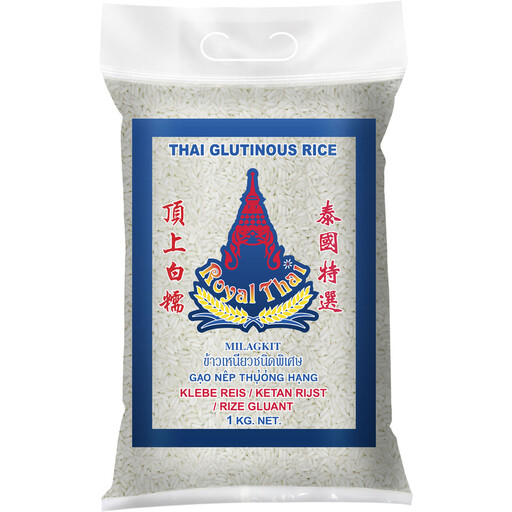
Why this fits the profile: This is glutinous rice for uses where the rice needs to be deliberately sticky. The 1 kg bag is suitable for desserts, steamed dishes and smaller recipes.
The name “glutinous rice” makes it clear this isn’t a loose long-grain rice. So you can choose more precisely for that desired sticky texture.
1 kg, explicitly labelled as sticky rice and suitable for specific Thai preparations.
We’ve put together a full, up-to-date list of products that fully meet these strict selection criteria and comply with current European safety regulations.
The names are sometimes used interchangeably in the UK, but check the product label. Jasmine rice is usually an aromatic long-grain rice from Thailand, Cambodia or Vietnam. “Pandan rice” may be used as a trade name for fragrant rice, but the exact type and origin will be on the label.
As a rough guide, allow about 75 to 100 grams of uncooked rice per adult, depending on the dish and appetite. Use less for children or a meal with plenty of vegetables and protein. Always follow the instructions on the packaging for water and cooking time first.
Dry rice generally keeps for a long time as long as the bag is stored dry, cool and well sealed. The exact best-before date is on the packaging. Throw the rice away if the bag is damaged or if you notice moisture, insects or an unusual smell.
