
Vandaag of morgen in huis

Kwaliteit gegarandeerd

Welkomstaanbiedingen ontgrendelen: GRATIS bezorging | Tot 80% korting | Gratis 30 dagen JoyPlus-proefperiode
Download de app
Japanese soft drinks are popular with fans of Japanese cuisine, anime and distinctive flavours. From Japanese ramune with a marble to Tomomasu soda in peach or melon flavours, the selection is remarkably diverse. However, not every bottle suits the same occasion. A small bottle can be ideal for a party, while a box of 24 is more practical for regular use.
As a Joybuy Product Recommendation Officer, I filter the key product information so you can distinguish marketing language from verifiable details. Pay particular attention to the size, ingredients, nutritional values and packaging before placing your order.
A ramune bottle with a marble is distinctive and fun to open, but the bottle itself does not determine whether you will enjoy the flavour. Mango, lychee, strawberry, melon and blueberry can all be intensely sweet and aromatic. Always check the flavour variant and, where available, the ingredients list.
Some drinks contain only a small percentage of fruit juice. According to the product information, Tomomasu Yubari Melon Cider, for example, contains 1% Yubari melon juice, alongside sweeteners, flavourings and carbon dioxide. That does not automatically make the product less suitable, but it does help set realistic expectations.
Japanese sparkling drinks often contain sugar or glucose-fructose syrup. Nutritional values vary by flavour and brand. Tomomasu White Peach Sparkling Soda, for example, lists 39 kcal per 100 ml, while HATA Soda Musk Melon lists 43 kcal per 100 ml. For a bottle of 200, 245 or 300 ml, do not look only at the value per 100 ml.
Also be mindful of terms such as “fruity”, “refreshing” and “natural”. These describe the flavour profile; they are not a guarantee of a high fruit content or low sugar content.
A 200 ml bottle is convenient as an individual serving for a party or tasting session. For everyday use, a multipack may offer better value and practicality. Tomomasu White Peach Sparkling Soda is supplied as 24 bottles of 300 ml. That is a different purchase from a single 200 ml bottle of ramune, even though both fall under the Japanese soft drinks category.
Also check the best-before date on the packaging. Information on a website may change; the physical packaging is the authoritative source.
Start by choosing the flavour profile you prefer:
If you have allergies, always check the current ingredients on the label. Even when an online product page does not list any of the 14 major EU allergens, the packaging remains the most up-to-date source.
Use the nutritional value per 100 ml to compare products fairly. Across the range, listed values vary from approximately 35 to 55 kcal per 100 ml. In addition to energy, check:
A drink containing 39 kcal per 100 ml provides approximately three times that amount in a 300 ml bottle. Exact values may vary by packaging.
Ramune is known for its Codd-neck bottle with a glass marble. Opening it is part of the experience, but do so on a stable surface and follow the instructions on the label. HATA Strawberry Ramune, for example, states that young children require supervision and that the marble must not be removed.
A ramune bottle is primarily suited to a single serving. A resealable bottle or multipack may be more practical when you want to serve the drink at home, at a barbecue or with a Japanese meal.
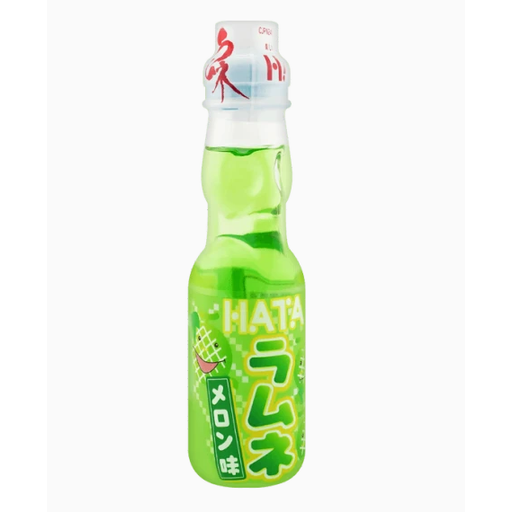
Why it is a good fit: A single 200 ml bottle is ideal for trying ramune for the first time or serving individually during a film night or Japanese meal.
You do not have to buy a large supply before knowing whether the sweet melon flavour and compact format suit you.
200 ml per bottle and classic ramune packaging; check the current nutritional values on the label.
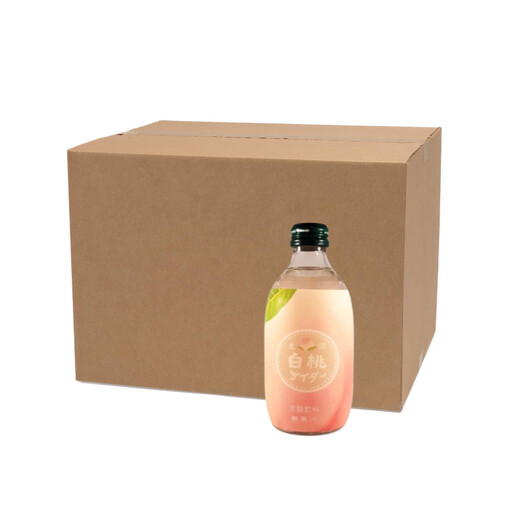
Why it is a good fit: The larger box is convenient for anyone who regularly serves alcohol-free Japanese drinks or wants to keep a supply ready for guests.
The number of bottles and the volume are clearly stated, making it easier to match your supply to your consumption.
24 bottles of 300 ml; the product information lists 39 kcal per 100 ml and 0 g of fat, protein and sodium.
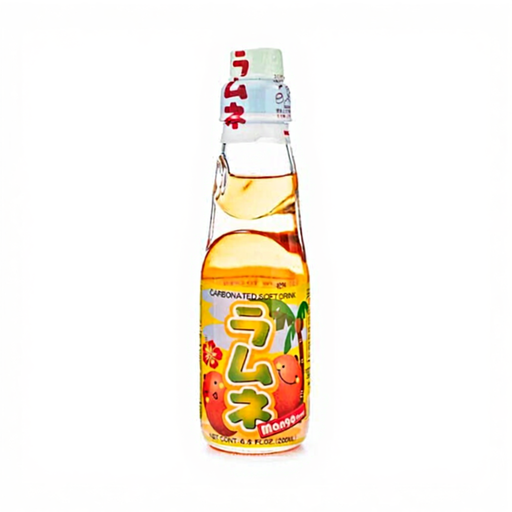
Why it is a good fit: The mango flavour and glass bottle with marble create a Japanese pop-culture experience that works well for parties, tastings and gift hampers.
You are deliberately choosing the bottle-opening experience and a 200 ml serving rather than relying solely on the eye-catching packaging.
Mango flavour, ramune bottle and, according to the product information, 35 kcal per 100 ml; serving chilled suits the occasion.
Browse a current selection of Japanese fruit drinks and compare flavours, formats and product information before placing your order.
If you are not looking for ramune, you can also choose a standard Japanese sparkling drink. According to the available product information, Tomomasu Yubari Melon Cider and Tomomasu Shinshu Apricot Cider are alcohol-free options with 0.0% ABV. The apricot variant lists 44 kcal per 100 ml and 1% apricot juice. For a tropical flavour, Tomomasu Miyazaki Mango Ji cider is another option.
HATA Lychee Ramune, GENKI Ramune Strawberry and GENKI Ramune Blueberry are smaller 200 ml bottles. These variants are suitable for a tasting session or a mixed table of Japanese drinks. For homemade Japanese lemonade, Tbest Yuzu Tea is a concentrate: the product information recommends mixing 3 to 4 teaspoons with hot or cold water. It is therefore not a ready-to-drink soda.
Ramune is usually recognisable by its glass Codd-neck bottle with a marble. Japanese soda may also be sold in a standard bottle, can or other type of packaging. The main difference is therefore the bottle and presentation, not just the fruit flavour.
Store unopened bottles according to the label, generally in a cool, dry place away from direct sunlight. Once opened, the drink should usually be refrigerated and consumed within the stated period. Before use, check that the seal is intact.
For a party, individual 200 ml ramune bottles are practical because each guest receives their own bottle. For larger groups, a box of 24 300 ml bottles of Tomomasu White Peach is more convenient. Before ordering, compare the number of guests, total volume and preferred flavours.
