
Vandaag of morgen in huis

Kwaliteit gegarandeerd

Welkomstaanbiedingen ontgrendelen: GRATIS bezorging | Tot 80% korting | Gratis 30 dagen JoyPlus-proefperiode
Download de app
Buying a bottle of Japanese soft drink seems straightforward until you have to choose between Ramune, cherry cola, fruity soda and large multipacks. Product photos and eye-catching packaging grab your attention, but they do not always tell you exactly what you are getting. Checking the volume, ingredients and occasion before buying can help you avoid a disappointing purchase.
A Sakura design, anime-inspired look or unusual bottle makes a drink appealing as a gift or collectors’ item. However, the packaging does not determine whether you will enjoy the flavour. Ramune Sakura soda, for example, is a sweet, sparkling soft drink with its own distinctive flavour profile. That is different from a classic cherry soft drink or cherry-flavoured cola.
That is why you should read the product description and check whether it is:
A 200 ml bottle is suitable as a small treat, alongside a Japanese snack or as part of a tasting session. For a family, cupboard stock or event, a multipack of bottles or cans is often more practical. So do not just compare the price per pack; also compare the price per litre.
You should also consider how the drink is consumed. A bottle with a marble stopper is fun to open, but less convenient if you want to reseal the drink. Cans are easy to hand out, while large bottles can mean less packaging per litre.
A sugar-free soft drink generally contains sweeteners instead of sugar. Coca-Cola Zero Sugar Cherry Soda, for example, lists aspartame and acesulfame-K. Its nutritional values may therefore differ significantly from ordinary cherry cola, but the flavour and ingredients list are not identical.
Always check the label for:
The volume determines how you will use the drink. The JP Hatakosen Ramune Sakura Soda - 200 ml is a compact serving. The bottle has a codd-neck closure with a marble and, according to the product description, comes from Japan. This makes the Japanese soda particularly suitable for a tasting session, gift hamper or themed evening.
Larger packs are more convenient for everyday use. A multipack containing 6 bottles of 1.5 litres is intended for use at home. A box of 24 cans of 330 ml is better suited to keeping in stock, parties or serving individually.
Not every cherry flavour tastes the same. A cherry soft drink can be sweet and fruity, while cherry cola has a cola base, acids and often caffeine. Ramune is another distinct Japanese drink with a sweet, refreshing profile.
Use this classification as a quick guide:
According to Coca-Cola’s own information, regular Coca-Cola Cherry contains 11.3 to 11.4 grams of sugar per 100 ml, depending on the packaging. Coca-Cola Zero Sugar Cherry Soda lists 0 grams of sugar per 100 ml. Check the current packaging before buying, as the recipe and labelling may vary by market or pack size.
Carbonated drinks should be stored in a cool place away from direct sunlight. Once opened, the bottle or pack should be refrigerated according to the product information and consumed within the stated period.
The listed allergens vary from product to product. The Ramune Sakura products state that they do not contain any of the 14 main EU allergens. Coca-Cola Zero Sugar Cherry Soda lists sulphites. If you have allergies, always check the physical label before drinking.
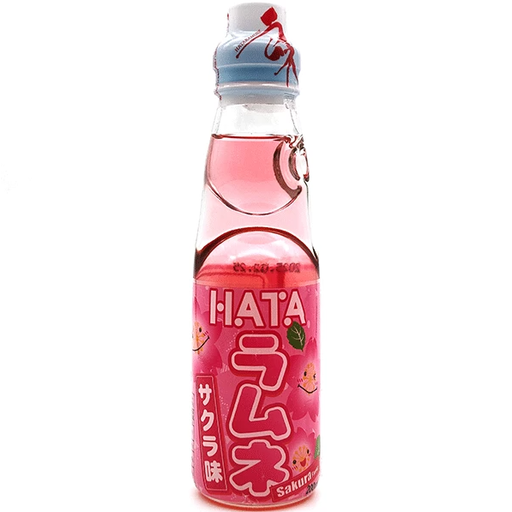
Why it suits this profile: The small volume limits the risk when you are trying Japanese soft drinks for the first time. The Sakura bottle is also suitable as part of a gift or tasting session.
The 200 ml volume makes the serving size clear. The product information also lists the marble stopper, ingredients and nutritional values.
200 ml per bottle; Sakura design; codd-neck bottle with marble; 35 kcal and 8.7 g of sugar per 100 ml according to the product information.
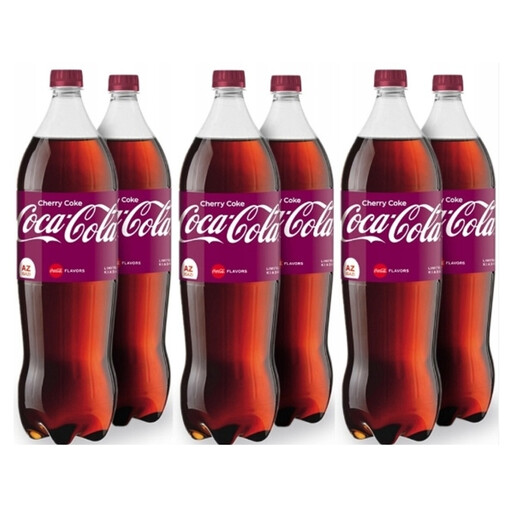
Why it suits this profile: A large multipack is practical for households that regularly want to serve chilled cherry cola and do not want to keep ordering individual bottles.
The packaging clearly states that it contains 6 bottles of 1.5 litres. This allows you to estimate the total supply and price per litre in advance.
6 x 1.5 litres; cherry flavour with a cola base; 45 kcal and 11.3 g of sugar per 100 ml according to the product information.
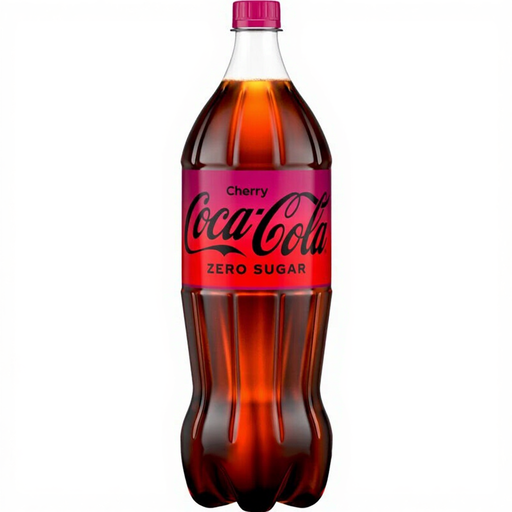
Why it suits this profile: This version is aimed at buyers looking for cherry flavour without sugar according to the stated nutritional values, and who want a multipack to keep in stock.
The label clearly shows the difference from ordinary cherry cola: 0 g of sugar and 0.4 kcal per 100 ml according to the product information. However, it does contain sweeteners and sulphites.
6 x 1.5 litres; 0 g of sugar per 100 ml according to the product listing; contains aspartame, acesulfame-K and caffeine.
Would you like to compare several flavours? According to the product description, Chupa Chups Cherry Bubblegum Soda in a 345 ml bottle has a sweet cherry bubblegum flavour. Fernandes Cherry Bouquet is a sparkling cherry-flavoured lemonade in a 330 ml bottle. For a different fruity option, Ice Talk Blueberry Ade is available in a 230 ml pouch.
If you need a large number of cans, consider Coca-Cola Cherry Cola Soft Drink - 24 x 330 ml. This pack contains 24 cans and lists 46 kcal and 11.4 g of sugar per 100 ml. For a sugar-free drink that you dilute at home, DubbelFrisss Raspberry Cranberry is a different category: it is a syrup, not a ready-to-drink Japanese soda.
When buying soft drinks online, it is sensible to compare three points side by side: the total volume, the nutritional values per 100 ml and the flavour you want. This helps prevent a small bottle from costing more than expected or a large box from being unsuitable for your consumption.
We have put together a complete, up-to-date list of products that fully meet these strict selection criteria and the applicable European safety regulations.
Ramune is a Japanese carbonated soft drink often sold in a codd-neck bottle with a glass marble. The marble seals the bottle and is part of the drinking experience. The volume is often smaller than that of regular soft drinks, such as the 200 ml used for Hatakosen Sakura Soda.
The best-before information is shown on the packaging. Store unopened bottles in a cool, dry place away from direct sunlight. Once opened, the soft drink should be refrigerated according to the product information and consumed within the stated period. Also check that the closure is undamaged before use.
This varies by brand and flavour. Hatakosen Sakura Soda lists 8.7 g of sugar per 100 ml. Coca-Cola Zero Sugar Cherry Soda lists 0 g of sugar per 100 ml, but contains sweeteners and caffeine. Always compare the nutritional table and ingredients list on the current packaging.
