
当日/次日达

品质保障

开启新人专享福利: 全场免邮 | 低至 2 折 | 免费试用 30 天 JoyPlus 会员
下载 Joybuy
A bottle of Japanese ramune soft drink immediately stands out thanks to the marble in the neck, colourful design and sweet flavour. This makes the Japanese fizzy drink ideal for an anime party, Japanese snack night, gift hamper or little treat. However, not every bottle of ramune is the same. If you focus only on the packaging or an appealing flavour name, you may choose a product that is not suited to the occasion.
The main differences lie in the contents, bottle design, ingredients and packaging. With the buying tips below, you can compare ramune practically without being swayed by exaggerated marketing claims.
A ramune with a marble bottle uses what is known as a Codd-neck bottle. The marble seals the bottle and drops into a special chamber in the neck when it is opened. This is part of the drinking experience, but the bottle must be opened on a flat, stable surface.
The HATA Original Ramune Carbonated Drink 200ml states that you should keep the pressure cap pressed down for several seconds after the marble has dropped. The product information also recommends supervision when young children are present. Never try to remove the marble from the bottle.
Ramune is generally a sweet, carbonated soft drink. Names such as ramune lychee, ramune mango or ramune strawberry mainly indicate the flavour profile. They do not automatically mean that the drink contains a large amount of real fruit.
So always check the ingredients list. Various products list ingredients including sugar, glucose-fructose syrup, carbon dioxide, citric acid and flavourings. HATA Lychee Ramune, for example, mentions lychee flavouring. If you are looking for a fruity taste, it is also worth checking the precise description and nutritional information on the label.
Most classic bottles contain ramune 200 ml. This is a manageable serving for a treat or tasting session. A 500 ml bottle may seem more practical for a party or catering use, but after opening, the drink should be kept chilled and used within the period stated on the packaging.
Also consider breakability. Glass bottles with marbles create an appealing atmosphere, but they require more care during transport, storage and serving than cans or smaller packages.
Choose 200 ml for individual consumption, a tasting pack or a children’s party where several flavours are being offered. For sharing, picnics or events, 500 ml may be the more logical choice. According to the product description, the Hatakosen Ramune Hata Soda Ramune 500ml is offered for occasions including parties and picnics.
For catering, presentation is also important. A traditional bottle attracts attention, but make sure you factor storage space, refrigeration and glass safety into your planning.
Always check the current label. Product information on a website may differ from the packaging. Several ramune products state that they contain none of the 14 major EU allergens, but check this for each individual variety.
Some products contain colourings. Hatakosen Ramune Muscat, for example, lists E102 and E133. For E102, the product information includes the legally required warning that this colouring may have an adverse effect on children’s activity and attention. This is relevant information when buying drinks for children or for a school or family party.
Compare nutritional values per 100 ml, not just per bottle. HATA Original Ramune, for example, lists 35 kcal and 8.5 grams of sugar per 100 ml. A 200 ml bottle therefore contains approximately twice that amount per full bottle, depending on the current product composition.
A sugar-free or calorie-free variety is not automatically ramune with a fruit flavour. GENKI RAMUNE Plain Soda Drink is described as a neutral carbonated drink with no sugar or calories. This may be interesting as a mixer, but the taste experience differs from that of classic sweet ramune.
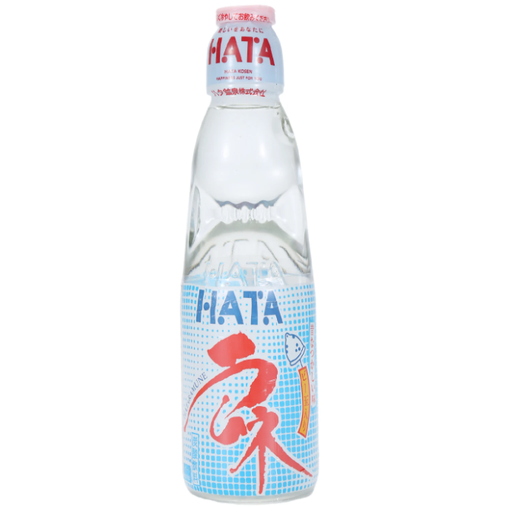
Why it suits this profile: The 200 ml bottle offers a familiar introduction to classic ramune, with a bubblegum-like flavour according to the product description.
The contents are clearly stated, and the opening instructions explain the marble system before you buy the bottle.
200 ml; made in Japan according to the product information; none of the 14 major EU allergens listed.
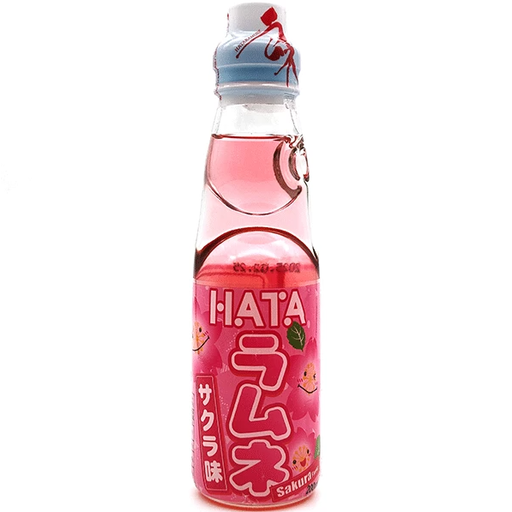
Why it suits this profile: The Sakura version combines a traditional bottle with a decorative design, making it ideal for gift hampers, themed parties and collectors of Japanese pop culture.
It is clearly a 200 ml product with a Codd-neck bottle, so you are not paying for more drink than you need.
Sakura design; marble closure; according to the product information, 35 kcal and 8.7 grams of sugar per 100 ml.
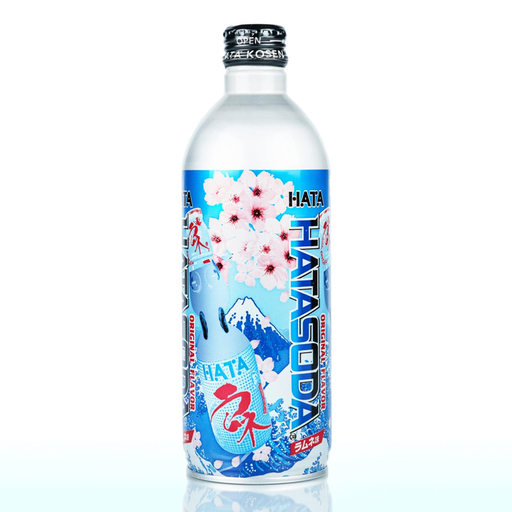
Why it suits this profile: According to the product description, the larger bottle is intended for parties, picnics or sharing, making this version suitable for catering and events.
The 500 ml capacity is clearly stated. Make sure you plan chilled storage after opening and take the glass bottle format into account.
500 ml; traditional marble closure; according to the product description, contains no added artificial colourings.
We have put together a complete, up-to-date list of products that fully meet these strict selection criteria and the applicable European safety regulations.
Stand the bottle upright on a flat, stable surface. Remove the tab or protective film and press the pressure cap firmly downwards. Keep the cap pressed for several seconds after the marble has dropped into the neck. The marble remains in the designated chamber. Do not let young children open the bottle unsupervised.
Always check the date and instructions on the packaging. After opening, ramune should generally be kept chilled and consumed within the stated period. Check the bottle beforehand for a damaged seal and do not drink the contents if the closure has been broken before first use.
First work out how many bottles you need and choose between 200 ml per person or a larger bottle for sharing. Also check the flavour, ingredients, any colourings, refrigeration options and the breakability of glass bottles. For a themed party, you can combine different flavours, such as original, lychee, mango and strawberry.
