
Vandaag of morgen in huis

Kwaliteit gegarandeerd

Welkomstaanbiedingen ontgrendelen: GRATIS bezorging | Tot 80% korting | Gratis 30 dagen JoyPlus-proefperiode
Download de app
Japanese Ramune soft drinks stand out for their fruity flavour, fine carbonation and distinctive bottle with a glass marble. This makes the Japanese fizzy drink popular with fans of anime, Asian snacks and unusual beverages. However, not every pack is equally suitable for every occasion.
If you only look at the eye-catching bottle or an attractive multipack, it is easy to buy too much, choose a flavour that is not right for you or miss important product information. This practical buying guide helps you compare Ramune soda based on size, flavour, ingredients and intended use.
A box of 24 or 30 bottles may seem good value, but an unopened fruity soft drink is not suitable for storage indefinitely. If you do not yet know whether you like strawberry, lychee, mango or blueberry, it is better to try a single bottle first.
Also pay attention to the difference between 200 ml per bottle and larger bottles of 245 or 300 ml. The number of bottles does not tell you everything about the total quantity.
A Ramune marble bottle has a special closure. You use the opener provided to push the glass marble inside. This is part of the drinking experience, but opening the bottle requires a stable surface and a degree of care.
Some product descriptions warn that children should open the bottle under adult supervision. The marble is not intended to be removed from the bottle. In addition, check the closure before use and always follow the instructions on the packaging.
Words such as ‘refreshing’, ‘authentic’ or ‘natural’ mean little without the ingredients list and nutrition table. According to the product information provided by some brands, the drink may contain ingredients including sugar, glucose-fructose syrup, flavourings, citric acid and colourings.
Therefore, check the following for each variant:
The packaging may contain more or different information than an online product page. Treat the label as your main source of information.
A 200 ml bottle is practical for a party, lunch, picnic or first taste of Japanese soft drinks. Larger 300 ml bottles provide more drink per person, while multipacks of 24 or 30 bottles are particularly suitable for parties, shop stock or regular use.
Compare the total quantity before looking at the price. A multipack is not automatically better value if you will not use some of the bottles.
Ramune usually has a sweet, fruity base with carbonation. However, the taste experience can vary considerably:
Brands may make their own flavour or quality claims. Do not treat these as definitive judgements; look at the listed ingredients and nutritional values on the label.
The classic Ramune bottle is made of glass and uses a glass marble as its closure. This gives it a recognisably Japanese appearance, but makes the bottle less suitable for situations where glass could fall. HataSoda variants of 300 ml also use a glass bottle, but do not always have the same Ramune closure.
For travel, children’s parties or events, it is wise to check in advance whether glass is practical and permitted. Serve the drink chilled for a more refreshing experience, and store unopened bottles in a cool, dry place away from direct sunlight.
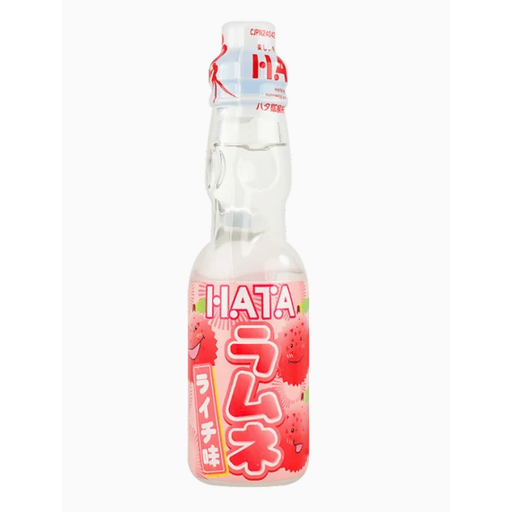
Why it suits this profile: A single 200 ml bottle makes it easier to try Japanese lychee-flavoured lemonade without immediately buying a large supply.
The single-serve format prevents you from being left with dozens of unwanted bottles of one flavour. Check the complete ingredients list on the packaging, including the listed colour E133.
200 ml per bottle, lychee flavour and a classic carbonated drink. Suitable for trying on its own or serving with an Asian meal.
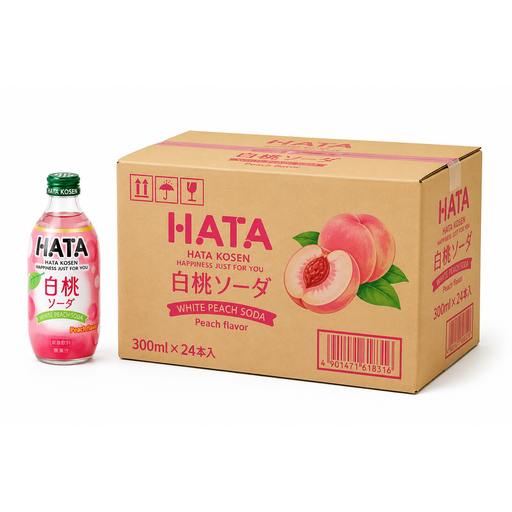
Why it suits this profile: This multipack is aimed at shoppers looking for a consistent fruity flavour and more drink per bottle for home use or special occasions.
The product information specifies 300 ml per glass bottle and a box of 24. This makes it easier to estimate how much stock you need in advance.
White peach flavour, 300 ml per bottle and approximately 38 kcal per 100 ml according to the product information. The ingredients list includes peach concentrate and a preservative.
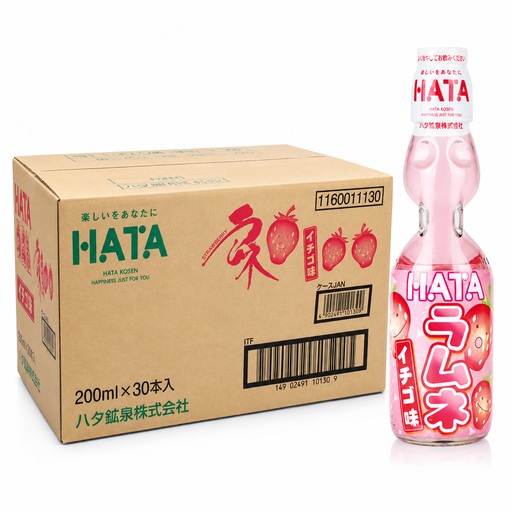
Why it suits this profile: A box of 30 bottles is ideal for party organisers, anime events and households where Japanese drinks are served regularly.
The fixed quantity makes it easier to plan your stock. Store the bottles somewhere cool and allow enough space for the glass packaging; also check the opening instructions before the event.
30 bottles of 200 ml, strawberry flavour and a classic Ramune closure with a glass marble. The stated nutritional value is 39 kcal and 9.0 g of sugar per 100 ml.
We have put together a complete, up-to-date list of products that fully meet these strict selection criteria and the applicable European safety regulations.
Chill the bottle before opening. Place a Ramune bottle on a flat surface, remove the opener from the packaging and gently push the marble downwards. The pressure may cause liquid to splash. Once opened, it is best to keep the drink chilled and consume it within the period stated on the label.
Take care around children because of the glass material, marble and need to open the bottle under supervision. An opened bottle is also less suitable for taking with you for a long time, as the carbonation and flavour may diminish.
Ramune is a Japanese carbonated soft drink that is often sold in a glass bottle with a marble closure. The drink is available in flavours such as strawberry, lychee, peach, mango, watermelon and blueberry. The exact ingredients vary by brand and variant.
Place the bottle securely on a stable surface, remove the plastic seal and use the opener provided to push the glass marble inside. Hold your hand briefly over the opening and open the bottle slowly. Always check the instructions on the packaging and ensure children do this under supervision.
The unopened shelf life is stated on the packaging. Store the bottle in a cool, dry place away from direct sunlight. After opening, Ramune should be kept chilled and consumed within the stated period. Check the closure and do not drink the contents if the packaging was damaged before opening.
