
Vandaag of morgen in huis

Kwaliteit gegarandeerd

Welkomstaanbiedingen ontgrendelen: GRATIS bezorging | Tot 80% korting | Gratis 30 dagen JoyPlus-proefperiode
Download de app
Thick udon noodles are popular with anyone who wants to get a quick meal on the table at home. Yet many packets look much the same. Differences include portion sizes, texture, ingredients and how they’re prepared. If you choose based only on words such as “authentic”, “chewy” or “Korean-style”, you may end up with a product that’s less suited to the meal you have planned.
Colorful Manor’s Japanese udon noodles 3 x 200 g are designed for shoppers looking for a multipack with separate portions. The product information gives a total weight of 600 g, divided into three individually packed portions. That’s handy for families, meal prep or a quick meal for one.
The product is labelled “Japanese Style Udon”, while the product description also refers to Korean-style udon. This doesn’t automatically mean the noodles are made using one specific regional method. Always check the product name, ingredients list and information on the packaging.
If you’re looking for a very specific flavour or preparation method, check whether a sauce, stock or seasoning mix is included. These udon noodles are sold on their own, with no flavour sachets listed.
“600 g udon noodles” doesn’t tell you much about how practical the pack is. A single large pack may be less convenient once opened if you only need one portion. Three 200 g portions mean you don’t have to open the whole pack every time.
Also check the difference between net weight and the number of portions. For this product, the stated 600 g is made up of three 200 g packs.
The product description calls these udon thick noodles with a soft, chewy texture. That describes the texture you can expect, not a universal cooking time. Exact instructions may vary between packs, so follow the directions on the label and avoid leaving the noodles in boiling water or stock for too long.
For a household with several people, a multipack is easier to portion than a single serving. The 3 x 200 g format works well for three separate meals or a meal for several people. For stir-fries, you can combine one portion with vegetables, tofu, egg or meat. For soup or hotpot, the amount per person may vary depending on the other ingredients.
According to the product information provided, the noodles are made from wheat flour, water and salt. They therefore contain wheat and gluten. The information also states that they may contain traces of soya. If you need to take a food allergy or intolerance into account, always check the current packaging.
The product description says the noodles are suitable for vegetarians and vegans. Check the label again when you buy them, especially if the recipe or packaging has changed. According to the listed ingredients, the noodles themselves contain no meat or dairy, but the full allergen information on the packaging takes precedence.
Udon for soup should absorb flavour without falling apart too quickly. For stir-fries, it’s important to drain the noodles well after cooking so the sauce doesn’t become watery. For hotpot, you can add the udon towards the end, so it doesn’t sit in the hot stock for too long.
According to the product description, these Japanese udon noodles are suitable for:
The description mentions a soft, chewy texture and quick, simple preparation. Check the packaging for the exact cooking method and time.
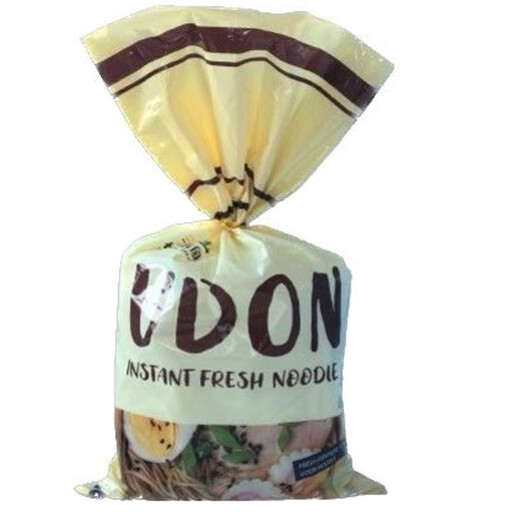
Why it suits this profile: Three individually packed portions make it easy to prepare a bowl of soup or a stir-fry without waste.
The total weight is clearly divided into 3 x 200 g portions. The ingredients and allergens are listed separately, so you don’t have to rely on marketing claims alone.
600 g total weight, three separate portions and, according to the product information, suitable for vegetarian and vegan meals.
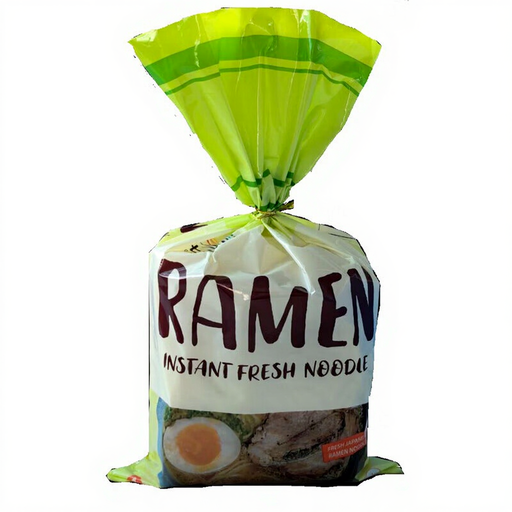
Why it suits this profile: An alternative if you’d like to make Korean noodle dishes, cold noodles or stir-fries as well as udon.
The product information lists wheat, cassava flour, wheat protein and soya. This lets you check in advance whether the ingredients suit your meal and allergen requirements.
600 g split into three portions; according to the product description, suitable for soup, stir-fries and cold noodles.
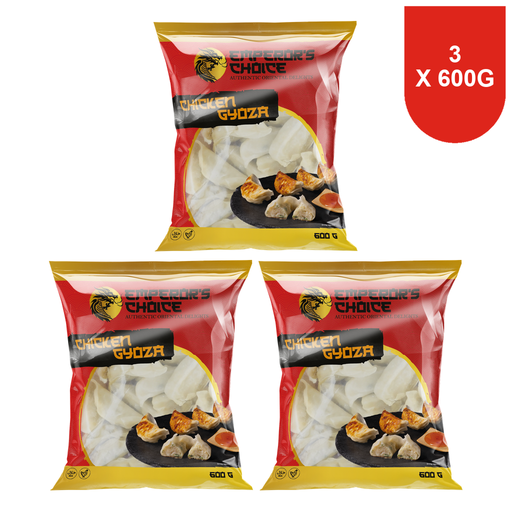
Why it suits this profile: A handy accompaniment to udon for a more substantial hotpot or multi-dish Asian meal.
The cooking and storage instructions are clearly stated. The product is frozen and, according to the description, should be cooked from frozen.
Suitable for pan-frying, deep-frying, boiling or steaming; the packaging lists allergens such as wheat, soya and sesame.
We’ve put together a complete, up-to-date list of products that meet these strict selection criteria and current European safety regulations.
Use the instructions on the packaging as your guide. Add udon to soup when the stock is nearly ready. For a stir-fry, cook the noodles briefly, then toss them with the sauce and vegetables. For hotpot, it’s best to add them towards the end.
Store unopened packs according to the instructions on the label, in a cool, dry place away from direct sunlight, heat and moisture. Don’t use a pack if it’s damaged. The best-before date and any information about storage after opening are shown on the packaging.
The pack contains three separate 200 g portions, making 600 g in total. Whether 200 g is enough for one person depends on the toppings, vegetables, stock and other ingredients in the meal.
According to the product description, they’re labelled as suitable for vegetarians and vegans. The listed ingredients are wheat flour, water and salt. Always check the current packaging for allergens and any changes to the recipe.
Check the best-before information on the packaging. Store unopened noodles according to the storage instructions provided. After opening, seal the pack carefully and follow the directions on the label.
