Vandaag of morgen in huis

Kwaliteit gegarandeerd

Welkomstaanbiedingen ontgrendelen: GRATIS bezorging | Tot 80% korting | Gratis 30 dagen JoyPlus-proefperiode
Download de app
Looking for authentic Japanese tea? The selection can be overwhelming, and it's not always clear what you're buying. You want a pure flavour experience, without unnecessary additives, but with the convenience of quick preparation.
As a Joybuy Product Recommendation Officer, I help you make choices based on clear product information. In this article, we'll discuss popular types of Japanese tea and provide specific recommendations, so you can confidently find the right tea for your palate.
Before you make a choice, it's helpful to know a few basic principles. This will help you better understand the different types of tea from Japan.
Not all Japanese green tea is the same. The flavour is heavily influenced by the processing method. The three most accessible types are:
For an authentic experience, it's advisable to choose tea that actually comes from Japan. Check the ingredients list on the packaging. A quality Japanese tea will have a short list, ideally just "green tea" or a combination with natural ingredients like roasted rice. This guarantees a pure flavour without artificial additives.
While loose-leaf tea is traditional, high-quality Japanese tea bags offer an excellent and practical alternative. They are ideal for those who want to enjoy an authentic flavour quickly and without fuss. Brands like HAMASA YUKI tea package their tea in individual bags to preserve freshness and aroma.
Based on product features and popularity, we have selected three accessible Japanese tea varieties from the brand HAMASA YUKI.
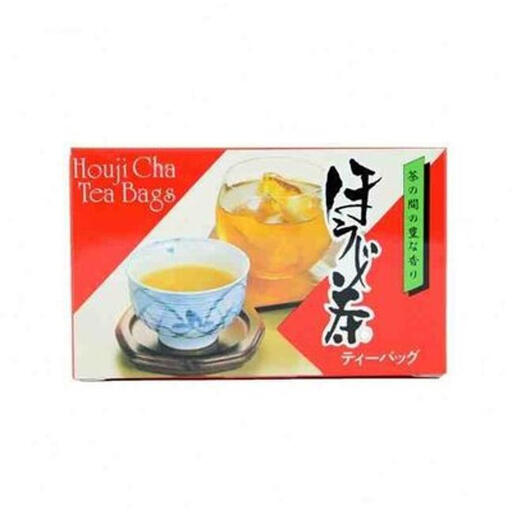
Why It Stands Out This houjicha is made from 100% premium green tea leaves that have been expertly roasted. This process creates a remarkably mild, aromatic, and roasted flavour. It's an excellent choice for any time of day, as it is naturally low in caffeine.
Key Features
Who Is It For? Ideal for tea drinkers looking for a smooth, soothing beverage with a unique flavour. It's also a great starting point for those new to Japanese tea or sensitive to caffeine.
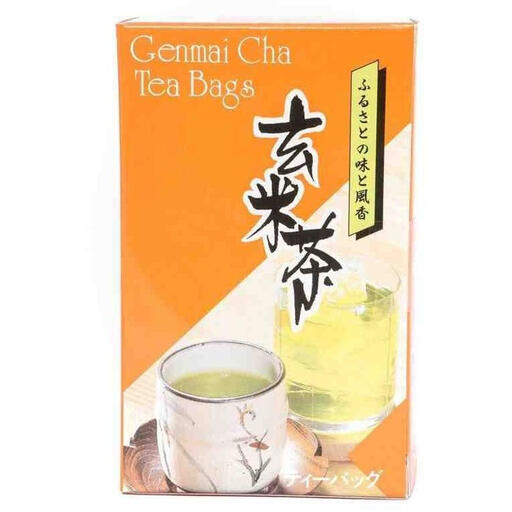
Why It Stands OutGenmaicha is a traditional Japanese blend that combines green tea with roasted brown rice. This version from HAMASA YUKI offers a perfect balance between the freshness of the tea and the savory, nutty aroma of the rice.
Key Features
Who Is It For? For adventurous tea drinkers who enjoy a savory undertone in their beverage. It's a popular choice for fans of Japanese cuisine looking for a complementary tea.
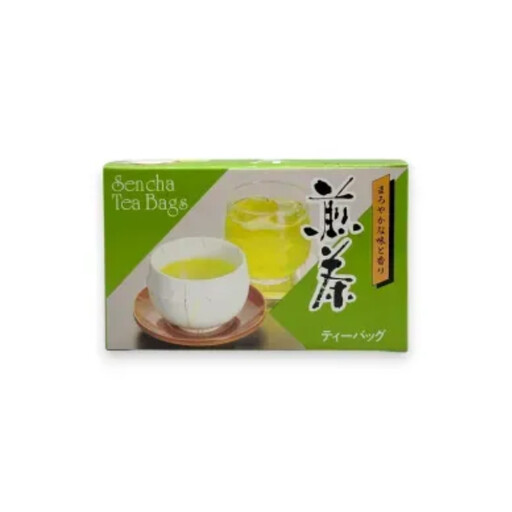
Why It Stands Out This sencha delivers the classic taste of Japanese green tea in a convenient tea bag. The carefully selected tea leaves provide a subtle, grassy flavour and the characteristic vibrant green colour for which sencha is known.
Key Features
Who Is It For? Perfect for purists and lovers of classic green tea. If you appreciate the pure, refreshing taste of steamed green tea, this is an excellent choice.
These three teas offer a great starting point into the world of Japanese tea. Curious about other flavours or package sizes?
-> Explore our full range of 40g Tea here
The main difference lies in the processing. Japanese green tea leaves are typically steamed briefly to halt oxidation, which results in a fresher, greener, and more vegetal (umami) flavour. Chinese green tea is often pan-fired, which gives it a milder, more earthy, and sometimes slightly smoky taste.
For a great taste without bitterness, water temperature is key. Use water that is just off the boil, around 80°C (175°F). Let the tea bag steep for 1 to 2 minutes. A longer steeping time, especially for sencha, can cause a bitter taste.
Of the types discussed, houjicha has the lowest caffeine content. The roasting process breaks down some of the caffeine in the tea leaves. Due to the addition of rice, Genmaicha also contains relatively less caffeine per cup than pure sencha.