
Vandaag of morgen in huis

Kwaliteit gegarandeerd

Welkomstaanbiedingen ontgrendelen: GRATIS bezorging | Tot 80% korting | Gratis 30 dagen JoyPlus-proefperiode
Download de app
Soft Japanese and Taiwanese snacks are popular with fans of Asian desserts, but comparing them online isn’t always straightforward. A colourful packet tells you little about the taste, portion size or allergens. Terms like “premium”, “authentic” and “light” can also distract you from the information that really matters before you buy.
With this guide, you can compare mochi, castella cake, baumkuchen cake and dorayaki using verifiable product details. That way, you can make a more informed choice – whether you’re after a snack with your coffee or tea, a treat for the family, or individually wrapped goodies to share.
A snack with strawberry, mango or matcha on the front doesn’t automatically contain lots of fruit or tea. Always check the ingredients list and see where the flavouring appears. For example, the Bamboo House Double Filling Strawberry Mochi lists strawberry paste alongside milk cream and glutinous rice powder. That gives you a far more realistic picture than the image on the packet alone.
Mochi can refer to a soft rice cake with fruit filling, a creamy double filling, or a compact sweet snack with something like peanut butter. The texture varies from product to product. So look out for terms like glutinous rice, glutinous rice powder, double filling and the preparation instructions.
Mochi is also a sticky snack. Chew slowly and follow any warnings on the packaging. Supervision is advisable, especially with children.
Many Asian sweets contain wheat, egg, milk, soya, peanuts or sesame. Always check the label, even if you’ve bought the product before. Storage requirements can also differ: some castella cakes need to be kept in the fridge, while baumkuchen and certain mochi should be stored in a cool, dry place.
If you’re looking to buy mochi, it’s a good idea to decide what texture you want first. A soft outer layer with fruit and milk cream feels very different from RF Mochi Peanut Butter, where peanut butter is used as a distinct filling. For a fruity option, strawberry, peach, mango, lychee and blueberry fillings are available.
With Japanese mochi and Taiwanese mochi, the packaging is often individual pieces. That’s handy for a lunchbox, studying or visiting. Just check whether the pack needs to be resealed after opening and how quickly the product should be eaten.
A large bag isn’t automatically better value if you’re mainly after small portions. Compare the net weight and the number of pieces. The Sakuraseika Amaou Strawberry Castella contains three individually wrapped pieces in a 105g pack. The Taiyo Halal Certified Baumkuchen Cake Original is sold in packs of six. These sizes are useful if you want to share or plan several occasions.
Use the nutritional information table to compare products consistently. The Atom Japanese Chocolate Baum Cake, for example, states 420 kcal per 100g and contains wheat, egg, milk and soya. The product information also notes that traces of peanuts, nuts and sesame may be present.
Looking for a halal baumkuchen? The Taiyo products carry “Halal Certified” in the product name. Always check the current packaging label and any certification details when you buy. A product title alone is no substitute for checking the packaging, especially if you have allergies or specific dietary requirements.
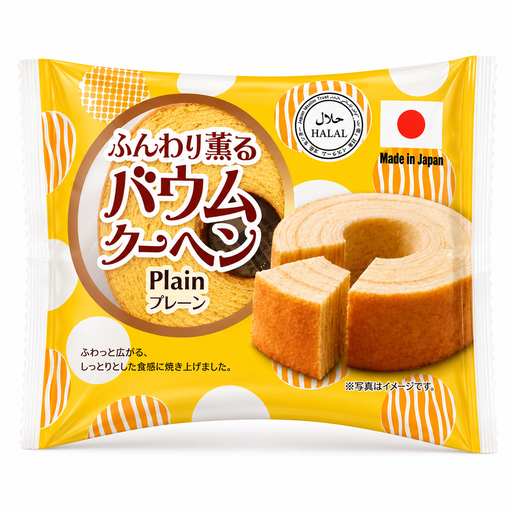
Why it fits the profile: The small size is ideal for trying a Japanese cake or baumkuchen cake for the first time without buying a larger pack.
The product information clearly states the net weight, ingredients and allergens. This means you can check the flavour and composition rather than relying on the packaging alone.
52g, a soft cake texture and an original variant with honey as part of the ingredients.
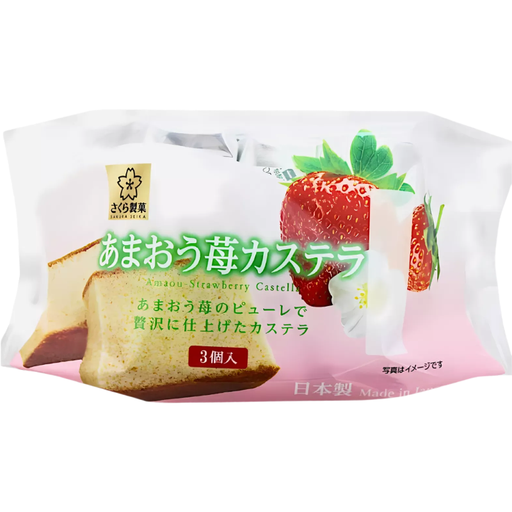
Why it fits the profile: This Japanese castella cake combines a soft sponge with a strawberry flavour and three individually wrapped portions for a special moment with tea or coffee.
The three portions are individually wrapped. The ingredients list includes Amaou strawberry purée; also check the allergens present, such as egg and wheat.
105g, three pieces and storage advice in the fridge according to the product description.
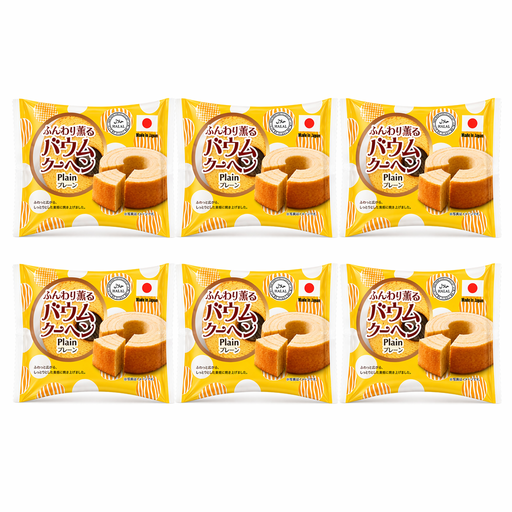
Why it fits the profile: The pack of six is practical for visitors, a family or stocking up on sweet treats. The product name mentions halal certification.
The portion size is clear upfront. Still check the current halal label and allergen information on the packaging before buying.
Six individual cakes, original flavour and allergen information including egg, wheat, milk and soya.
We’ve put together a full, up-to-date list of products that fully meet these strict selection criteria and comply with current European safety regulations.
Both varieties often use glutinous rice flour or glutinous rice powder for a soft, elastic outer layer. The difference lies mainly in the recipe, filling and product style. Taiwanese mochi frequently contains double fillings, such as fruit paste with milk cream. Always check the ingredients and country of origin on the label.
Follow the storage advice for each product. Many mochi should be kept unopened in a cool, dry place away from direct sunlight. Some cakes, like the strawberry castella mentioned, need to be stored in the fridge. Once opened, a well-sealed pack is important to prevent drying out or loss of quality.
Not without checking. Many products contain egg, wheat, milk or soya; some may contain traces of peanuts, nuts or sesame. Read the full allergen information on the product packaging before buying and eating. This also applies to products with a halal label.
