Vandaag of morgen in huis

Kwaliteit gegarandeerd

Welkomstaanbiedingen ontgrendelen: GRATIS bezorging | Tot 80% korting | Gratis 30 dagen JoyPlus-proefperiode
Download de app
Japanese tableware adds a touch of elegance and authenticity to any meal. Whether you're serving a bowl of ramen or presenting sushi, the right dinnerware completes the experience. But the search for the perfect set can be frustrating. The market is filled with products that look beautiful but prove disappointing in practice.
As a Product Recommendation Officer at Joybuy, I see where many people go wrong. Before you invest in a new Japanese tableware set, it's important to understand the common pitfalls that lead to a disappointing purchase.
By paying attention to a few key aspects, you can avoid these problems and choose a set you'll enjoy for years to come.
To make a durable and functional choice, it's wise to look beyond aesthetics. Pay attention to the following three specifications that determine whether a Japanese tableware set is suitable for daily use.
The term ceramic tableware is a broad category. The specific type of material determines its durability and ease of use.
Additionally, always check if the product is specified as lead and cadmium-free. This standard guarantees that no harmful substances can leach into your food, an absolute must for food safety.
Authenticity doesn't have to be impractical. For use in a modern kitchen, two features are crucial:
Japanese tableware is designed with a purpose. The shape supports the dish. Think about what you plan to serve.
To help you with your choice, we have selected a few products that fit different user profiles and meet the criteria mentioned above.
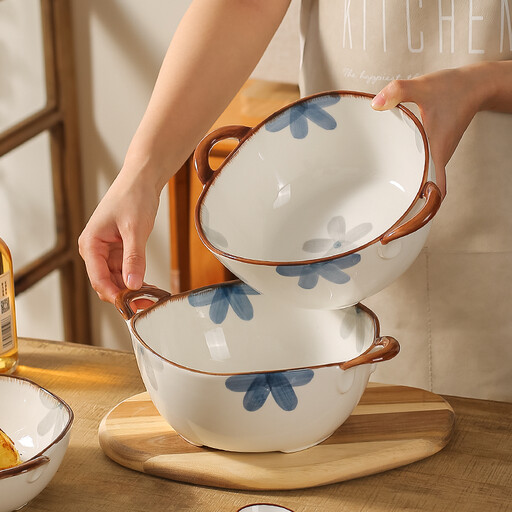
Why This Fits Their Persona: Perfect for the home cook who regularly makes large, hot portions of ramen, udon, or other meal soups and values ease of use.
This design is purely functional. The very generous 1400 ml capacity and double handles make it practical for hot soups, unlike shallow, awkward bowls that are merely decorative.
Very large capacity for full meal soups. The handles provide a safe and comfortable grip when serving hot liquids.
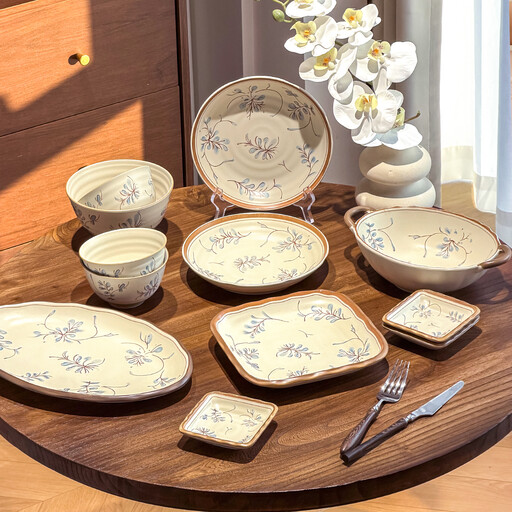
Why This Fits Their Persona: Ideal for those who want to create a complete, aesthetically cohesive table setting for a dinner for two, without having to hunt for individual matching pieces.
This is a truly complete 10-piece set for two people, including bowls, plates, spoons, and chopsticks. You avoid the pitfall of an incomplete set and don't need to make expensive additional purchases.
Provides a complete and coordinated dining experience for two. The uniform floral design ensures a stylish presentation.
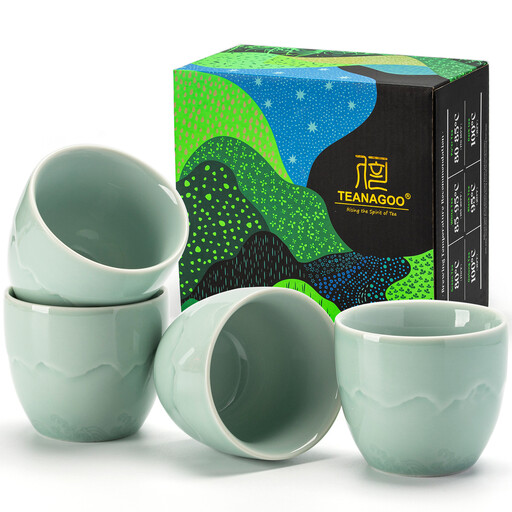
Why This Fits Their Persona: For those who appreciate Japanese tea culture and are looking for functional, traditional-looking handleless cups for serving Japanese or Asian tea.
According to the manufacturer TEANAGOO, this tableware is made from high-quality, lead and cadmium-free ceramic. It is also microwave and dishwasher safe, which guarantees the durability that is sometimes lacking in fragile "artisanal" pieces.
Combines a traditional celadon glaze with a textured exterior for grip. The smooth interior makes cleaning easy.
A careful choice is half the battle. If you want to explore more styles and sets that meet practical requirements for daily use, check out our full collection.
That depends entirely on the product. Modern ceramic tableware is often designed for convenience, but pieces with hand-painted details or metallic accents typically require hand washing. Always check the manufacturer's product specifications. The products mentioned above clearly state whether they are microwave and dishwasher safe.
Opt for a stronger material like stoneware or porcelain instead of earthenware. Also, avoid sudden, extreme temperature changes (for example, placing a bowl directly from the refrigerator into a hot oven). Although many sets are dishwasher safe, hand washing can extend the life of the glaze and any decorations.
Critically examine the contents of the set. Does it include the pieces you will actually use, such as deep Japanese bowls for noodles, small dishes for side dishes, and chopstick rests? A "10-piece set" can sometimes consist of five cups and five saucers, which might not be what you're looking for. Determine in advance what you need for the meals you plan to serve.