
Vandaag of morgen in huis

Kwaliteit gegarandeerd

Welkomstaanbiedingen ontgrendelen: GRATIS bezorging | Tot 80% korting | Gratis 30 dagen JoyPlus-proefperiode
Download de app
Buying Japanese sweets may seem straightforward, but the selection varies considerably in texture, packaging, origin and ingredients. Looking for Japanese mochi, fruity sweets or distinctive Japanese biscuits to enjoy at home, on the go or at a party? It is worth looking beyond eye-catching packaging or a familiar flavour.
Three common pitfalls are worth keeping in mind:
Texture is one of the key differences between Japanese treats. Mochi sweets are generally made with glutinous rice flour, rice or starch, giving them a soft, elastic bite. Some varieties contain a creamy or fruity filling.
Japanese gummies and soft sweets are typically firmer and remain chewy for longer. Jellies made with konjac or other gelling agents have a smooth, gel-like consistency. Japanese biscuits offer a clear contrast: a crisp exterior paired with flavours such as chocolate, strawberry or milk.
Choose according to how you plan to enjoy them:
Ingredient lists for imported sweets may be organised differently from those you are used to. Always check the current packaging, particularly if you have allergies or specific dietary requirements. Common ingredients in this range include:
A statement such as “does not contain any of the 14 major EU allergens” applies only to the specific product and its current recipe. Check the packaging if in doubt. For example, Seiki Ramune Mochi states that it contains soya and may contain traces of wheat and milk. Q-Brand Tropical Fruity Mini Mochi lists mango and milk as allergens. The information on the label remains the definitive reference.
Do not compare price alone; consider the net weight as well. An 80-gram bag is ideal for trying a flavour for the first time, while 180 or 210 grams may be more suitable for a family or party.
Also pay attention to storage instructions:
Individually wrapped pieces are convenient for sharing and help keep the rest of the pack sealed. This makes them particularly practical for the office, school, picnics or gift boxes.
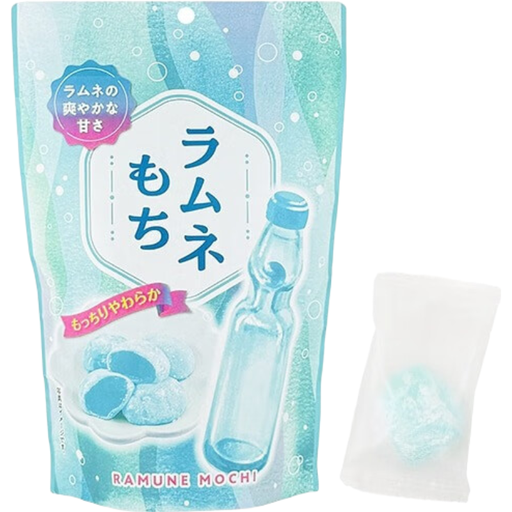
Why It Suits Them: An accessible introduction to Japanese mochi for anyone keen to try a distinctive flavour without committing to several packs. The ramune flavour evokes the taste of Japanese soda.
The product description specifies a weight of 130 grams and individually wrapped pieces. This makes the contents easier to portion than a single large, loose bag.
Soft, chewy texture; individually wrapped; product information states that it is imported from Japan.
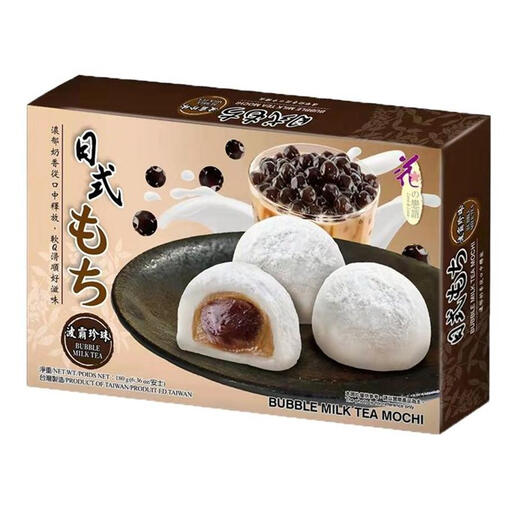
Why It Suits Them: Designed for lovers of contemporary flavour combinations who want to pair bubble milk tea with mochi’s classic soft texture.
The product information describes a milk tea filling and individually wrapped portions. This makes it clear in advance that it is not simply an unfilled fruit-flavoured sweet.
180 grams; individually wrapped; product information lists milk as an allergen and states that no artificial colourings or preservatives are used.
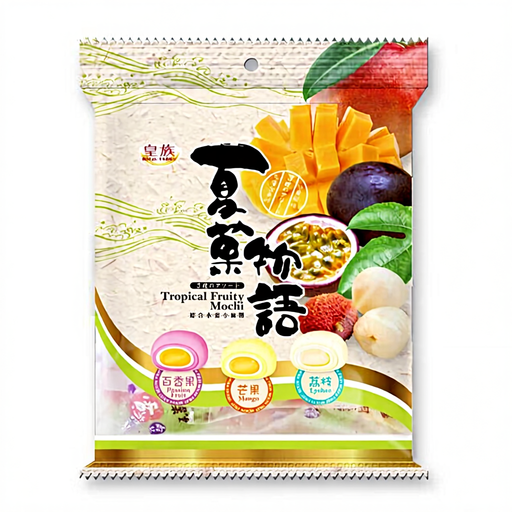
Why It Suits Them: A practical choice for families, parties and snack lovers who want to offer several fruity flavours in a single pack.
The product description lists mango, passion fruit and lychee juice. Be sure to check the storage instructions: refrigeration after opening and prompt consumption are recommended.
120 grams; several tropical fruit flavours; product information lists mango and milk as allergens.
If you prefer crisp sweets, consider Tokimeki Panda Cookie Biscuit Chocolate Flavor 40 g. The compact pack is ideal for a lunchbox, workday or small treat. The ingredients list includes wheat, milk, egg and soya.
For a fresh, soft fruit flavour, ENNJOI Peeling Gummy Candy Grape Flavor 80 g is an appealing option. According to the product description, these sweets are grape-shaped and have a soft, chewy texture. The ingredients list includes gelatine and several colourings.
Green tea enthusiasts may wish to try Yuki & Love Mochi Green Tea 140 g. The product information lists green tea paste and soya as an allergen. For a tropical pairing, Yuki & Love Mochi Pineapple & Mango 180 g and Yuki & Love Mochi Pineapple & Coconut 180 g offer alternatives featuring mango and coconut respectively.
We have compiled a complete, real-time list of products that fully satisfy these strict selection criteria and UK safety regulations.
Mochi typically has a soft, elastic exterior made from glutinous rice or starch. Gummies are generally firmer and are made with gelatine or other gelling agents. The exact texture varies by brand and recipe.
Not always. Follow the instructions on the packaging. Several products in this range recommend refrigerating an opened pack and consuming it within a few days. Unopened mochi is often stored in a cool, dry place.
Choose products weighing 120 grams or more, such as Seiki Ramune Mochi, Q-Brand Tropical Fruity Mini Mochi or Love & Love Bubble Milk Tea Mochi. For variety, pair them with Japanese biscuits, gummies and small packs such as Tokimeki Panda Cookies. Check the allergens in advance and clearly indicate them when serving.
