
Vandaag of morgen in huis

Kwaliteit gegarandeerd

Welkomstaanbiedingen ontgrendelen: GRATIS bezorging | Tot 80% korting | Gratis 30 dagen JoyPlus-proefperiode
Download de app
When you’re looking for Japanese sweets and snacks, you’ll come across plenty of unusual flavours and colourful packaging online. That makes choosing fun, but also tricky. A packet with Japanese characters, for example, doesn’t automatically mean the product comes from Japan. What’s more, portion sizes, allergens and storage instructions can vary a lot from one snack to another.
With this practical selection guide, you’ll know what to look out for before you buy Japanese sweets – whether you’re after mochi to share, a small snack for on the go, or putting together a gift set.
Not every Asian snack comes from Japan. The range includes products from Japan, but also mochi from Taiwan, a red-bean mochi from China and fruit candy from South Korea. So always check the stated country of origin and the responsible importer.
A product can be made in a Japanese style without actually being made in Japan. That’s not a problem, as long as you know what you’re buying.
Flavour names like matcha latte, ramune, melon soda or Shine Muscat refer to a flavour profile. They don’t automatically mean there’s a large amount of real tea, grape or fruit inside. Check the ingredients list to see whether, for example, juice concentrate, flavouring or colourings have been used.
With some products, the brand may make claims about the product’s effect or quality. Based on the brand’s own research, certain product characteristics may be attributed, but don’t treat such marketing information as an independent guarantee. Instead, focus on verifiable details on the label.
A bag with six pieces might seem handy, but the total amount varies from product to product. Orihiro jelly, for example, comes as six portions totalling 120 grams, whereas a bag of soft sweets could have a completely different weight. So always compare the net weight, number of portions and the recommended storage method.
Japanese treats come in a variety of textures:
With mochi and jelly, pay attention to the texture if you plan to take the snack to work, school or a party. Soft products can become stickier in warm weather. Konjac jelly should be eaten as directed on the packaging; don’t give this type of snack to young children without care, because of its firm gel texture.
Before you buy, check for things like:
For example, the Seiki Ramune Mochi contains soya and may contain traces of wheat and milk. The Kanro Gold Milk Candy Matcha Latte contains milk. The Yuki & Love Mochi Mango may contain traces of gluten, peanuts, soya, nuts and sesame. The SEOJU peach sweets contain peach and beef gelatine.
For allergies, always use the current packaging as your guide. Product information can change, and the packaging carries the most up-to-date legal labelling.
Individually wrapped pieces are practical for sharing and for taking on the go. The Seiki Ramune Mochi (130 g) and the Seiki Shine Muscat Daifuku (130 g) both have individually wrapped portions. That helps keep the rest of the pack sealed.
Generally, store sweets and snacks in a cool, dry place, away from direct sunlight and out of the way of heat and moisture. Some mochi needs to be refrigerated after opening. For example, the Yuki & Love Mochi Boba Milk Tea states that the product must be chilled after opening and consumed within one day. Always check the best-before date on the packaging too.
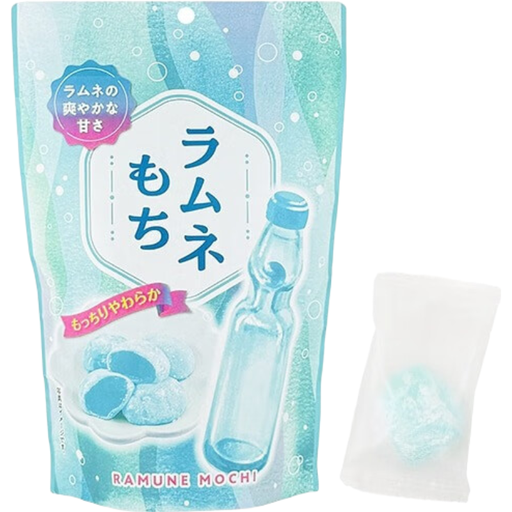
Why this fits the profile: An easy introduction to mochi thanks to the familiar sweet and slightly tangy ramune flavour. The individually wrapped pieces are ideal for trying at home or sharing with others.
The product states a net weight of 130 grams and individually wrapped portions. This gives you a clearer idea of what you’re getting than with a vague mixed pack.
Soft, chewy mochi; ramune flavour; individual wrapping; according to the product information, imported from Japan.
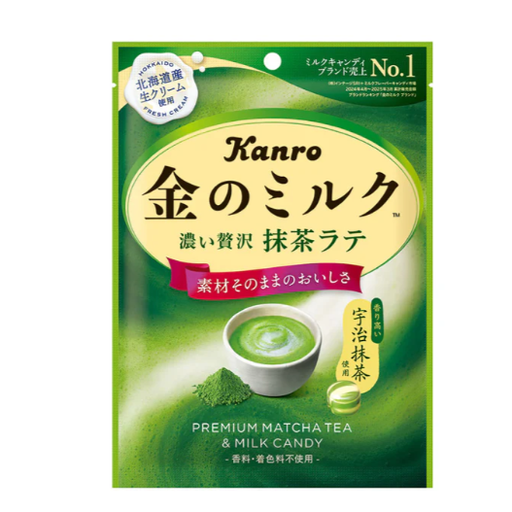
Why this fits the profile: Ideal for anyone looking for a distinctly creamy candy with matcha, rather than a fruity gummy or filled mochi.
The product information explicitly lists milk and matcha as ingredients. This means you can better match your flavour expectations to the ingredients list.
Matcha and milk flavour; individually wrapped sweets; 61 grams; according to the product information, a product from Japan.
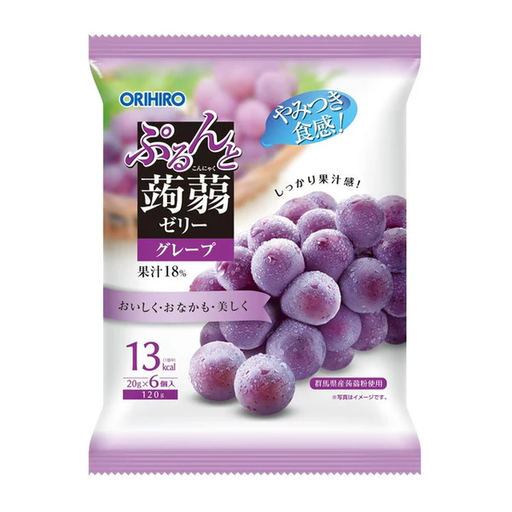
Why this fits the profile: Handy for shoppers who want six small, individual portions for on the go, a lunchbox or a chilled dessert moment.
The number of portions and total weight are clearly stated: six individually wrapped pieces totalling 120 grams. The packaging may vary, as indicated on the product.
Grape flavour; six individual jelly portions; konjac powder as an ingredient; product information does not list any specific allergens.
We’ve put together a full, up-to-date list of products that fully meet these strict selection criteria and comply with current European safety regulations.
For fans of Japanese candy, there are more directions than just mochi:
You can buy mochi from an Asian supermarket, a specialist online shop or an online range of Japanese and Asian snacks. Always compare the origin, weight, ingredients, allergens and best-before date. Not every mochi with a Japanese name is produced in Japan.
The best-before date is on the packaging and varies from product to product. Store mochi according to the instructions, usually in a cool, dry place. After opening, the texture can change more quickly. Some varieties need to be chilled and eaten within a short time.
Individually wrapped mochi, Pocky snacks, KitKat varieties and mixed fruit gummies are practical for sharing or giving as gifts. Do check beforehand whether the recipient has any allergies, and choose products with clear portions and a good remaining shelf life where possible.
