
Vandaag of morgen in huis

Kwaliteit gegarandeerd

Welkomstaanbiedingen ontgrendelen: GRATIS bezorging | Tot 80% korting | Gratis 30 dagen JoyPlus-proefperiode
Download de app
Japanese soft drinks stand out for their flavours like lychee, melon and strawberry, as well as their eye-catching packaging. Ramune soda with its marble is especially popular among anime and manga fans, at Asian-themed parties, and with lovers of unusual drinks. However, a fun bottle doesn't tell you everything about the taste, ingredients or practical usability.
When you buy Japanese soft drinks online, you usually come up against three pitfalls:
Most ramune products in the range have a volume of 200 ml. That's a compact size for a taster, a treat or a party table. There are also 250 ml variants in cans and a ramune bottle of 500 ml. For individual use, 200 ml is manageable; for sharing or longer events, a larger size may be more convenient.
A bottle with a marble also requires a specific opening method. Place the bottle on a flat, stable surface, remove the seal and press the marble down with the plunger. Hold the plunger down for a few seconds. Open slowly and do not shake the bottle. Supervision is advisable with young children. Do not try to remove the marble from the bottle.
In the Netherlands, ramune is also called Japanese lemonade or Japanese soda. The drink is typically carbonated and sweet. The exact flavour varies by variant:
Always check the ingredients list on the packaging. Various products contain sugar, glucose-fructose syrup, fructose-glucose syrup, citric acid and flavourings. The statement "free from the 14 main EU allergens" appears on several ramune products in the product information, but check the actual packaging before you order or serve.
The nutritional values vary by product. Examples from the available product information:
Use this data to compare variants fairly. With Milkis, pay extra attention to allergens: the products contain milk and some variants also contain soya. According to the product information, the packaging may contain more or different information than an online product page. The label on the bottle or can therefore remains the deciding factor.
Store Japanese drinks in a cool place, out of direct sunlight and away from high temperatures. Once opened, the drink should be refrigerated and used within the stated period. The exact best-before date is on the packaging.
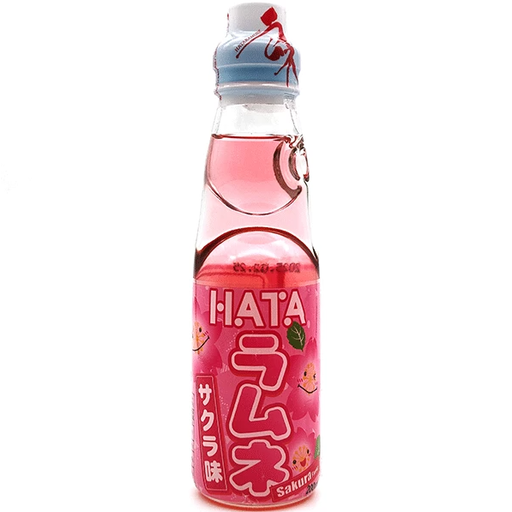
Why this fits the profile: The 200 ml bottle is ideal for trying ramune for the first time without committing to a larger pack. The Sakura design also makes it suitable as a gift or for an anime night.
The product information lists both the 200 ml volume and the ingredients and nutritional values. This allows you to assess the decorative bottle alongside the practical details.
200 ml; Sakura design; 35 kcal and 8.7 g sugar per 100 ml according to the product information.
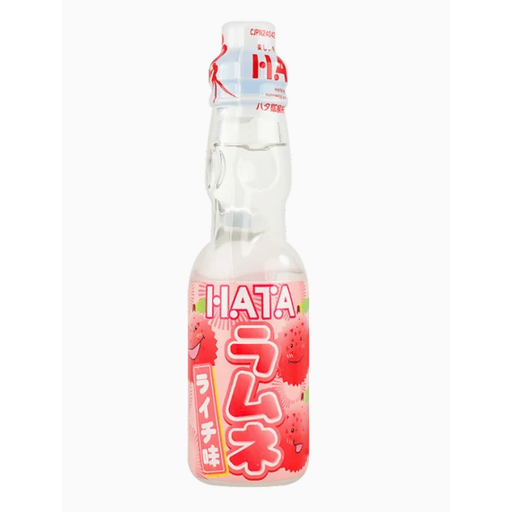
Why this fits the profile: This variant combines the traditional ramune format with a clearly fruity lychee aroma. That makes it suitable for a targeted flavour choice rather than a random mix.
The flavour is specifically described as lychee in the product information. Do check the actual ingredients and colourings on the label.
200 ml; fruity lychee flavour; suitable with hotpot and barbecue according to the product description.
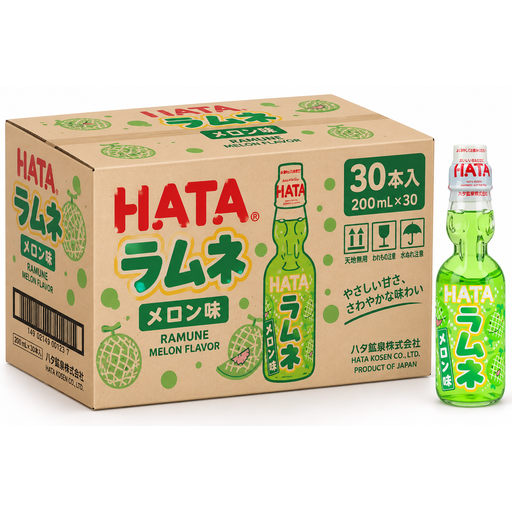
Why this fits the profile: A case of 30 bottles of 200 ml is ideal for catering, an event or an Asian-themed party where multiple guests want to drink the same flavour.
The multipack makes the quantity clear upfront. This prevents you from having to gather individual bottles for a large number of guests.
30 bottles; 200 ml per bottle; melon flavour; 42 kcal and 10.6 g sugar per 100 ml according to the stated nutritional values.
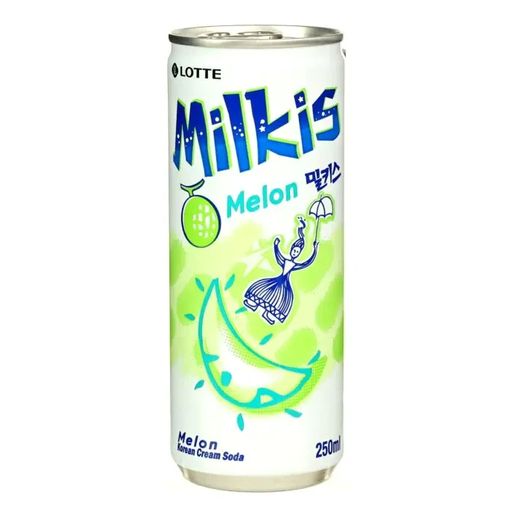
Why this fits the profile: Milkis offers an alternative to classic ramune: a carbonated drink with melon flavour and milk powder, in a 250 ml can.
The product information lists milk and soya as allergens. That helps you avoid accidentally choosing this Korean soft drink when you need to avoid allergens.
250 ml; melon flavour; milk powder and soya are clearly stated in the ingredients information.
We've put together a full, up-to-date list of products that fully meet these strict selection criteria and current European safety regulations.
Ramune is a Japanese carbonated soft drink often sold in a codd-neck bottle with a glass marble as a seal. The drink is available in flavours including original, lychee, melon, strawberry and watermelon. The marble stays inside the bottle and should not be removed.
Place the bottle upright on a stable surface. First remove the outer seal and place the plunger on the opening. Press the marble down and hold the plunger for a few seconds. Open slowly to limit fizz and spillage. Do not shake before opening.
No. Ramune is a Japanese drink style with a distinctive marble bottle. Korean soft drinks, such as Milkis, may contain milk powder, milk or yoghurt flavour and are often sold in cans. When buying soft drinks from Asia, it's a good idea to compare country of origin, flavour, size and allergens per product.
