
Vandaag of morgen in huis

Kwaliteit gegarandeerd

Welkomstaanbiedingen ontgrendelen: GRATIS bezorging | Tot 80% korting | Gratis 30 dagen JoyPlus-proefperiode
Download de app
Japanese soft drinks stand out for their distinctive bottles, sweet fruit flavours and the playful character of Ramune. Yet the range isn’t always easy to compare. Whether you’re looking to buy Japanese soft drinks for home, an anime party or a shop, the packaging, contents and ingredients matter more than just the appearance.
As a Joybuy Product Recommendation Officer, I filter the most important product information so you can weigh marketing claims against verifiable specifications.
Ramune is famous for its glass bottle with a marble seal. That makes opening it fun, but the bottle isn’t automatically larger or better value. Many Ramune bottles contain 200 ml. Always check the net volume and, when buying multiple bottles, calculate the price per litre.
A mango, lychee or strawberry flavour can come from flavourings, fruit juice concentrate or a combination of both. With HATA KOSEN HATASODA Mango, the base according to the product information is carbonated water, sugar, glucose-fructose syrup, citric acid and mango flavouring. That’s a Japanese mango-flavoured soda, not necessarily a drink with a high percentage of mango.
A pack of 24 or 30 bottles is practical for a party or resale, but less suitable if you only want to try a drink now and then. When buying Japanese soft drinks wholesale, also consider storage space, fragile glass bottles and the best-before date on the packaging.
For single servings, sizes like Ramune 200 ml are handy. They’re suitable for a treat, a get-together, an anime night or a picnic. For a shop, catering business or large party, cases of 24 or 30 may make more sense.
Don’t just compare the number of bottles; also consider:
Japanese fizzy drinks often contain sugar or glucose-fructose syrup. The nutritional values vary by flavour and brand. Examples from the available product information:
Always check the label on the packaging you receive. Online product information can change, and the actual packaging may contain additional details.
With a Ramune bottle, you use the included opener to push the glass marble inside. Place the bottle on a stable surface and open it slowly. The pressure can cause the liquid to fizz up. Children should open the bottle under adult supervision. The marble is meant to stay inside the bottle; do not try to remove it.
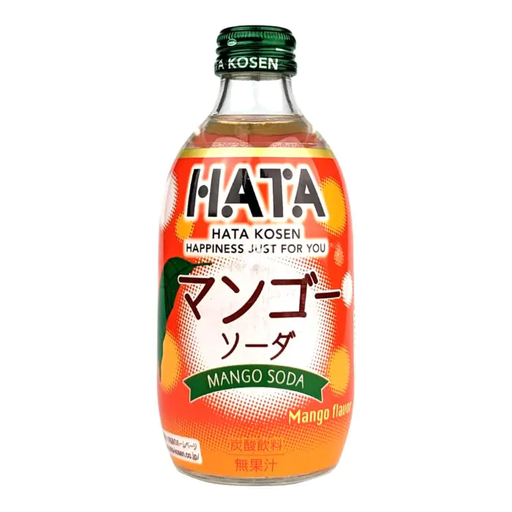
Why this fits the profile: A single 300 ml bottle is straightforward for anyone wanting to try a mango flavour first without committing to a large case.
The volume is clearly stated and the ingredients list shows that the mango flavour comes from flavouring.
300 ml per bottle; according to the product information, 37 kcal and 9.1 g sugars per 100 ml.
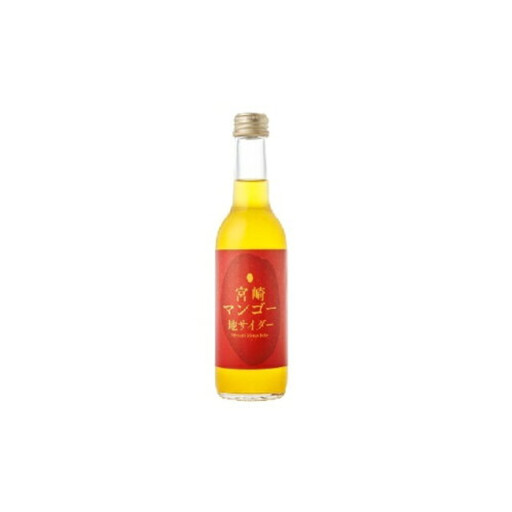
Why this fits the profile: The 245 ml bottle suits a gift set, a small tasting or an occasion where presentation matters.
The product information states 0% alcohol and gives storage instructions. Do check the actual packaging before purchase.
245 ml; mango flavour; ingredients include mango juice, honey and vitamin C.
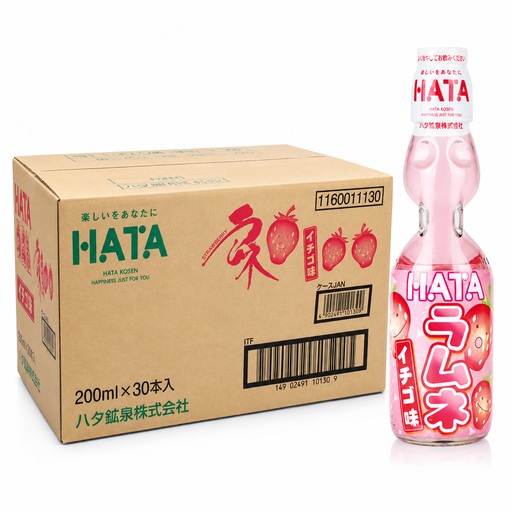
Why this fits the profile: A case of 30 bottles is practical for anime shops, Asian supermarkets, catering businesses and larger parties.
The case contents and size are clear upfront: 30 bottles of 200 ml. This lets you calculate stock and price per bottle.
30 glass Ramune bottles; strawberry flavour; according to the product information, 39 kcal and 9.7 g carbohydrates per 100 ml.
We’ve put together a full, up-to-date list of products that fully meet these strict selection criteria and comply with current European safety regulations.
Store unopened bottles according to the instructions on the label, usually in a cool place away from direct sunlight. Glass bottles can break if dropped or exposed to large temperature changes. Place Ramune on a stable surface before opening and serve the drink chilled.
A bottle with nata de coco, such as KATO Mango Juice with Nata de Coco 320 ml × 24, has a different texture from regular Japanese soda. The pieces of coconut jelly make this drink suitable for fans of soft drinks with nata de coco, but shake or move the bottle carefully and follow the storage instructions on the packaging.
Ramune usually refers to the distinctive bottle with a glass marble and a sweet, carbonated flavour. Japanese soda is a broader term for Japanese fizzy drinks, including bottles without a marble, such as HATASODA.
That varies by brand and flavour. In the available product information, this is around 8.5 to 10 grams of sugar per 100 ml for various Ramune drinks. Always check the current nutrition label, especially when buying multiple bottles.
First, choose between individual bottles and a case. Then calculate the number of guests, the volume per bottle and the available fridge space. With glass bottles, bear in mind the risk of breakage and let children open Ramune under supervision.
