
Vandaag of morgen in huis

Kwaliteit gegarandeerd

Welkomstaanbiedingen ontgrendelen: GRATIS bezorging | Tot 80% korting | Gratis 30 dagen JoyPlus-proefperiode
Download de app
Buying Japanese snacks in the UK might seem straightforward – until you have to choose between mochi, Japanese biscuits, cake, nori and chilled onigiri. Packaging often features appealing images and words like “traditional” or “premium”, but these don’t always tell you about portion size, storage or ingredients.
As a Joybuy Product Recommendation Officer, I filter product information by verifiable points. This helps you see more quickly which snack suits your needs: a small treat with coffee, a Japanese meal at home, or a ready-to-eat bite on the go.
A 500 g bag might look attractively priced, but it can be inconvenient if you need to use the product quickly after opening. This is especially true for chilled and frozen specialities. So don’t just look at the total price – also consider:
A pack of 40 to 100 g is often more practical for a lunchbox, office or student room. Larger packs are better suited to families or those who regularly prepare sushi and onigiri.
Check the country of origin and the product description. For example, the Yuki & Love Dorayaki is described as a Japanese treat, but its country of origin is Taiwan. The Delief Sushi Nori comes from South Korea. That doesn’t make a product any less suitable, but it does help you set the right expectations for your purchase.
Also, terms like “traditional”, “natural” or “premium” shouldn’t be taken as proof of quality. Instead, look at the ingredients list, weight, preparation method and storage conditions.
Onigiri and fish products can be delivered chilled or frozen. According to the product information, the Freshasia Teriyaki Chicken Onigiri must be stored at 0–4 °C and eaten within 24 hours of opening. Other onigiri, such as the tuna, chicken or salmon varieties from Bamboo Cuisine, are frozen products.
So before you order, check:
Japanese sweets often contain wheat, milk, egg, soya or sesame. The Meito Pukupukutai Chocolate Wafer lists wheat flour and milk powder among its ingredients. The Furuta KAMAYAKI Milk Cookies contain wheat, milk and soya. Soya also frequently appears in mochi and dorayaki.
Always read the current packaging, especially if you have an allergy or intolerance. Product information can change, and the packaging is the final authority.
This product category includes different types of snacks:
According to the instructions provided, a frozen product must not be refrozen once it has been thawed. Store it at the temperature stated on the packaging and use it within the specified period after thawing.
Compare nutritional values per 100 g, but also look at the actual pack weight. A small portion of cake or biscuits might be 40 to 55 g, while an onigiri usually weighs around 100 g.
For sushi, hand rolls and onigiri, Japanese nori and sushi nori are handy basic ingredients. Pay attention to the number of sheets and the total quantity. Obento Yaki Nori contains 10 roasted sheets weighing 25 g and, according to the product description, is intended for sushi, onigiri and rice dishes.
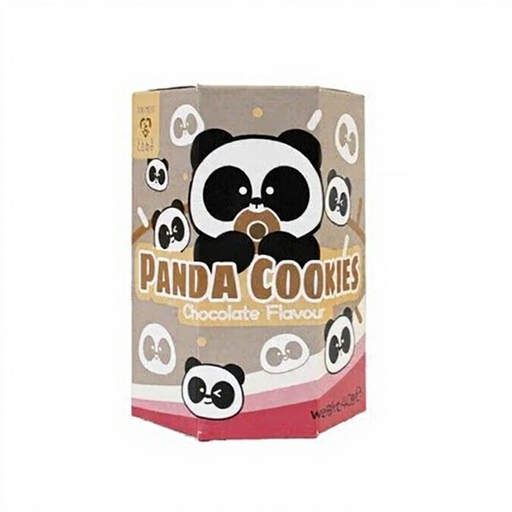
Why This Fits Their Persona: The small pack is ideal for trying Japanese biscuits for the first time or taking them to school, work or a student house.
You don’t buy a large stock before you know whether the chocolate flavour and crunchy texture suit you.
40 g pack; according to the product information, suitable for on the go. Contains wheat, milk, egg and soya.
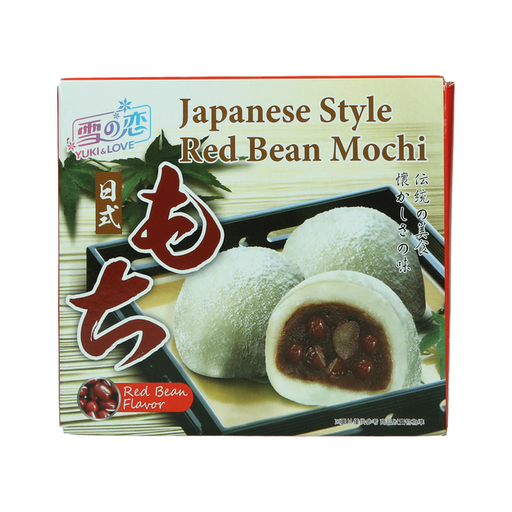
Why This Fits Their Persona: This mochi is perfect for anyone looking for a soft, chewy rice dough texture and sweet red bean filling for tea or dessert.
The ingredients list states 27% red bean paste. This gives you a clearer idea of what the filling contains, rather than relying solely on the packaging.
140 g pack; red bean filling; soya listed as an allergen. Store according to the label.

Why This Fits Their Persona: A ready-to-eat rice ball for lunch, a quick snack or a light meal without any cooking.
The product information clearly states 15% chicken, a weight of 100 g and a storage temperature of 0–4 °C.
Ready to eat; 163 kcal per 100 g according to the product information; contains soya, wheat, celery and mustard.
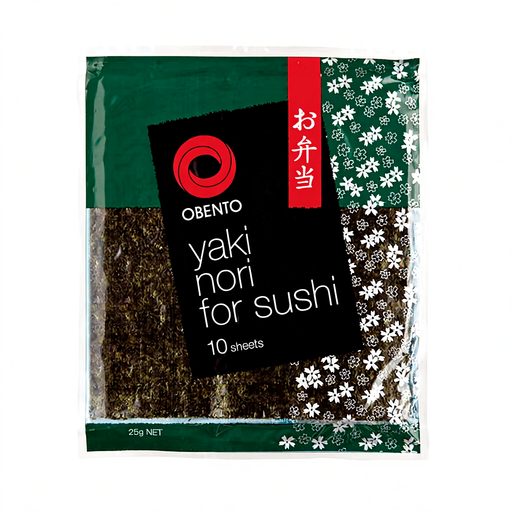
Why This Fits Their Persona: Ideal for households that regularly make sushi, hand rolls, rice bowls or Japanese onigiri.
The number of sheets and the total weight are stated. This lets you compare the quantity directly with other packs of sushi nori.
10 roasted sheets; suitable for sushi and onigiri; store in a dry place and use promptly after opening.
For a sweet selection, you can combine Japanese dorayaki, mochi and cake. According to the product information, the Yuki & Love Dorayaki contains 32% red bean filling. The Sakuraseika Amaou Strawberry Castella comes as three individually wrapped pieces, while the Atom Japanese Banana Baum Cake has a portion size of 80 g.
Prefer something savoury? Then narutomaki, kanikama and ebi fry are suitable as part of ramen, sushi or a hot meal. Kibun Narutomaki is a frozen Japanese fish cake weighing 160 g. Kohyo Kanikama is a 500 g frozen pack of surimi. BML Japanese Ebi Fry is supplied as an 800 g frozen product and contains crustaceans and wheat.
Before you check out, use this quick checklist:
Browse a current selection of Japanese celebration snacks and compare sweet, savoury, chilled and frozen products based on product information and when you plan to eat them.
Individually wrapped Japanese biscuits, wafers, mochi and shelf-stable cake are usually practical for eating on the move. For onigiri, you need to follow the storage instructions. A chilled or frozen onigiri is not the same as a shelf-stable snack.
Always follow the label. According to the product information, Yuki & Love Azuki Bean Mochi should be stored in a cool, dry place. Dorayaki may contain oxygen absorbers or desiccants in the packaging. These are not edible and must be removed after opening.
Yes, but store nori in a dry, airtight container away from direct sunlight. Moisture will make roasted sheets go soft more quickly. Ideally, use the pack within the stated period and check the product before use.
