
Vandaag of morgen in huis

Kwaliteit gegarandeerd

Welkomstaanbiedingen ontgrendelen: GRATIS bezorging | Tot 80% korting | Gratis 30 dagen JoyPlus-proefperiode
Download de app
Japanese snacks are popular in the Netherlands, but the packaging does not always tell the full story. A product may use Japanese flavours while being made in another country. Portion size, allergens and salt content may also be less prominent on the front of the pack.
If you buy without comparing, you are most likely to encounter these three pitfalls:
With the right checks, it is easier to find Japanese snacks that suit your taste, budget and occasion.
First, check the country of origin and the responsible company. Japanese-style does not always mean that the product comes from Japan. For example, China is listed as the country of origin for Franzzi Matcha Cookies, while the product information states that Hikari Miso Restaurant Style Ramen is made in Japan.
Next, check the ingredients list. Japanese biscuits often contain wheat, milk, soya and egg. Japanese mochi may list soya, milk, nuts or cereals containing gluten as allergens or possible sources of cross-contamination. If you have an allergy, always check the packaging, even if you have bought the product before.
Pay attention to the percentage of any notable ingredients. According to the product specification, Orion Mushroom-shaped Chocolate Cookies contain 3.8% cocoa and 2.5% red bean powder. This provides more context than simply relying on the flavour name on the front of the pack.
Compare snacks using the same unit of measurement. A small portion may contain a relatively high amount of sugar, fat or salt, even when the overall pack is light.
For instant ramen, salt is particularly useful for comparison. Ajinomoto Japanese Miso Ramen Cup lists 4.6 grams of salt per 66 grams. Nissin Soba Classic Cup contains 2 grams of salt per 90 grams. These are different products and portion sizes, so always check the complete nutrition table.
For sweet snacks, it helps to look at the sugar content per 100 grams. Franzzi Cookie Mini Balls with matcha flavour list 40 grams of sugar per 100 grams. This makes them suitable as a small treat, but less practical if you are looking for a large supply to hand out every day.
Individually wrapped snacks are convenient when you are out and about. Seiki Ramune Mochi consists of individually wrapped pieces. Various mochi and biscuit products are also packed as individual pieces or in small bags, making them easier to share.
Pay attention to the storage instructions for mochi. Some varieties need to be refrigerated after opening and eaten within a few days. Other products should be stored in a cool, dry place. Also check whether the pack contains a sachet of desiccant; it is not edible and should be removed immediately.
Preparation is important for Japanese noodles. Yakisoba is not eaten as a soup: add hot water, leave the noodles to stand, drain them and mix them with the sauce. A cup of ramen is therefore not always the same as instant ramen with broth.
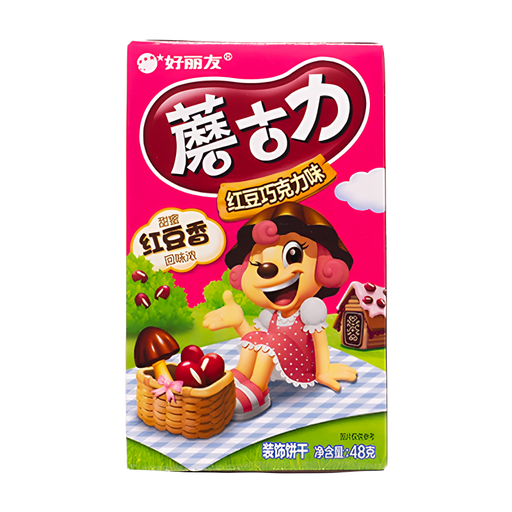
Why it suits this profile: A small pack for trying a new combination of chocolate and red bean without immediately buying a large supply.
The product information lists the amounts of cocoa and red bean powder, as well as allergens such as wheat, milk, soya and sulphites.
48 grams, ready to eat and individually wrapped according to the product description.
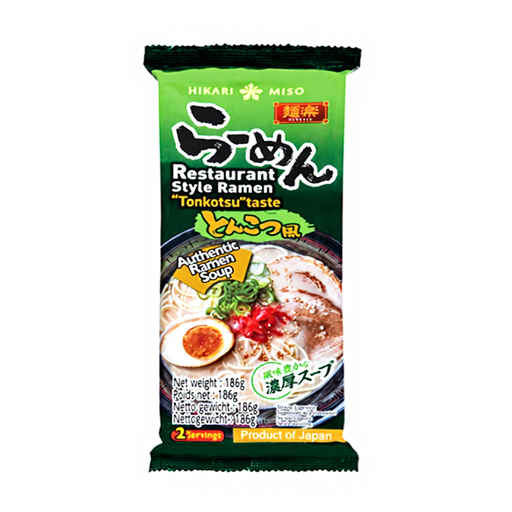
Why it suits this profile: Ideal for anyone looking for a ramen meal with miso and tonkotsu flavour who values convenient preparation.
The product page lists the country of origin, allergens and preparation information rather than making a flavour claim alone.
According to the product information, made in Japan with wheat noodles, miso and pork extract; ready in just a few minutes.
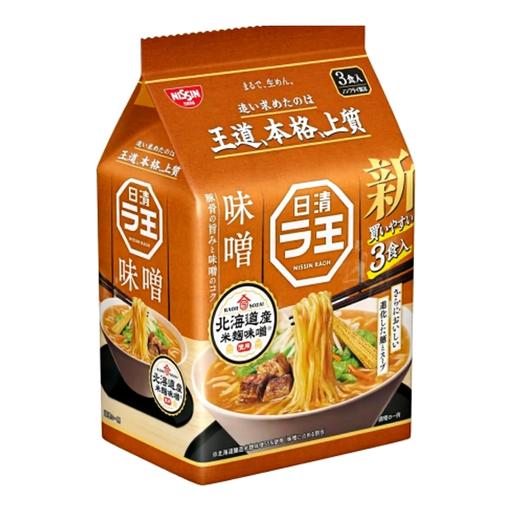
Why it suits this profile: A multipack for Japanese noodle enthusiasts who want several portions ready to enjoy.
The pack contains three servings, and the product information lists allergens such as wheat, egg, milk, sesame, soya, chicken and pork.
Origin: Japan, according to the product description, with a 3-serving pack for repeated use.
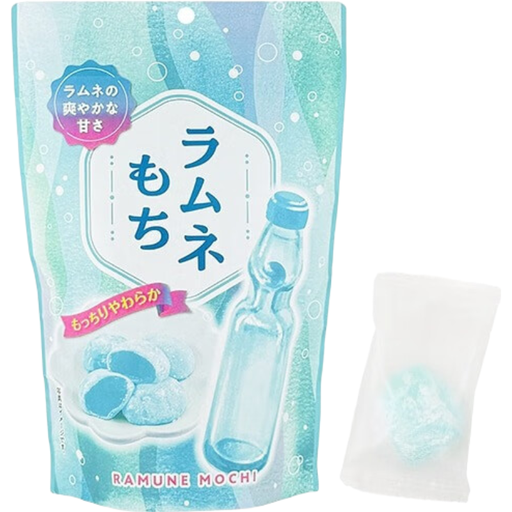
Why it suits this profile: A distinctive choice for a Japanese treat with a soft, chewy texture and a refreshing, sweet ramune flavour.
The pieces are individually wrapped, making sharing and storage more manageable. The allergen information lists soya and possible traces of wheat and milk.
130 grams, individually wrapped and imported from Japan according to the product description.
We have put together a complete, up-to-date list of products that fully meet these strict selection criteria and the applicable European safety regulations.
Start with a small pack of Japanese biscuits, rice snacks or individually wrapped mochi. This lets you try the flavour and texture without immediately buying several large packs. A sweet option with matcha, red bean or milk is more approachable than a strongly spiced seafood snack.
Store mochi according to the label. Many varieties keep well unopened in a cool, dry place, but need to be refrigerated or eaten quickly after opening. Always check the best-before date and do not use a product if the packaging is damaged.
Instant ramen is a broad term for quick-to-prepare noodles, usually with a soup base. Yakisoba and soba cups are often drained after soaking and mixed with sauce. So read the preparation instructions before adding hot water. Also check the salt content and allergens such as wheat and soya.
