
Vandaag of morgen in huis

Kwaliteit gegarandeerd

Welkomstaanbiedingen ontgrendelen: GRATIS bezorging | Tot 80% korting | Gratis 30 dagen JoyPlus-proefperiode
Download de app
Japanese snacks are popular with shoppers looking for something a little different from the usual biscuits or chocolate. However, a pretty package doesn’t always guarantee the right purchase. When it comes to mochi, Japanese desserts and cake products, misunderstandings about origin, shelf life and portion size are common.
So before you order, watch out for these three pitfalls:
Mochi is usually made with glutinous rice flour, but the filling can vary widely. Think red beans, mango, coconut, lychee, milk or cream. Products may also contain soya, milk, egg, wheat, sesame or nuts.
For example:
Always check the current packaging, especially if you have an allergy or food intolerance. Don’t assume a product is “gluten-free” just from the product name alone.
Texture plays a big part in which Japanese snack suits you. Mochi is soft and chewy, while castella cake is light and moist. Baumkuchen is recognisable by its thin layers and a slightly cake-like bite. Dorayaki consists of two soft cake halves with a sweet red bean filling.
Also pay attention to net weight and packaging:
Some Japanese cake products need to be kept refrigerated. The Sakuraseika Amaou Strawberry Castella and Sakuraseika Hokkaido Milk Cake state that they must be kept chilled. Other snacks, such as Atom Japanese Banana Baum Cake, should be stored in a cool, dry place away from sunlight, heat and moisture.
Keep the following points in mind:
Nutritional values vary from product to product. Use the table on the product page and the label as a guide, rather than making general assumptions about Japanese sweets or Asian snacks.
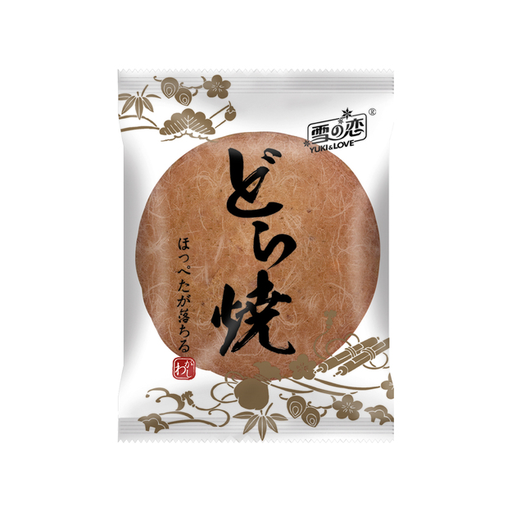
Why this fits the profile: A compact portion for anyone wanting to discover Japanese sweets without committing to a large pack. The soft cake and red bean filling offer a familiar introduction to dorayaki.
The weight and origin are clearly stated: this product is 55 g and has Taiwan as its country of origin. So you know exactly what you’re buying, rather than relying solely on the Japanese product name.
55 g; two soft cake halves; 32% red bean filling; great with tea or coffee.
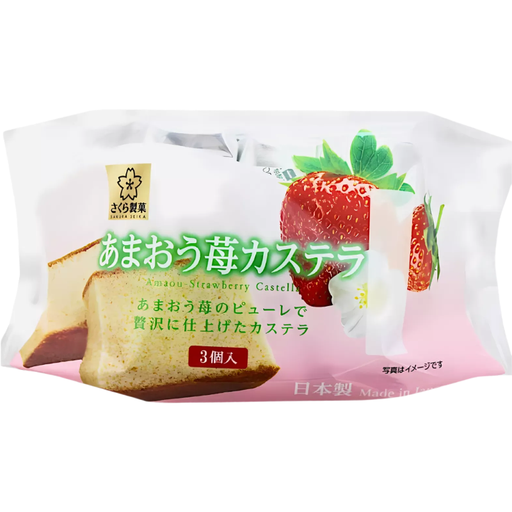
Why this fits the profile: This Japanese cake combines a soft, moist texture with a strawberry flavour. Three individually wrapped pieces make it ideal for a dessert moment or as a gift.
The product information mentions not only the flavour, but also the storage: keep refrigerated and use within the stated period after opening.
Three portions; individually wrapped; Amaou strawberry purée listed in the ingredients; contains egg and wheat.
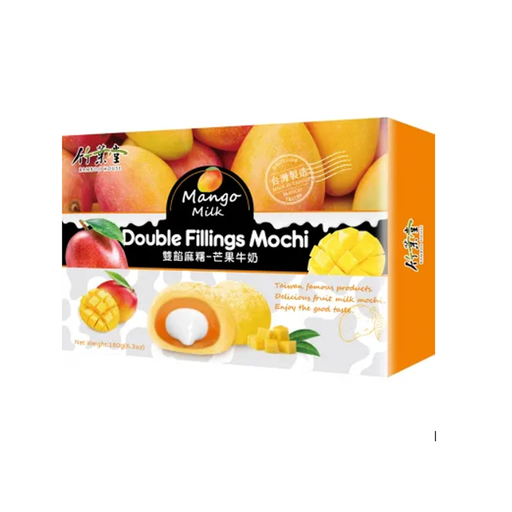
Why this fits the profile: For fans of fruity mochi who want multiple pieces to share or store. The double filling combines mango with a milky filling.
The description makes the texture, fillings, portion size and storage method clear. After opening, the packaging must be sealed airtight to prevent the rice layer from drying out.
180 g; individually wrapped pieces; mango and milky filling; made in Taiwan; contains egg and milk.
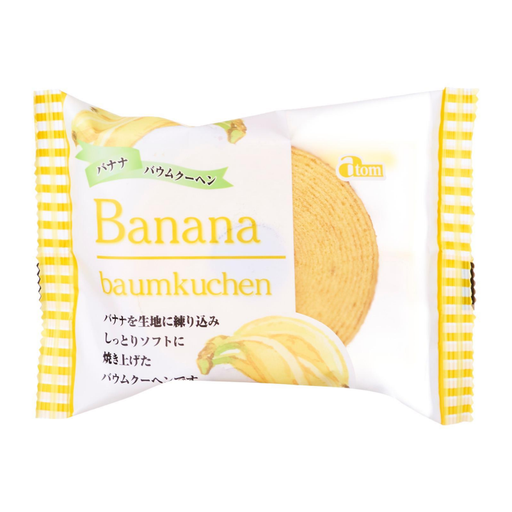
Why this fits the profile: An individually wrapped Japanese baumkuchen with soft layers and banana flavour. Handy for a break, dessert or coffee moment.
The portion is clearly defined at 80 g and the product is individually wrapped. The storage instructions prevent moisture, heat or sunlight from affecting the cake.
80 g; soft layers; banana flavour; individually wrapped; according to the product description, free from artificial colours and preservatives.
We’ve put together a full, up-to-date list of products that fully meet these strict selection criteria and comply with current European safety regulations.
The right serving method depends on the type of product. Shelf-stable mochi and cake often taste best at room temperature. A product with a soft rice layer can become stickier in warm conditions. So store it according to the label and don’t leave the packaging in a hot car or in direct sunlight for long.
Mochi ice cream, such as Q-Brand Mico Mochi Mango Flavor, must be kept frozen. This product is not the same as regular mango mochi from the cupboard. So check before you buy that you have enough freezer space.
For a gift, individually wrapped castella, baumkuchen or cake are handy. For a film night, the office or visitors, larger packs of mochi or KitKat Strawberry Short Cake are more practical. Nestlé KitKat Strawberry Short Cake contains nine pieces with strawberry flavour, white chocolate and freeze-dried strawberry pieces. Store below 28 °C, in a dry place away from direct sunlight.
Start with a soft cake, dorayaki or a mild fruity mochi. Dorayaki has a cake-like texture with a red bean filling. If you prefer chocolate or fruit, look at baumkuchen, castella or mango mochi.
This varies by product and packaging. Always check the date on the label. Chilled cake must stay refrigerated and be eaten within the stated period after opening. Store dry-packed snacks in a cool, dry place away from sunlight. With mochi, the texture can change more quickly after opening.
Not automatically. Many products contain wheat, egg, milk or soya. Some also contain sesame or may contain traces of nuts. So check the full allergen information on the packaging before you order or serve.
