
Vandaag of morgen in huis

Kwaliteit gegarandeerd

Welkomstaanbiedingen ontgrendelen: GRATIS bezorging | Tot 80% korting | Gratis 30 dagen JoyPlus-proefperiode
Download de app
Japanese snacks are popular with lovers of sweet treats, families, students and anyone looking for something different from the standard biscuits you find in the supermarket. From crunchy Japanese biscuits and Pocky to soft dorayaki and baumkuchen, the range is vast.
Yet comparing them isn’t always straightforward. Product photos often focus on the packaging, while flavour, allergens, origin and portion size are just as important. With this guide, you’ll discover what to look out for before you buy Japanese snacks online.
Japanese sweets and biscuits are often sold in colourful packaging with cute characters. That makes them appealing for children and as gifts, but it says nothing about the quantity, ingredients or nutritional values. Always check the net weight. A pack of 40 or 50 grams works well as a small portion, while a 90-gram bag makes more sense for sharing.
A flavour name doesn’t always refer to a large proportion of the stated ingredient. With Hello Panda strawberry sandwich biscuits, for example, the product information shows 0.4% strawberry powder. In other products, a flavour may come mainly from aromas. If you’re after a distinct fruit taste, it’s worth checking the ingredients list rather than just the front of the pack.
Many Japanese biscuits contain wheat, milk, soya or egg. Some products may also contain traces of peanuts, nuts or sesame. What’s more, not every snack in the Asian snacks category comes from Japan. The Yuki & Love dorayaki, for instance, lists Taiwan as its country of origin, while the Sakura Seika Castella is described as a Japanese Nagasaki-style cake. Always double-check the label, as the packaging may contain more or different information.
First, think about when you want to enjoy the snack:
Read the full product information before you buy. Pay particular attention to:
A product with a matcha or strawberry flavour isn’t automatically suitable for a particular diet. The Franzzi Matcha Mousse Chocolate Flavor Cookies, for example, come from China and, according to the product information, contain wheat, milk and soya. Here, the term matcha mainly describes the flavour combination, not the origin.
Most Japanese snacks should be stored unopened in a cool, dry place, away from sunlight and heat. After opening, a well-sealed pack helps keep biscuits crunchy and soft cakes fresher for longer. Check the date on the packaging, especially if you’re buying several packs at once.
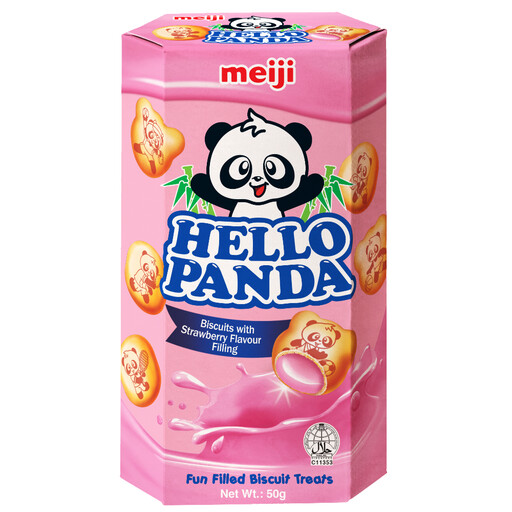
Why this fits the profile: The 50-gram pack is a manageable size if you’re trying Japanese biscuits for the first time. The combination of a crunchy biscuit and strawberry flavour is familiar without committing to a large pack straight away.
The net weight and allergens are clearly stated. What’s more, the strawberry flavour is described as a filling, so you know what to expect in terms of texture.
50g pack, panda shape and a soft strawberry-flavoured filling. According to the product information, Japan is the country of origin.
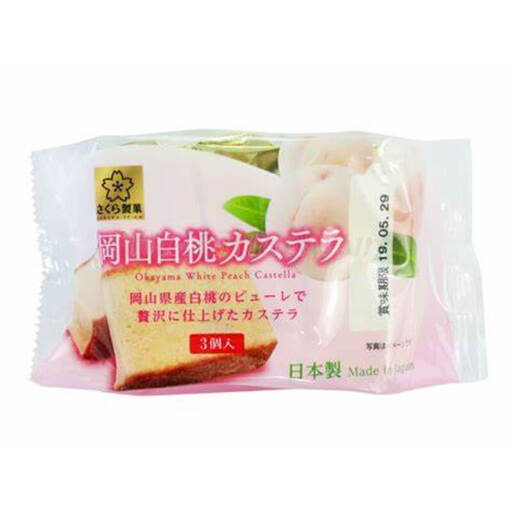
Why this fits the profile: This soft cake is intended as a dessert or snack with tea and coffee. The larger 130-gram pack suits a relaxed eating moment rather than a quick bite on the go.
The description explicitly mentions a soft texture and white peach flavour. This makes the product easier to place than a snack where only the front suggests a flavour.
130g pack, soft castella texture and white peach as the stated flavour. The product information lists egg, wheat, milk and soya as allergens.

Why this fits the profile: The individual biscuit sticks are easy to share during study, work, travel or a film night. The 45g pack keeps the portion compact.
The product information lists the flavour, portion size and allergens separately. This makes it easier to compare with other Pocky varieties.
Handy 45g pack, crunchy sticks and strawberry flavour. The ingredients list includes wheat, milk and soya, among others.
We’ve put together a full, up-to-date list of products that fully meet these strict selection criteria and comply with current European safety regulations.
For chocolate lovers, Meito Pukupukutai Chocolate Wafer and Hello Panda Double Chocolate are logical options. If you’re after a soft cake, take a look at Funwari Kaoru Baumkuchen Cake Choco or the plain version. For a traditional Japanese sweet, dorayaki with red bean filling offers a different texture from biscuits; check the country of origin and the presence of wheat, egg and soya.
Fans of fresh flavours can go for FURUTA Lemon Tea Cookie, NIKKO Strawberry Cookies or a strawberry variety of Pocky. Matcha biscuits are also available, but check whether the combination is mainly green tea, chocolate or a mousse filling.
A mix of small packs usually works well. Combine, for example, Pocky, Hello Panda, a wafer and a soft cake. That way, the recipient gets different textures and flavours. Check the best-before date and allergens beforehand, especially if you’re not eating the snacks yourself.
Store unopened packs in a cool, dry place, out of direct sunlight. After opening, seal the pack tightly. Crunchy biscuits can lose their texture from moisture; soft cakes stay better when stored sealed. Always follow the instructions on the label.
No. Some products are Japanese brands or inspired by Japanese flavours, but are produced in another country. So check the stated country of origin. The Yuki & Love dorayaki, for example, lists Taiwan, while several other products in the selection have Japan as their origin.
