
Vandaag of morgen in huis

Kwaliteit gegarandeerd

Welkomstaanbiedingen ontgrendelen: GRATIS bezorging | Tot 80% korting | Gratis 30 dagen JoyPlus-proefperiode
Download de app
Buying Japanese snacks sounds simple, until you have to choose from dozens of types of biscuits, wafers and sweets. A striking packet tells you little about the taste, portion size or suitability for a lunchbox. What’s more, not all products in an Asian snack range actually come from Japan. Some snacks are produced in China, Thailand or other countries.
That’s why the Joybuy Product Recommendation Officer focuses on verifiable information: ingredients, allergens, weight, packaging, nutritional values and storage advice. This way, you can compare Japanese biscuits and other Asian snacks on practical points rather than just marketing.
Pocky, Hello Panda and other Japanese treats are often sold in compact packaging. That’s handy for on the go, but the weight can vary significantly. A 40g or 45g packet is quite different from a family-size bag of nearly 200g. Always check the net weight and, for multipacks, the number of individual portions.
Words like “creamy”, “premium”, “matcha” or “cheesecake” describe the intended flavour direction, but not how sweet or intense the snack actually is. According to Glico’s product description, Pocky Cookies & Cream combines crunchy biscuit sticks with a creamy cookies-and-cream flavour. That’s a brand description, not an objective guarantee for every taste preference.
If in doubt, look at the ingredients list. There you can see, for example, whether cocoa, milk powder, fruit powder or nuts are actually included and where they appear in the list.
Japanese biscuits often contain wheat, milk and soya. Some varieties also contain egg, peanuts or nuts, or may contain traces of them. The information can vary by flavour. Always read the current packaging before consuming, especially if you have an allergy or intolerance.
Also pay attention to the country of origin. Hello Panda Strawberry states Japan as the country of origin, while some other products in the range come from China or Thailand. “Asian snacks” is therefore a broader category than just Japanese snacks.
First, check the allergens that are relevant to you or your family. Various Pocky varieties list wheat, milk and soya. Hello Panda Strawberry additionally states that the product may contain egg, peanuts and nuts. The allergen information on the packaging is what counts; product information online can change.
Also look out for flavourings, colourings and sweeteners. A product with a strawberry flavour, for example, doesn’t always contain much strawberry. For Hello Panda Strawberry, the supplied product information states 0.4% strawberry powder.
For school, the office or a bike ride, individually wrapped portions are practical. They’re easier to share and handy to take with you. For a party, a multipack or bag with different flavours might be more suitable.
Examples:
Compare nutritional values per 100g, not just per packet. This allows you to compare different Japanese biscuits, Japanese cookies and wafers more fairly. For example, Glico Pocky Cookies & Cream contains 500 kcal and 32g of sugar per 100g according to the product information. Hello Panda Strawberry states 533 kcal and 29.4g of sugar per 100g.
Store biscuits and wafers according to the label: cool, dry and away from direct sunlight. Seal an opened packet tightly to keep them crunchier for longer. Also check the best-before date on the actual packaging.
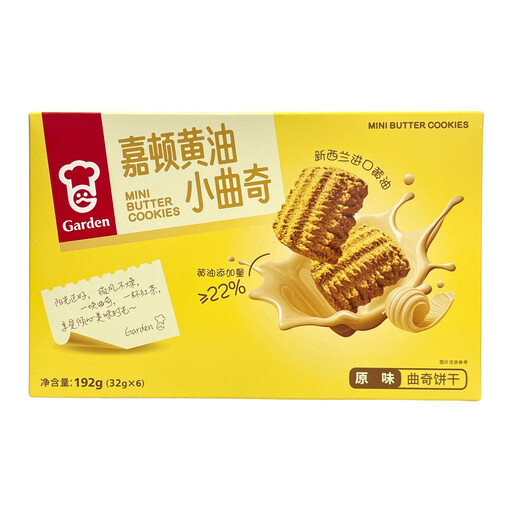
Why this fits the profile: The 192g bag contains individual inner packets, making it suitable for sharing or taking on the go.
The weight and portion distribution are clearly stated. The simple original flavour makes comparison easier than with complex flavour claims.
192g, individual packets and a short ingredients list with wheat flour, sugar, salt and raising agent.
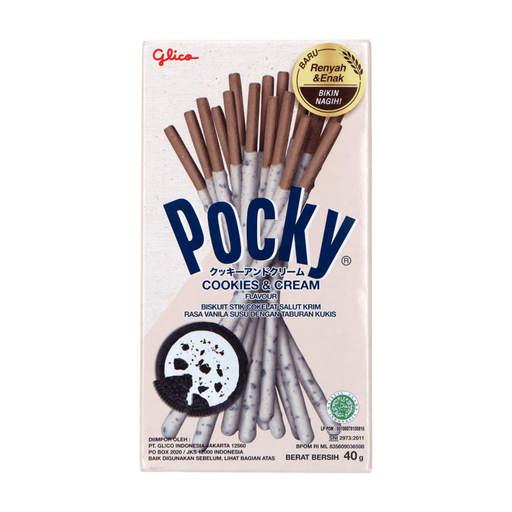
Why this fits the profile: The compact portion combines biscuit sticks with a cookies-and-cream flavour and suits a conscious choice for a well-known Japanese snack type.
The product page lists the weight, flavour, ingredients and allergens. This means you don’t have to rely solely on the packaging.
40g, crunchy biscuit sticks and, according to the product description, no artificial colourings. Always check the current label.
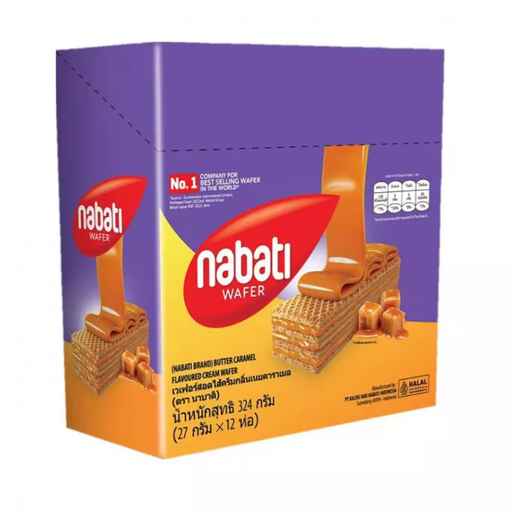
Why this fits the profile: The box contains 12 individually wrapped wafers of 27g each. That works well for families, meetings, parties or a store cupboard.
The portions are pre-divided, so a large packet doesn’t automatically have to be opened all at once.
324g total, 12 portions and multiple crunchy wafer layers with a butter-caramel flavour. Contains wheat, milk and soya.
We’ve put together a full, up-to-date list of products that fully meet these strict selection criteria and comply with current European safety regulations.
Small packets of 40 to 50g, such as Pocky or Hello Panda, fit easily into a bag or lunchbox. Individual portions also prevent the rest of the packet from going soft quickly.
First check allergens such as wheat, milk, soya, egg, peanuts and nuts. Then look at the portion size and sugar content per 100g. A fun shape or colourful packet says nothing about the ingredients.
Store unopened snacks in a cool, dry place, away from direct sunlight and heat. Seal opened packets airtight. Always refer to the current label for the exact best-before date and storage advice.
